
Last updated November 25, 2026
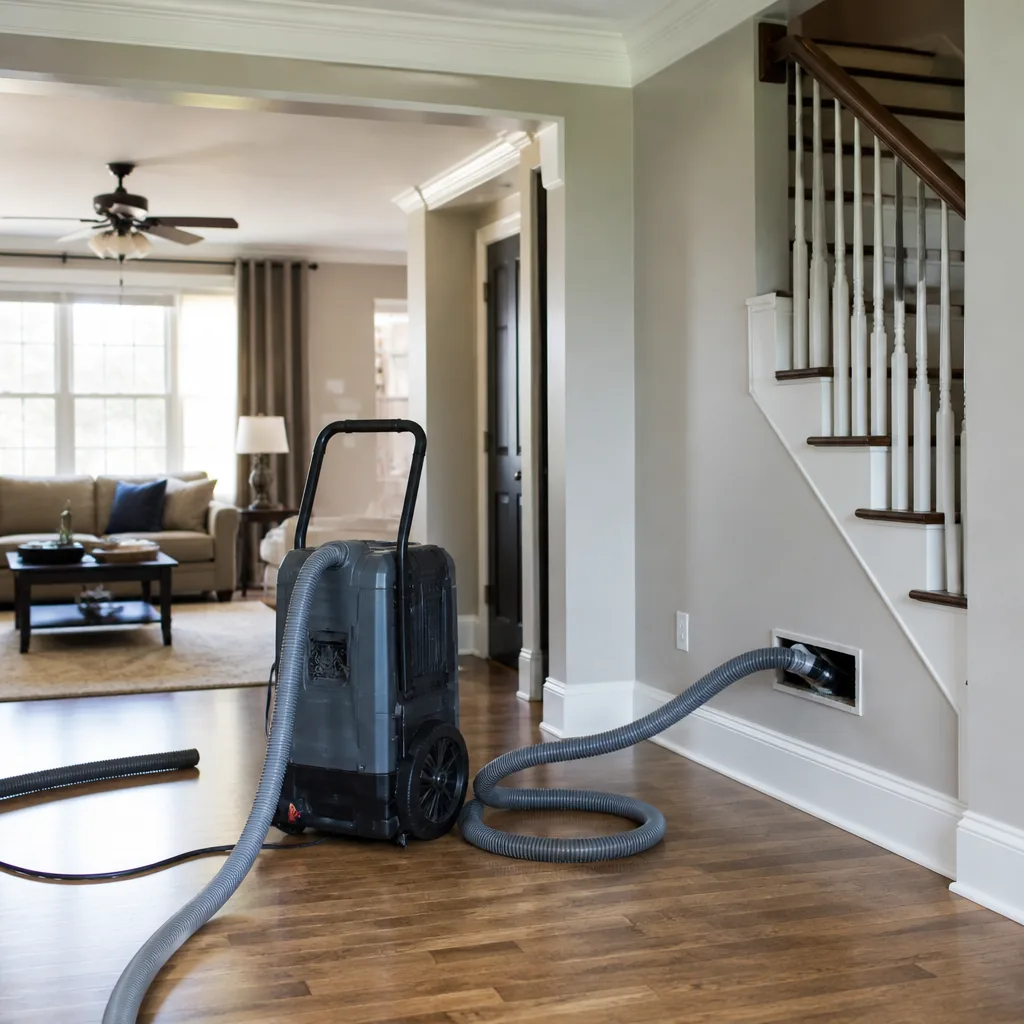 Whole-home duct cleaning
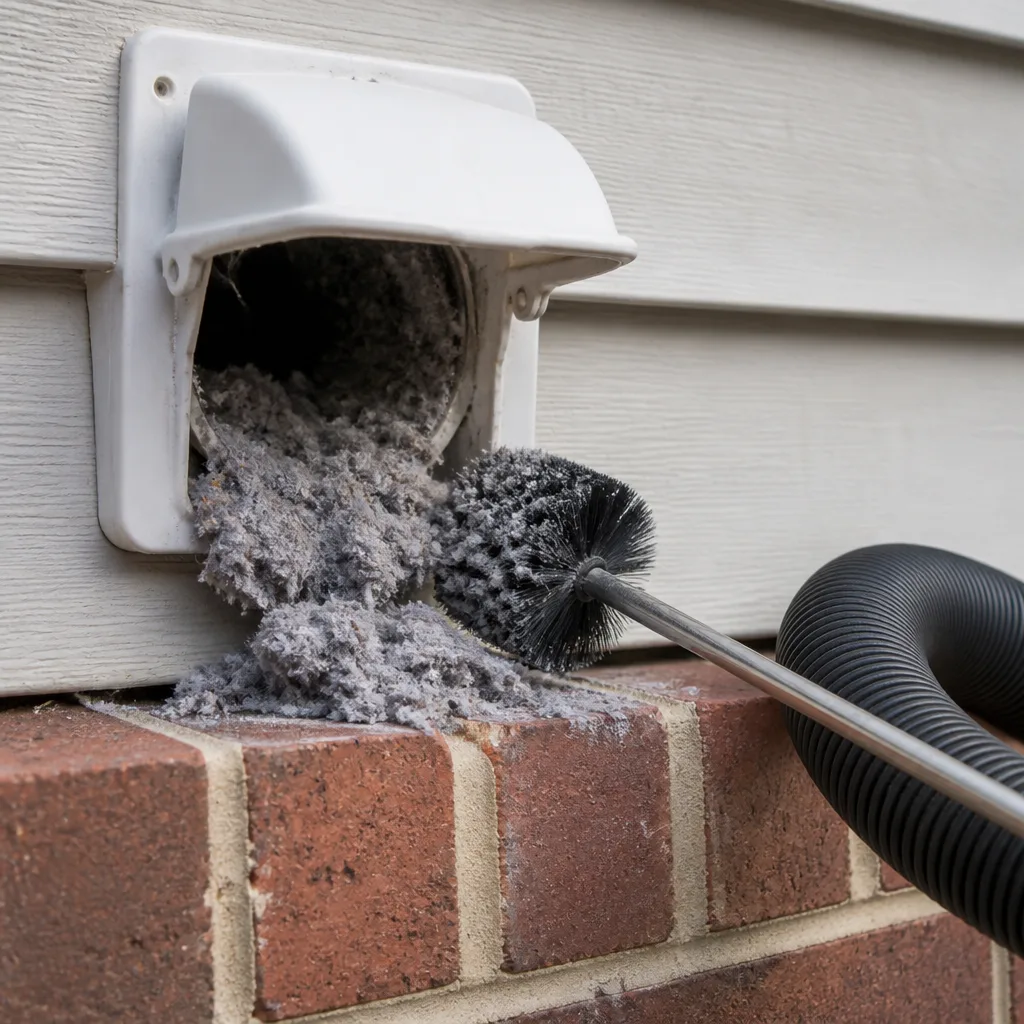 Dryer vent cleaning
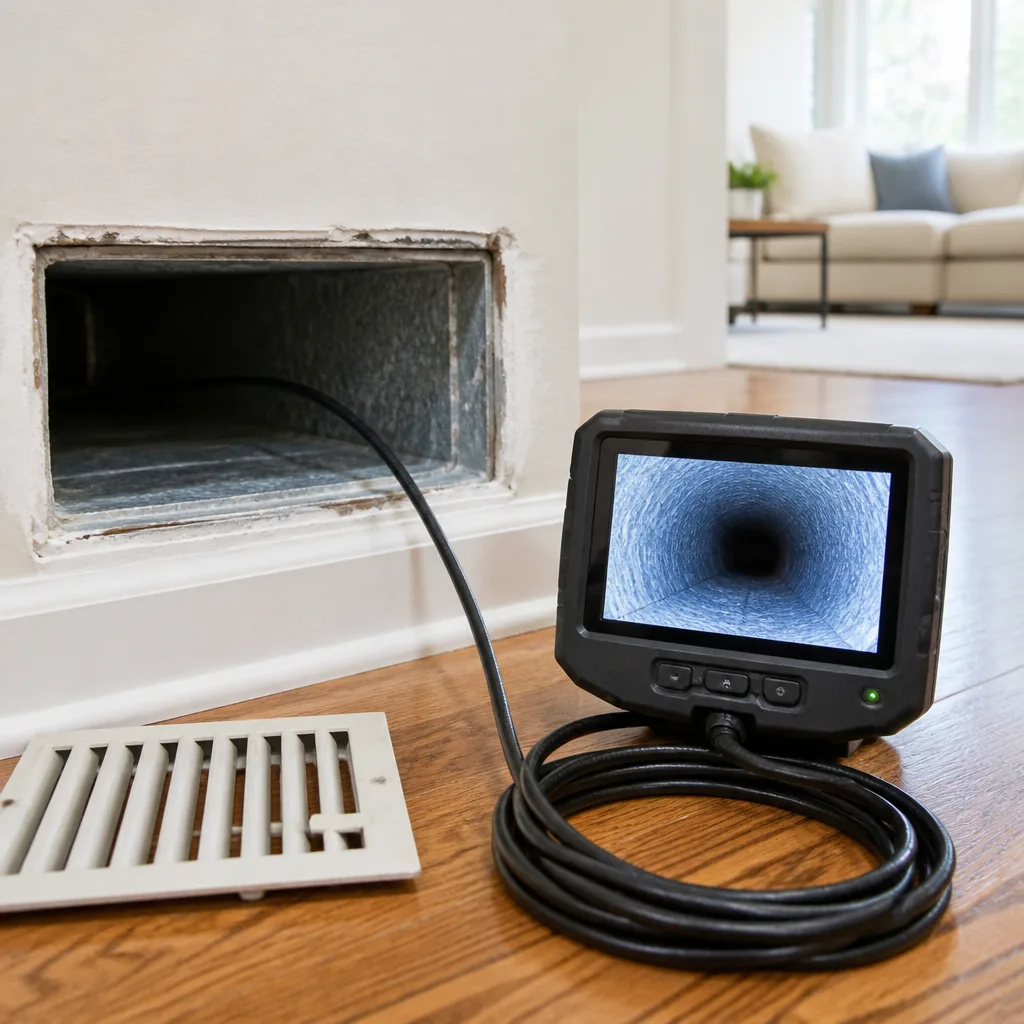 Camera inspection
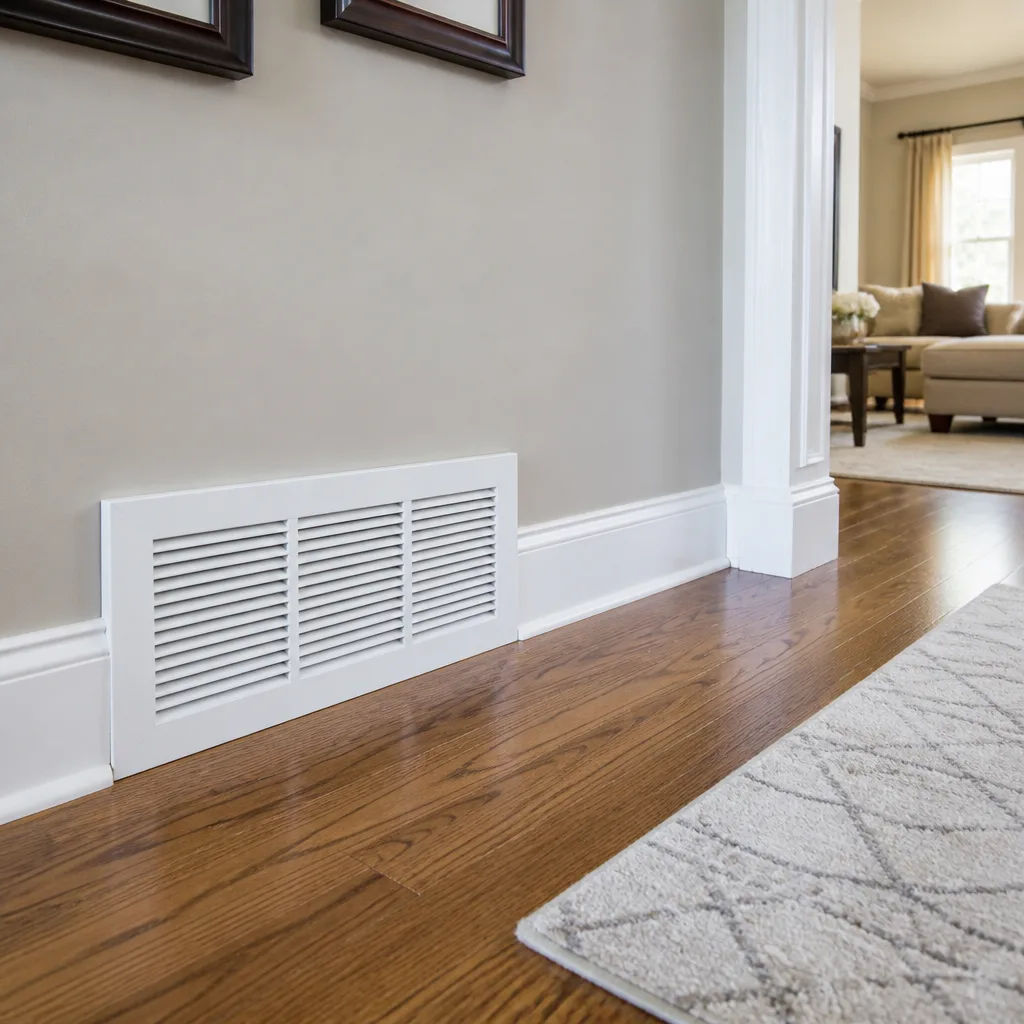 Sanitizing & deodorizing
Whole-system duct and dryer vent check with before-and-after photos - you see exactly what came out of your vents
That "$99 whole-house special" is a bait ad - the real number appears once they are in your hallway, or the "clean" is a shop-vac at the register. We photograph the inside of your ducts before and after instead.
Air Duct Cleaning Warning Signs: A Castle Rock Homeowner’s Reference Guide
Most guides to duct problems tell you to look for dusty registers and odd smells. That advice is late to the party. By the time dust is visible on a vent face or a smell has settled into the hallway, contamination has usually been building inside the system for a long stretch. The signals that matter in Castle Rock homes show up earlier: a room that never heats like the rest of the house, a humidity gap between the upstairs and downstairs, a Xcel Energy bill that climbs through the winter while the thermostat setting stays the same. This guide walks through what those patterns mean, how to read them without guessing, and when it’s time to bring in a technician. You’ll learn which signs point to fouling, which point to leakage, and which tell you the problem is in the equipment rather than the ducts.
Quick Answer
The strongest early warning signs of dirty or failing air ducts are not visual. They’re a persistent temperature or airflow imbalance between rooms, a musty smell that appears at system startup and doesn’t clear, rising indoor humidity with no change in weather, and an energy bill that climbs through winter with the thermostat unchanged. Visible dust at the registers is a lagging indicator. When several of these signals show up together in a Castle Rock home, a full-system inspection is the right next step.
Styles & brands we work with
- Whole-home duct cleaning
- Dryer vent cleaning
- Camera inspection
- Sanitizing & deodorizing
Table of Contents
- The Airflow Asymmetry Test: Which Rooms Underperform?
- What Musty Smell at Startup Versus All Day Tells You
- Reading Humidity Differences Between Rooms
- Why Visible Dust at Vents Is a Lagging Indicator
- Decoding the Energy Bill Pattern
- How to Isolate the Cause Before You Call
- Why Duct Cleaning Alone Sometimes Isn’t Enough
- Castle Rock Climate and What It Does to Your Ducts
The Airflow Asymmetry Test: Which Rooms Underperform?
Start with the room that never quite works. In most Castle Rock homes there’s one: a spare bedroom over the garage, a bathroom at the end of a long run, a west-facing office that’s warm in summer and cold in January. Homeowners learn to work around it with a space heater or a closed door and stop seeing it as a clue. It’s the most useful clue you have.
Here’s how to run the test without any tools beyond your hand and a few minutes:
- Pick a day with steady outdoor conditions. Not a windy afternoon, not a warm chinook day. A normal Castle Rock morning with the thermostat running is fine.
- Set the system to a constant fan setting on your thermostat if you have one, so air is always moving through the vents.
- Hold your hand a few inches in front of each supply register for ten seconds. Note the strength of flow, not just whether air comes out.
- Compare the weakest register to the strongest. A modest difference is normal on long duct runs. A pronounced drop, especially in a room that also runs hot or cold, points to something specific.
- Check the return grilles. A weak return means the branch run is restricted or disconnected upstream.
- Write down which rooms underperform and when (heating only, cooling only, or both). The pattern tells a technician where to look.
A room that’s cold in winter and hot in summer is a classic sign of a restricted or leaky branch run serving that room. A room that’s cold in both seasons often points to a disconnected duct or a return-side problem. If every room feels weak, the issue may be at the air handler rather than the branches, which is a different diagnosis entirely. That distinction matters because air duct cleaning solves one problem and duct repair solves the other.
The airflow symmetry test is something we run on every estimate. It takes a few minutes and it separates “the ducts are dirty” from “the ducts are broken” before any equipment comes out of the van.
What Musty Smell at Startup Versus All Day Tells You
Two musty smells look identical on paper and mean completely different things in the house. Getting them confused sends people down the wrong path.
Startup smell. You turn the furnace on for the first cold stretch of the Castle Rock fall, and there’s a brief dusty, warm smell for twenty minutes or so. That’s dust settling on the heat exchanger and in the plenum burning off as the metal heats. It fades. It’s normal, and it’s not a duct cleaning signal on its own.
Persistent smell. The smell stays, or it comes back every time the system cycles, or it changes with humidity. That’s not burn-off. That’s a source inside the system – microbial growth on damp surfaces, contaminated insulation lining, or standing moisture somewhere in the air pathway. Biological growth needs water, so a persistent smell usually points to a moisture problem upstream: a humidifier that’s running wet, a condensate line draining into the wrong place, or a return duct pulling air from a damp crawl space or basement.
Other smells point elsewhere:
- Rotten-egg smell near a gas furnace is a gas concern, not a duct concern. Leave the house and call your gas utility.
- Burning plastic or electrical smell means shut the system off and call for service. That’s a component failing, not a cleaning job.
- Dry, dusty smell every time the fan runs usually means the blower wheel, the evaporator coil, or the plenum are loaded with dust.
- Sour or locker-room smell often means microbial growth on a wet cooling coil or in the drain pan.
When the smell is biological, cleaning alone doesn’t fix it. You have to address the moisture source and then sanitize the surfaces. That’s why our air quality and sanitizing service works alongside the cleaning rather than after it, using Guardsman-level protection standards so the surfaces that stay wet are treated, not just vacuumed.
Reading Humidity Differences Between Rooms
Humidity is the signal most homeowners never check, and in our experience it’s the one that catches real leakage before anything else does. A cheap digital humidity meter, moved from room to room over a day, tells you more about the duct system than a visual inspection will.
What you’re looking for is a differential, not an absolute number. Castle Rock sits at elevation and the climate is dry, so a normal indoor range is often lower than what you’d see in a coastal city. What’s not normal is a difference between rooms.
- One room consistently more humid than the rest often points to a return duct that’s pulling air from a damp space (crawl space, basement, or even a garage if the ductwork has been rerouted).
- One room consistently drier often points to a disconnected or leaking supply duct dumping conditioned air into the attic or wall cavity instead of reaching the room.
- Humidity that climbs through the whole house without rain usually points to a humidifier running too high, a condensate problem, or a return system pulling from unconditioned space.
- Humidity that spikes in one area of the house, especially near a bathroom or laundry room often means a duct is running through a wet zone or that exhaust air is being pulled back into the system.
The Castle Rock angle here matters. Our climate swings a lot between day and night, and homes heat up and cool down fast. When a supply duct has disconnected in an attic or a wall cavity, the leak doesn’t just waste conditioned air – it changes the moisture balance in that part of the house. Homeowners notice the room is stuffy or damp and assume it’s the weather. Usually it’s the duct.
A duct disconnection is a repair job, not a cleaning job. Sealing the leak is the only fix that lasts, which is why duct repair and sealing is a core part of what we do rather than an upsell after a cleaning invoice.
Why Visible Dust at Vents Is a Lagging Indicator
Here’s the uncomfortable truth about the dust you see at the register: it’s the last thing to show up, not the first. By the time dust is visible on the supply grille face, the duct lining, the blower, and the return plenum have been accumulating it for a long time. Visible dust is a confirmation, not a warning.
The homeowners in Castle Rock who most need to understand this are pet owners and people who have recently renovated. Both groups produce far more airborne particulate than the average household, and both get used to seeing dust and treating it as normal.
- Pet owners. Dander and hair don’t just settle on surfaces. They ride the return air back through the system, coat the blower wheel and the evaporator coil, and drop out in the duct lining where a vacuum can’t reach without proper equipment. Visible dust at a vent in a pet household usually means the system is already several cleaning cycles overdue.
- Recent renovators. Drywall dust is fine, abrasive, and sticky in the presence of any moisture. It moves through the return system during construction and settles in the plenum, the blower, and the coil. A renovation that finished six months ago is a strong trigger for a cleaning, even if the vents look clean.
The point isn’t to panic every pet owner in Castle Rock. It’s to shift the timing. If you have pets or you just finished a remodel, schedule an inspection on a schedule rather than waiting for visible dust, because by the time the dust shows up, the surface you’re seeing is the least contaminated part of the system.
This is also why a vent-vacuuming job misses the problem. The contamination is in the parts you can’t see. Cleaning the whole air pathway – plenum, blower, coil, trunk lines, branch runs, and the vents themselves – is the only way to address the source, which is exactly what commercial-grade equipment like Rotobrush and Nikro systems are built for. Those are the same machines professional HVAC contractors use, not consumer or rental units.
Decoding the Energy Bill Pattern
A sudden increase in your Xcel Energy bill during a Castle Rock winter with no change to thermostat settings is one of the strongest early indicators of duct fouling. Restricted airflow forces the furnace to run longer cycles to deliver the same heat output. The bill climbs, the house doesn’t feel warmer, and nothing else has changed.
But not every bill climb is a duct problem. The pattern matters:
| Pattern | What it usually means |
|---|---|
| Gradual climb over several seasons | Equipment aging – furnace losing efficiency, filter loading, or coil fouling |
| Sudden climb this winter with no thermostat change | Duct fouling or a new leak in the air pathway |
| Climb in both heating and cooling seasons | Restricted airflow somewhere upstream of both systems – often the return side |
| Climb only when one zone or floor is in use | Leak or disconnect in a branch run serving that area |
| Climb that starts after a renovation | Construction dust loading the system, or a duct knocked loose during the work |
There’s no percentage to promise you, and anyone who quotes one isn’t working from your numbers. What we look for is whether the bill followed a change in the house – a renovation, a new pet, a humidifier addition, a season with the windows open more than usual. When the bill moves without any of those changes, the air pathway is the place to look first.
This is where a full-system HVAC cleaning pays for itself fastest. Cleaning the blower wheel and evaporator coil at the same time as the ducts restores the airflow the equipment was designed to run with, and the furnace stops cycling long.
How to Isolate the Cause Before You Call
A homeowner who can describe the pattern clearly gets a faster, more accurate diagnosis. You don’t need to open the equipment – just work through a short checklist and write down what you find.
- Change the filter first. A clogged filter mimics a lot of duct symptoms. If the bill or the airflow improves after a fresh filter, the ducts may be fine for now.
- Walk every room and note temperature and airflow. Rooms that underperform in heating only, in cooling only, or in both tell you different things.
- Note when the smell appears. Startup only, all day, or only when the system switches between heating and cooling – each points to a different source.
- Move a humidity meter between rooms over a day. Write down the differentials.
- Pull a couple of return grilles and look inside with a flashlight. Don’t reach in. Look for debris, dust accumulation on the duct walls, and any sign of moisture or growth.
- Compare this year’s energy bill to last year’s on the same month, at similar outdoor temperatures, to separate weather from system change.
- Note any recent renovation, new pet, or appliance change – these are the triggers that most often explain the shift.
When you have these notes ready, an inspection takes far less time and you get a real answer instead of a guess. If you’d rather skip the checklist, we can run it for you – the estimate is free.
Why Duct Cleaning Alone Sometimes Isn’t Enough
The reason we run a full-system diagnostic on every estimate is that “dirty ducts” is a symptom, not a root cause. Cleaning contamination without addressing why it got there results in the same call back to the same problem in a year or two.
The full air pathway includes:
- The air handler and blower wheel – where dust and biological growth concentrate first
- The evaporator coil – the wettest, most growth-prone surface in the system
- The plenum and trunk lines – where the largest volume of debris collects
- Branch runs and register boots – the parts most visible but least diagnostic
- Returns and grilles – where a lot of air quality problems actually start
- The dryer vent – a separate system, but the same failure mode and a genuine fire risk that duct-only cleaners routinely skip
If the problem is a leak, cleaning doesn’t help. Sealing does. If the problem is biological growth, cleaning without sanitizing just moves it around. If the problem is filtration, upgrading the filter cabinet – we work with Honeywell and Aprilaire filtration products – solves what cleaning alone won’t. That’s why we structure the work as one call: cleaning, repair, sealing, and sanitizing under one company, so nobody has to coordinate between contractors.
If you suspect the dryer vent needs attention as well, our dryer vent cleaning service handles that on the same visit.
Castle Rock Climate and What It Does to Your Ducts
Castle Rock sits at elevation, which changes the way a home’s air system behaves in ways that matter for duct health.
Wide temperature swings. Days can warm considerably and nights drop well below freezing, especially in fall and spring. That swing cycles the HVAC system on and off more often than a coastal climate with stable temperatures. More cycles means more air movement through the ducts, more dust pull-through, and more opportunity for a disconnected joint to open up as materials expand and contract.
Dry air for most of the year. Low indoor humidity in a Castle Rock winter can make a duct problem feel worse – static, dust that seems to hang in the air, dry throat in the morning. That’s not necessarily a cleaning problem; it’s often a humidity control problem. But a return duct pulling from a dry crawl space or a leaky branch in an unconditioned wall cavity makes it worse.
Snow and shoulder seasons. Melting snow and wet spring conditions can drive moisture into a crawl space or basement, and if the return duct runs through either, that moisture enters the system. This is where persistent musty smells usually originate in Castle Rock homes.
Sun exposure at elevation. Attic temperatures swing much more than in lower-elevation areas, which stresses any ductwork routed through the attic. Disconnections and seam failures are more common in attic runs in Castle Rock than most homeowners realize.
The takeaway: this climate produces duct problems earlier and more often than a mild one, and the symptoms are more likely to show up as airflow and humidity issues than as obvious dust at the vents.
Common Mistakes to Avoid
- Waiting for visible dust at the vents. By the time dust is visible on the grille, the system has been dirty for a long time. Use airflow and energy patterns to time the inspection instead.
- Vacuuming the vents and calling it done. A shop vac at the register doesn’t touch the plenum, the blower wheel, or the coil, which is where most of the contamination lives. Commercial-grade equipment like Rotobrush and Nikro exists for a reason.
- Treating a musty smell as a cosmetic problem. Persistent smell means a source. Cleaning without finding the moisture source just resets the clock.
- Assuming the energy bill climb is furnace aging. A sudden winter climb with no thermostat change usually isn’t aging – it’s airflow restriction. Check the filter and the return side before replacing equipment.
- Skipping a post-renovation inspection. Drywall dust settles fast and binds to surfaces. A renovation in a Castle Rock home is a strong trigger for a full-system cleaning.
- Sealing ducts without cleaning them first. Sealing a contaminated duct seals the contamination inside. Clean, then seal, then sanitize if needed – in that order.
- Hiring a cleaner who doesn’t offer repair. If the inspection finds a disconnected or leaking branch, a cleaner who doesn’t fix ducts hands you a second bill from a second contractor. One company covering both is worth the wait.
See the difference
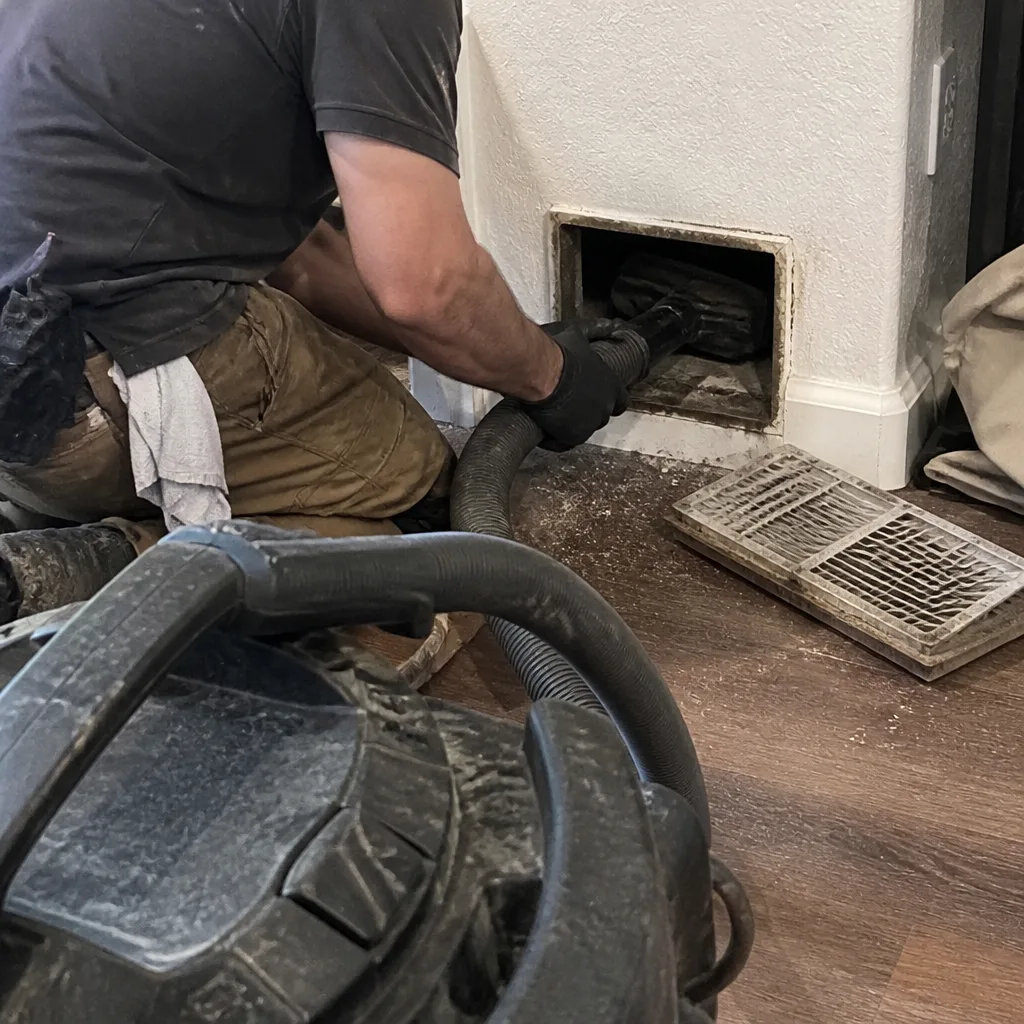 Before
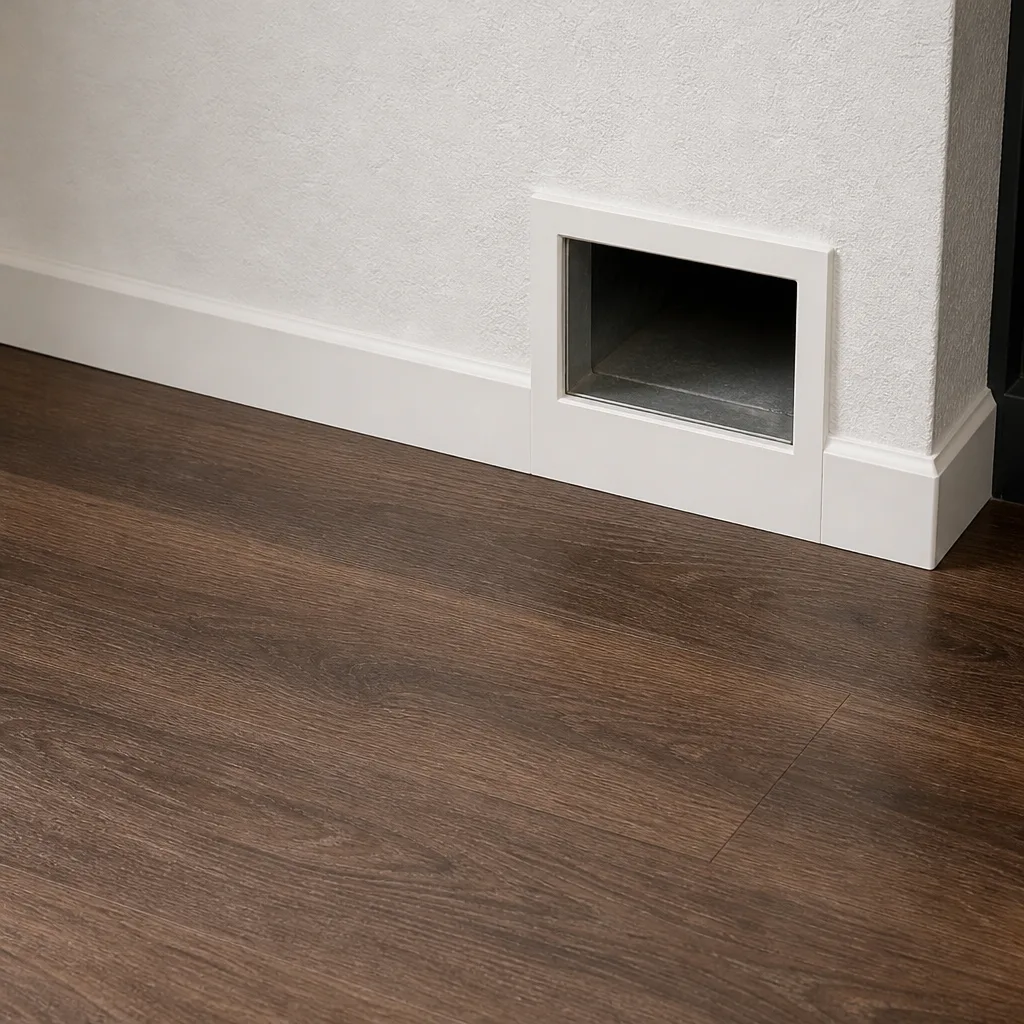 After
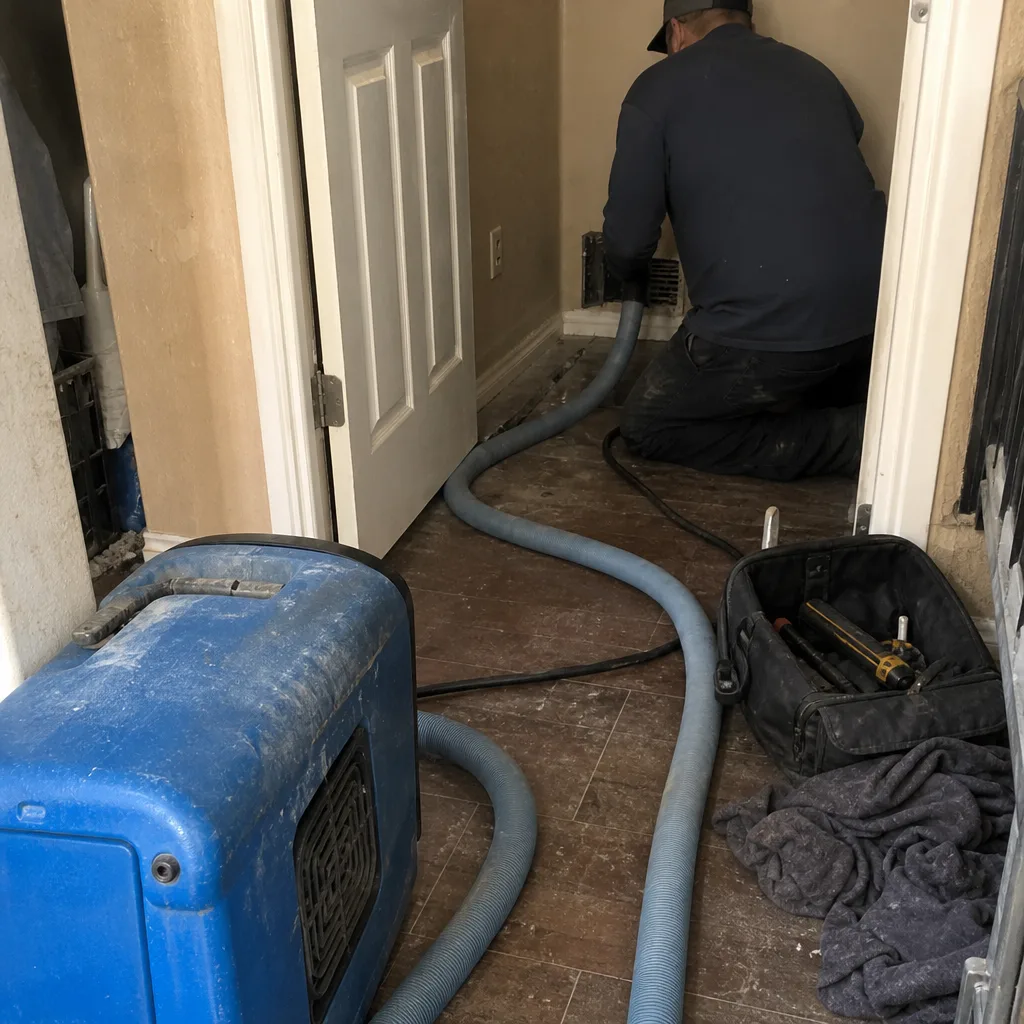 Before
 After
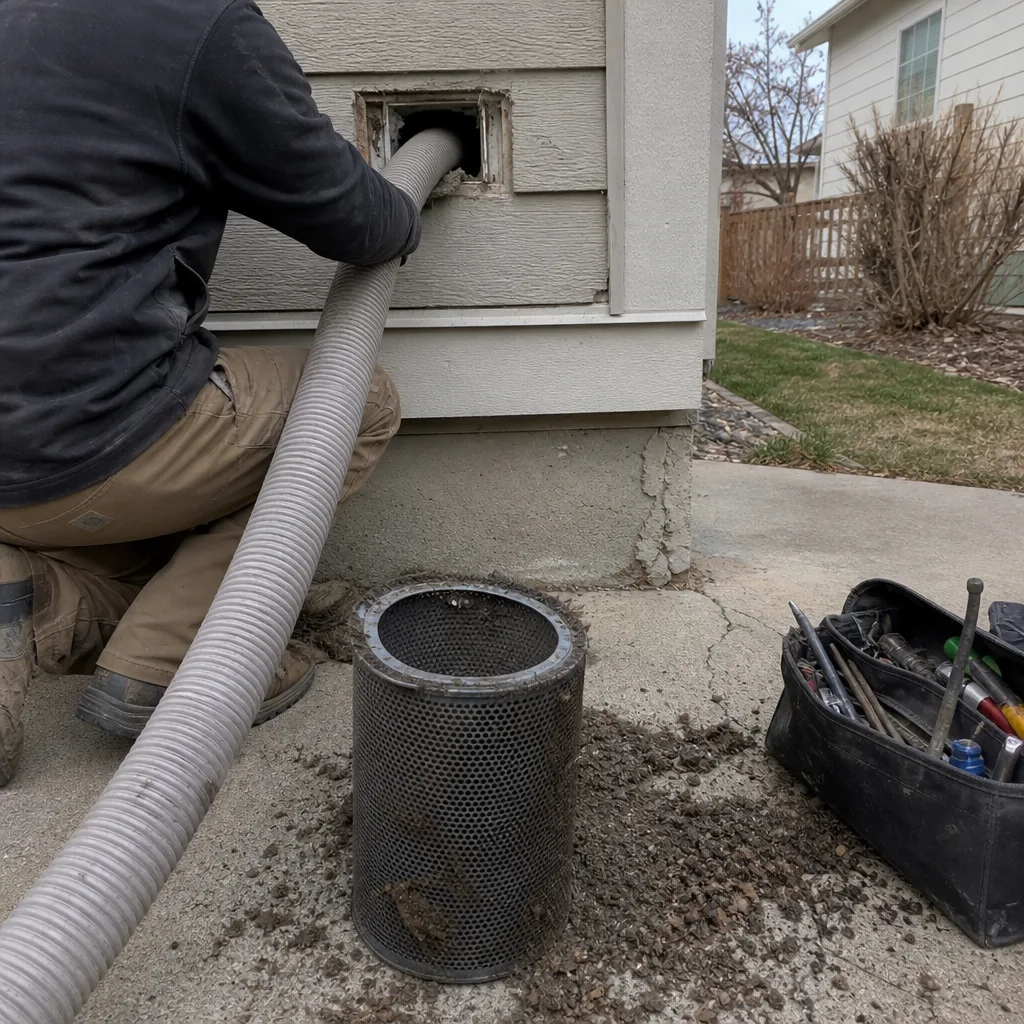 Before
 After
When to Call a Professional
If you’ve run the airflow and humidity checks and the pattern is consistent – one or more rooms underperforming, a smell that won’t clear, a bill climb with no other explanation, or visible dust in a pet or renovation household – it’s time for an inspection. You should also call if you’ve never had the system inspected in a home you’ve recently moved into, if you’ve noticed a return grille pulling weak air, or if a dryer is taking noticeably longer to dry clothes, since that’s a separate fire-risk signal worth checking at the same time. Safety note: don’t open the air handler, the blower compartment, or any part of the gas furnace yourself – those contain electrical, moving, and combustion components that need a trained technician. A visual check at the register and a humidity meter is as far as the homeowner check should go.
Castle Rock Air Duct Cleaning Pros offers free estimates in Castle Rock – call (877) 492-1837. We answer 24/7. Fast dispatch from 7am to 7pm, Sunday through Friday. Our technicians have up to 10 years of experience, and we work with commercial-grade Rotobrush and Nikro systems on every job.
Frequently Asked Questions
The signals that matter most are airflow imbalance between rooms, a persistent musty smell that doesn’t clear, rising humidity differentials, and an energy bill climb with no thermostat change. Visible dust at vents is a late indicator, not an early one. If two or more of those patterns show up together, a full-system inspection is the right next step. Call (877) 492-1837 for an exact quote – estimates are free.
A mild difference on a long duct run is normal, but a pronounced imbalance – especially one that flips between seasons – usually points to a restricted or leaky branch run. In Castle Rock homes, attic-routed ducts are especially prone to disconnection because of the wide temperature swings at elevation. That’s a diagnosis question, not a cleaning question, and the airflow asymmetry test is how we tell them apart.
A brief dusty smell for the first twenty minutes or so of the heating season is normal – it’s dust burning off the heat exchanger. A smell that persists past that, or that comes back every cycle, is a different signal: it usually means a moisture source inside the system feeding biological growth. Cleaning without finding the moisture source won’t fix it. Call (877) 492-1837 for an exact quote – estimates are free.
Yes, restricted airflow from duct fouling forces the furnace to run longer cycles to deliver the same heat output, and that shows up on the bill. The pattern to watch is a climb during a Castle Rock winter with no change to thermostat settings. That’s different from a gradual multi-season climb, which usually points to equipment aging. Isolating which one you’re looking at is step one.
There’s no single number that fits every home. A pet household or a recently renovated home in Castle Rock usually needs attention more often than a quiet household with no pets and no recent construction. The signals in this guide are more reliable than a calendar rule: if the airflow, smell, humidity, or energy pattern has shifted, that’s your trigger. Call (877) 492-1837 for an exact quote – estimates are free.
Dirty ducts cause a gradual decline in airflow across the whole system and tend to show up as dust and system-wide weakness. A leak or disconnect usually shows up as a specific room or zone that underperforms while the rest of the house is fine, and it often comes with a humidity differential. A technician isolates the cause during the inspection – that’s why we check airflow at every register before recommending any work.
The Bottom Line
The warning signs worth watching in a Castle Rock home are not the ones most guides list first. They’re the patterns: a room that never heats right, a smell that comes back every cycle, humidity that doesn’t match the rest of the house, and an energy bill that climbs while the thermostat stays put. Visible dust is the last thing to show up and the least useful signal. When the patterns line up, a full-system inspection that covers the whole air pathway – blower, coil, plenum, trunks, branches, and vents – is the way to find the real cause. Then clean, repair, and seal in the right order.
Written by the team at Castle Rock Air Duct Cleaning Pros.