
Last updated November 25, 2026
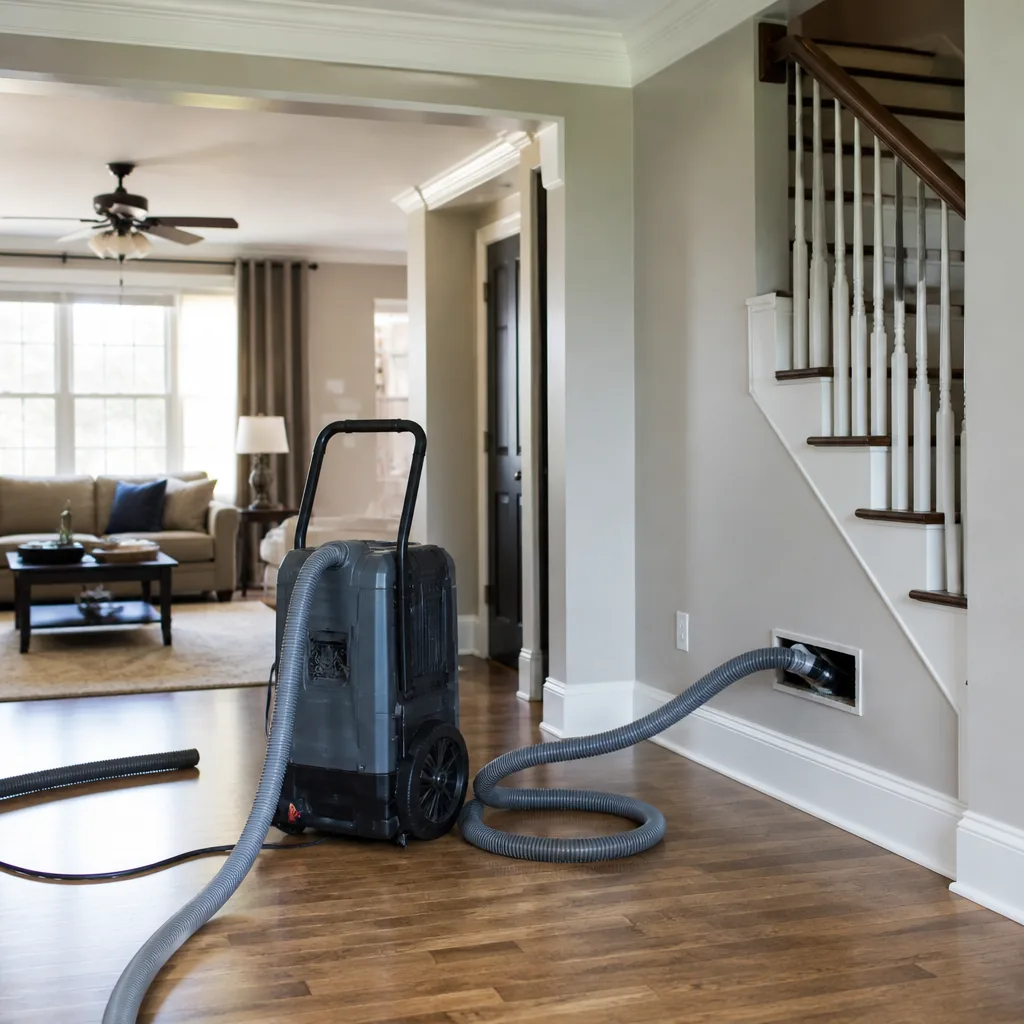 Whole-home duct cleaning
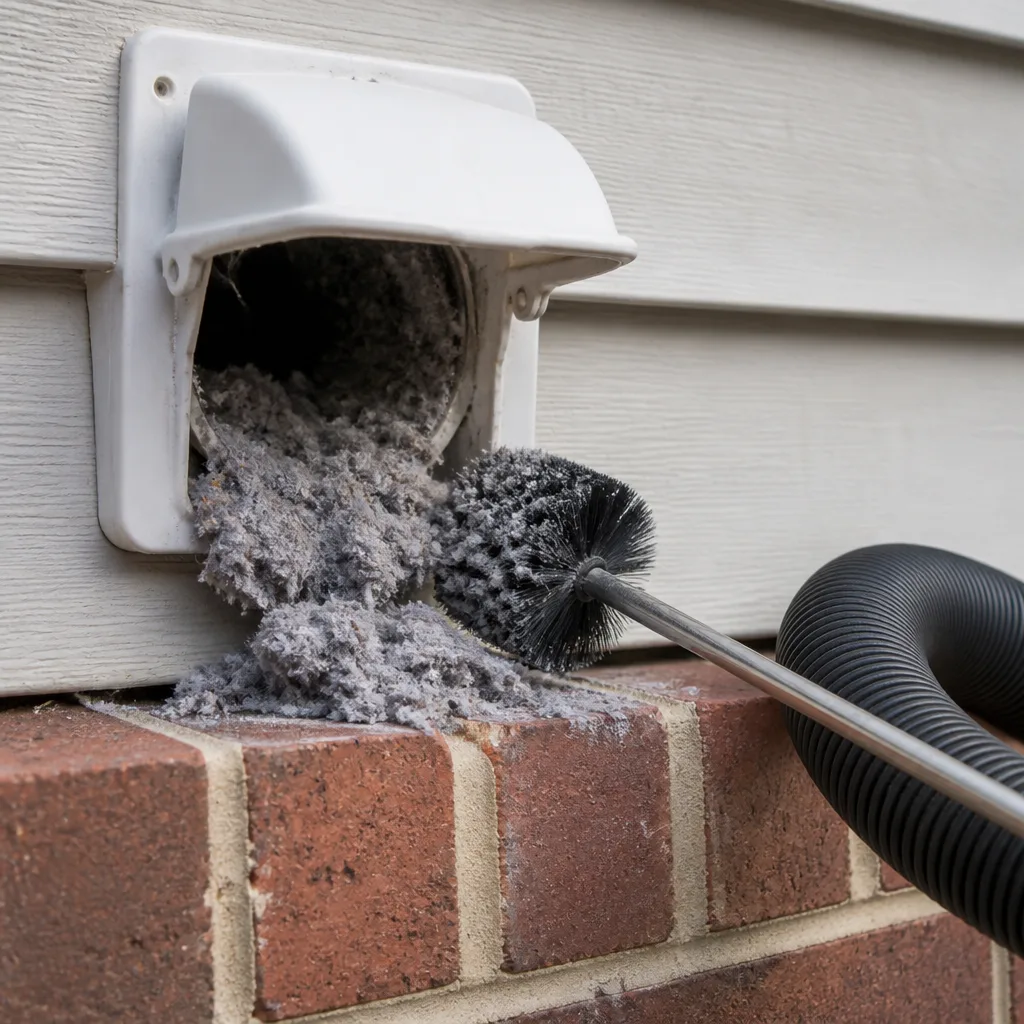 Dryer vent cleaning
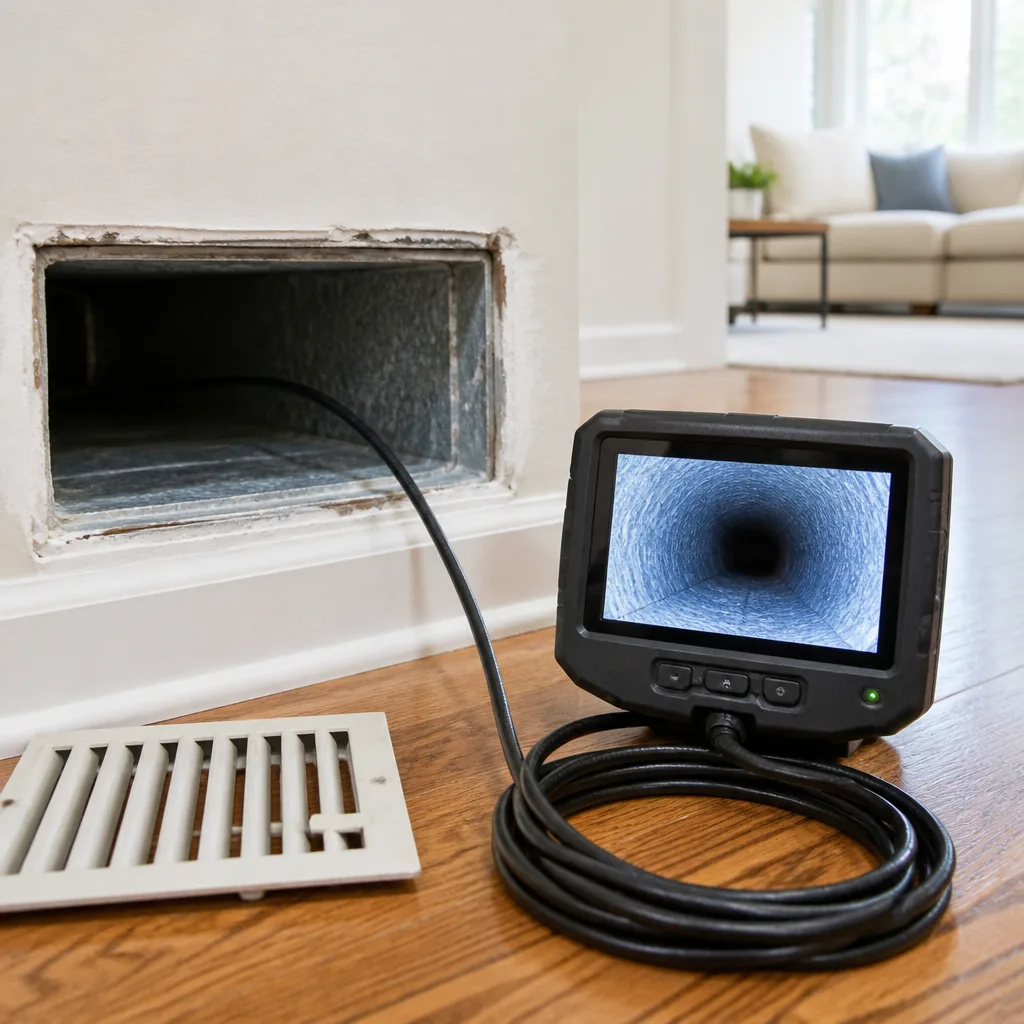 Camera inspection
 Sanitizing & deodorizing
Whole-system duct and dryer vent check with before-and-after photos - you see exactly what came out of your vents
That "$99 whole-house special" is a bait ad - the real number appears once they are in your hallway, or the "clean" is a shop-vac at the register. We photograph the inside of your ducts before and after instead.
The Complete Guide to Air Duct Cleaning in Castle Rock
If a technician cleans your ducts but skips the return plenum and blower wheel, your “clean” ducts will be recontaminated within one heating cycle. Most guides never mention this. They treat the ductwork as the whole system, when in truth the ducts are just the delivery network. The blower, the evaporator coil, and the return plenum are where contamination originates, and they are where a real cleaning has to begin. This guide maps the entire air pathway in a Castle Rock home: what each zone does, how it should be cleaned, what proper documentation looks like, and when cleaning alone won’t fix the problem.
Quick Answer
Air duct cleaning in Castle Rock means removing accumulated dust, debris, and biological contamination from every part of the air delivery system, not just the visible vents: the blower and coil, the supply and return plenums, trunk lines, branch runs, and registers. A complete job uses negative-pressure equipment and source removal methods following NADCA ACR standards, and it includes before-and-after documentation of the whole system. In Castle Rock’s high-altitude, low-humidity climate, dust accumulates faster than in lower Front Range cities, so a full-pathway clean matters even more.
Styles & brands we work with
- Whole-home duct cleaning
- Dryer vent cleaning
- Camera inspection
- Sanitizing & deodorizing
Table of Contents
- Why Castle Rock’s Climate Changes the Duct Cleaning Equation
- The Full Air Pathway: An Anatomy of Your System
- Surface Vacuuming vs. True Source Removal
- What Before-and-After Documentation Should Show
- When Cleaning Alone Isn’t Enough: Repair and Sealing
- Why Equipment Grade Matters: Rotobrush and Nikro
- How a Complete Duct Cleaning Actually Goes
- How Often Castle Rock Homes Really Need Duct Cleaning
Why Castle Rock’s Climate Changes the Duct Cleaning Equation
Castle Rock sits at roughly 6,200 feet, higher than most of the Front Range metro, and that elevation changes how a home’s ductwork behaves. At this altitude, the air is thinner and typically drier than what you find in Denver or the lower suburbs. Low indoor humidity does two things worth understanding. First, it lets fine dust particles stay airborne longer, so more of them get drawn into the return and settle inside the ducts rather than dropping out in the rooms. Second, it dries out dust into a finer powder that coats duct walls and coil fins more evenly than the clumpier dust you see at lower elevations.
The practical result is that a Castle Rock home can build up a meaningful layer of dust inside its ducts faster than a comparable home at lower altitude. Homes in the Terrain and Meadows neighborhoods, which face open grassland and steady wind, tend to pull in more airborne particulate than homes tucked into the pine-covered hills above town. It isn’t a dramatic difference, but it’s consistent, and it’s one reason we don’t recommend stretching the cleaning interval just because a generic online guide says “every three to five years.”
Castle Rock also runs a real heating season. Nights stay cold well into spring and return early in fall, so the furnace cycles heavily for much of the year. Every heating cycle pushes air through the same ductwork, and every cycle that air carries whatever has settled on the duct walls and coil. The climate doesn’t create contamination on its own, but it accelerates accumulation. That’s the reason a full-pathway clean, including the coil and blower, matters more here than a register-only vacuum ever will.
One more local factor: new construction. Castle Rock has grown quickly, and construction dust from nearby building sites is fine and pervasive. Homes near active development often find a light gray film inside their ductwork within the first couple of years. It’s not a defect in the home; it’s just what fine construction dust does when it gets pulled into a return.
The Full Air Pathway: An Anatomy of Your System
To understand what a complete cleaning involves, you need a mental map of how air moves through your home. Most homeowners picture a simple loop: air goes in a vent, travels through a tube, comes out another vent. The reality has distinct zones, each with its own cleaning requirements. Here’s how the system breaks down, in the order air actually travels.
- Return registers and return ducts. Air is drawn from the rooms back toward the equipment. These ducts carry the dirtiest air in the system and accumulate the heaviest dust load.
- Return plenum. The collection box just before the air handler. This is a high-deposit zone where dust, hair, and debris often pile up in corners and on the bottom surface.
- Blower wheel and cabinet. The fan that moves all the air. Dust cakes onto the blades over time, which throws the wheel off balance and reduces airflow without any obvious symptom until the system is struggling.
- Evaporator coil. The cooling coil. Dust and biological growth collect on the fins, and a matted coil loses heat-transfer efficiency and can develop that musty smell people notice when the AC first kicks on.
- Supply plenum. The distribution box after the equipment, where air splits toward the trunk lines.
- Trunk lines and branch runs. The main ducts and the smaller runs that branch off to individual rooms. These are what most people mean by “the ducts.”
- Supply registers. The vents you see in each room. Clean registers prove almost nothing about the ducts behind them.
Each zone needs a different approach. The blower and coil need careful mechanical cleaning without damaging fins or blades. The plenums need agitation and vacuuming. The branch runs need negative-pressure cleaning with a rotary brush or air whip sized to the duct. Skipping any zone leaves a reservoir that recontaminates everything downstream. If you want to read more about how we handle each stage, our air duct cleaning page covers the service in detail.
Surface Vacuuming vs. True Source Removal
Here’s the distinction that separates a real duct cleaning from a cosmetic one, and it’s the distinction most homeowners never hear explained. A surface vacuum job runs a shop-style vacuum into a few accessible sections and pulls loose dust from the first few feet of duct. The ducts look better at the vent opening. The contamination deeper in the system, on the coil, and in the plenum stays exactly where it was, and it migrates back out within a heating cycle.
A true source-removal clean is engineered differently. The North American Duct Cleaners Association’s ACR (Assessment, Cleaning, and Restoration) standard is the reference most professionals work from, and it lays out the principles that matter.
What a proper source-removal clean requires
- Negative pressure on the whole system. A high-capacity vacuum creates negative pressure so loosened debris is captured, not released into the home. The vacuum must be connected so the entire duct network is under suction during cleaning, and the equipment has to be sized to the job.
- Mechanical agitation of every surface. Compressed air whips, rotary brushes, and specialized tools physically dislodge debris from duct walls. Vacuum alone doesn’t lift adhered dust; agitation does.
- Access creation where needed. Many systems require cut-in access ports to reach plenums, trunk lines, and the coil cabinet. These are sealed afterward. A cleaner who only works through existing registers is limited to a small fraction of the system.
- Containment and HEPA filtration. Debris is captured and removed, and air released during cleaning is filtered so the fine dust and biological particulate don’t get redistributed into living spaces.
- Source-removal, not encapsulation. Sealing contamination in place with a coating isn’t cleaning. The material has to come out.
If you’re comparing quotes, these are the questions to ask. Does the price include the coil and blower? Will they cut access ports where needed, and how will they seal them? What vacuum capacity do they use, and is it HEPA-filtered? A quote that can’t answer these clearly is a surface job with a professional-sounding invoice. This is the difference we build our whole process around, and it’s why we run commercial-grade equipment rather than consumer or rental machines.
What Before-and-After Documentation Should Show
A before-and-after photo of a register cover is meaningless. Register covers are removable and wipeable in under a minute, so anyone can produce a clean-looking “after” shot. The same goes for a photo of a vent opening with the vacuum hose in it. Neither proves the ducts, coil, plenum, or branch runs were actually cleaned. Real documentation shows the parts of the system that are hard to access and hard to fake.
Here’s what credible documentation looks like for a complete clean:
- Inside-the-duct shots. Before-and-after photos taken from inside the trunk lines, not at the vent face. The camera should show duct-wall condition with a reference for location.
- Coil photos. The evaporator coil before and after cleaning, showing fin condition. This is the single most important zone and the one most often skipped.
- Blower wheel photos. Blade condition before and after, since a caked wheel is a clear visual marker of a system that needed cleaning.
- Plenum and return shots. Documentation of the high-deposit return plenum and supply plenum.
- Access port photos. Where cuts were made and how they were sealed afterward, so you can confirm the system was restored properly.
Ask to see the documentation on the day of the job, while the technician is still on site. A cleaner who documents the whole pathway will have no trouble showing you. A cleaner who only has register photos will have a story about why the rest isn’t necessary, and that story usually means the rest wasn’t done. Documentation isn’t a nice extra; it’s the proof that the work you paid for actually happened.
When Cleaning Alone Isn’t Enough: Repair and Sealing
Cleaning removes contamination that’s already there. It does nothing about the leaks and gaps that let new contamination in. This is the part most guides skip, and it’s the reason a clean duct system can be dirty again in a surprisingly short time. If your ductwork has open seams, disconnected sections, or gaps around registers, every negative-pressure cycle pulls unfiltered attic or crawlspace air, and its dust, into the system. No amount of vacuuming fixes a leak. You have to find it and seal it.
In Castle Rock homes, the common leak points we look for are duct seams in unconditioned attic runs, connections at the plenum, register boots that aren’t sealed to drywall, and joints where branch runs meet trunks. We treat duct repair and sealing as a core service, not an upsell tacked on after the cleaning. The sequence matters: find the leak, seal it, then clean, or at least verify the seal before the final clean so the system stays clean. Done in the wrong order, you clean a leaking system and the clean degrades quickly.
Signs your ducts need sealing rather than just cleaning:
- Uneven airflow, where some rooms are starved while others are fine.
- Dust settling quickly on surfaces after a fresh cleaning.
- Higher energy bills without an obvious equipment cause, since leaking ducts in an attic dump conditioned air outside the living space.
- A persistent musty or dusty smell when the system runs, even after cleaning.
- Visible gaps, disconnected sections, or sagging flex duct found during a home inspection.
A cleaning that ignores the envelope is a cleaning that buys you a few months. A cleaning paired with sealing is what actually changes the system’s behavior. When we assess a Castle Rock home, we map the leaks before we decide what the job should include.
Why Equipment Grade Matters: Rotobrush and Nikro
Duct cleaning equipment falls into two categories: the machines used by professional HVAC contractors, and the rental-grade or consumer units available to anyone. The difference isn’t brand preference; it’s the physics of whether the tool can actually reach and dislodge adhered debris throughout a whole system. We run Rotobrush and Nikro systems for that reason, and they matter in part because they allow the combination of high-volume negative pressure with rotary agitation at the end of a long flexible reach, so branch runs and plenums both get cleaned without dragging a shop vac through a register.
Rotobrush is the system most commercial HVAC contractors recognize for its rotary brush-and-whip flexibility, and Nikro provides the high-capacity vacuum and HEPA filtration that keeps fine particulate contained. Together they let us clean a full pathway, not just reachable sections. Equipment grade shows up in results, but it also shows up in the work: a machine that can reach into the branch runs means the cleaner doesn’t have to explain why “this part” isn’t included.
We also work with Honeywell and Aprilaire filtration and air-quality products, plus Guardsman-level protection standards for sanitizing work. That matters when the clean reveals biological growth on the coil or odors that aren’t solved by dust removal alone. Sanitizing isn’t a spray-and-go step; it’s a finish-quality process that follows the same discipline as the cleaning. If you want the full picture on filtration and air-quality upgrades alongside cleaning, our HVAC cleaning page explains how the equipment-side cleaning and air-quality work connect.
How a Complete Duct Cleaning Actually Goes
A complete job follows a sequence, and the sequence exists for a reason: each step makes the next one effective. Here’s how a full-pathway clean typically proceeds, in general terms.
- Assessment and mapping. We inspect the system layout, note duct type (rigid metal, flex, or a mix), identify plenum and coil access, and check for leaks or disconnected sections. This determines the cleaning plan and whether repair is needed.
- Access and containment setup. Access ports are created where the system can’t be reached through existing openings. The vacuum is connected to create negative pressure on the whole network, and containment keeps debris out of living spaces.
- Equipment-side cleaning. The blower wheel and cabinet are cleaned, and the evaporator coil is cleaned mechanically without damaging fins. This is the source-removal step most surface jobs skip.
- Plenum and duct cleaning. Return and supply plenums are agitated and vacuumed. Trunk lines and branch runs are cleaned with rotary brushes and air whips sized to the duct, under continuous negative pressure.
- Register cleaning. Supply and return registers are removed, cleaned, and reinstalled.
- Sealing and restoration. Access ports are sealed, and any identified leaks are sealed with appropriate materials so the system is tighter than when we started.
- Documentation and final check. Before-and-after photos of the duct interiors, coil, and blower are provided, along with a summary of any repair or sealing work.
If sanitizing is part of the job, it happens after the cleaning and sealing so it reaches a clean surface. A sanitizer applied over contamination doesn’t do its job. This is why we treat the order as non-negotiable. The same discipline applies to the dryer vent side of the system, which many duct-only cleaners skip entirely; our dryer vent cleaning page covers why that matters for fire safety and airflow.
How Often Castle Rock Homes Really Need Duct Cleaning
Generic advice says every three to five years, but that number ignores the home and the climate. For a Castle Rock home, several factors should push the interval shorter. High-altitude dust loads and a long heating season mean more particulate through the system each year. Homes near open land or active construction see more dust. Homes with pets, recent remodeling, or anyone in the household with allergies or respiratory sensitivity should generally clean more often. If you’ve just moved in and don’t know the history of the ductwork, a baseline clean and inspection is the right starting point.
Signs it’s time, regardless of the calendar:
- Visible dust settling on furniture shortly after cleaning surfaces.
- Musty or dusty odors when the heat or AC first runs.
- Uneven airflow between rooms that wasn’t there before.
- Allergy symptoms that worsen indoors during heating season.
- A recent remodel, or a new-to-you home with unknown duct history.
- Visible dust buildup inside the return registers or grilles.
If you’re unsure, an inspection answers the question quickly. There’s no benefit to guessing, and there’s no benefit to cleaning on a schedule that doesn’t match your home. We’ll tell you what the system looks like and what it needs, based on what we actually find.
Common Mistakes to Avoid
- Judging the job by the registers. Clean register covers prove nothing about the ducts, coil, or plenum behind them. Ask to see interior documentation before you accept that the work is done.
- Skipping the coil and blower. These are the source zones. A cleaning that leaves them untouched is a cleaning that leaves the real reservoir in place, and the ducts will be dirty again quickly.
- Accepting per-vent pricing as the whole story. Per-vent pricing typically covers only the registers, not the plenums, coil, or branch runs. Ask what the price actually includes before you compare quotes on number alone.
- Cleaning without checking for leaks. In Castle Rock’s long heating season, a leaking duct system pulls unfiltered air continuously. Find the leak, seal it, then clean, or the clean won’t hold.
- Sanitizing before cleaning. A sanitizer applied over dust and biological growth doesn’t reach the surface it’s meant to treat. Cleaning and sealing come first.
- Ignoring the dryer vent. It’s part of the air-handling envelope and a genuine fire risk. Many duct-only cleaners skip it. If you’re having the ducts cleaned, ask whether the dryer vent is included.
- Trusting a rental-grade machine and a shop vac. Those tools can’t reach the full system or maintain the negative pressure a real source-removal clean requires. Ask what equipment is being used.
See the difference
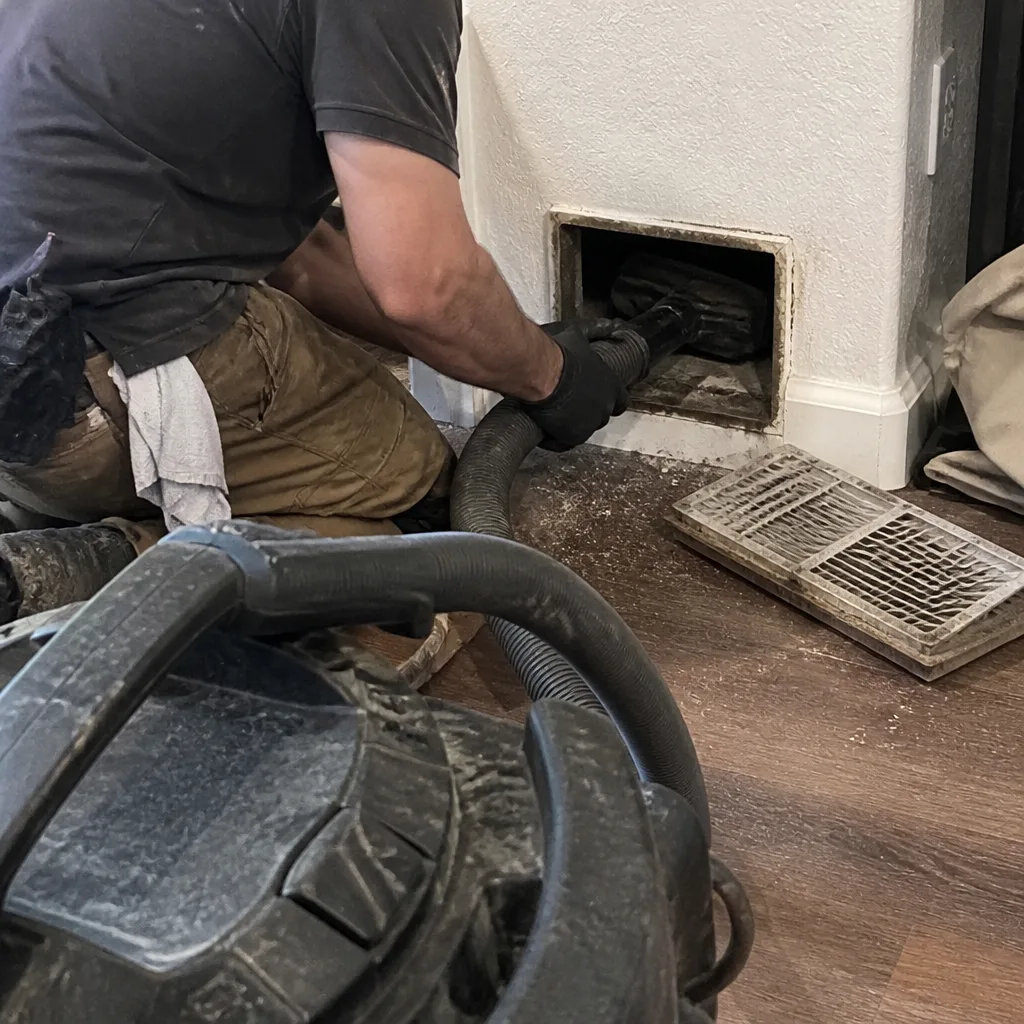 Before
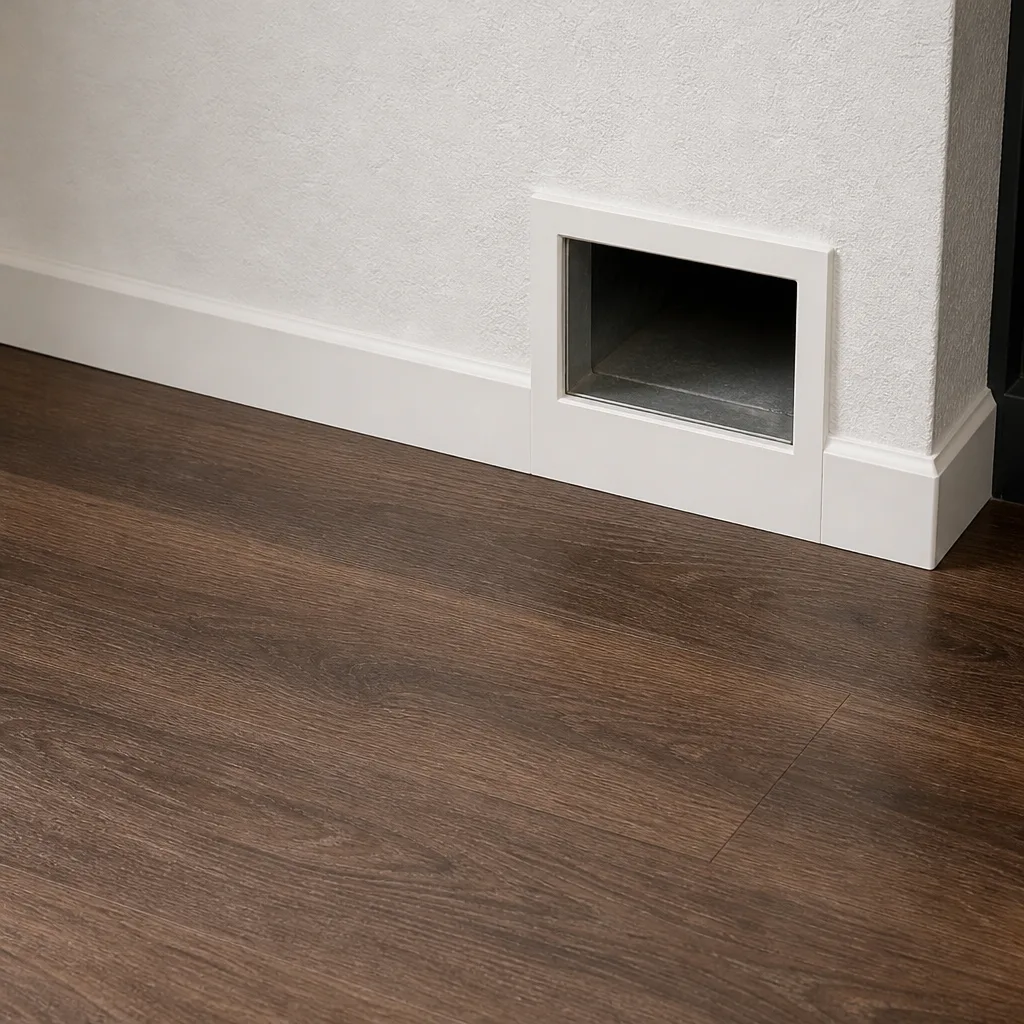 After
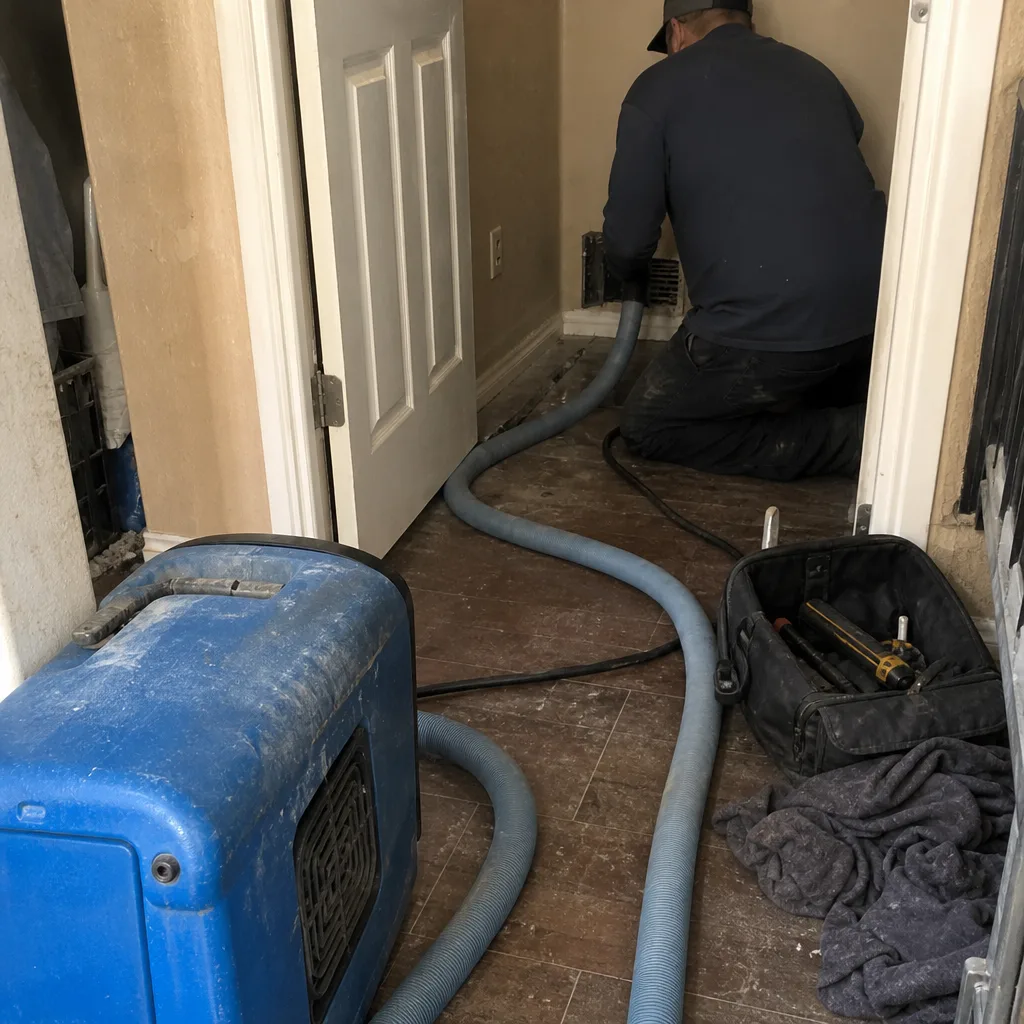 Before
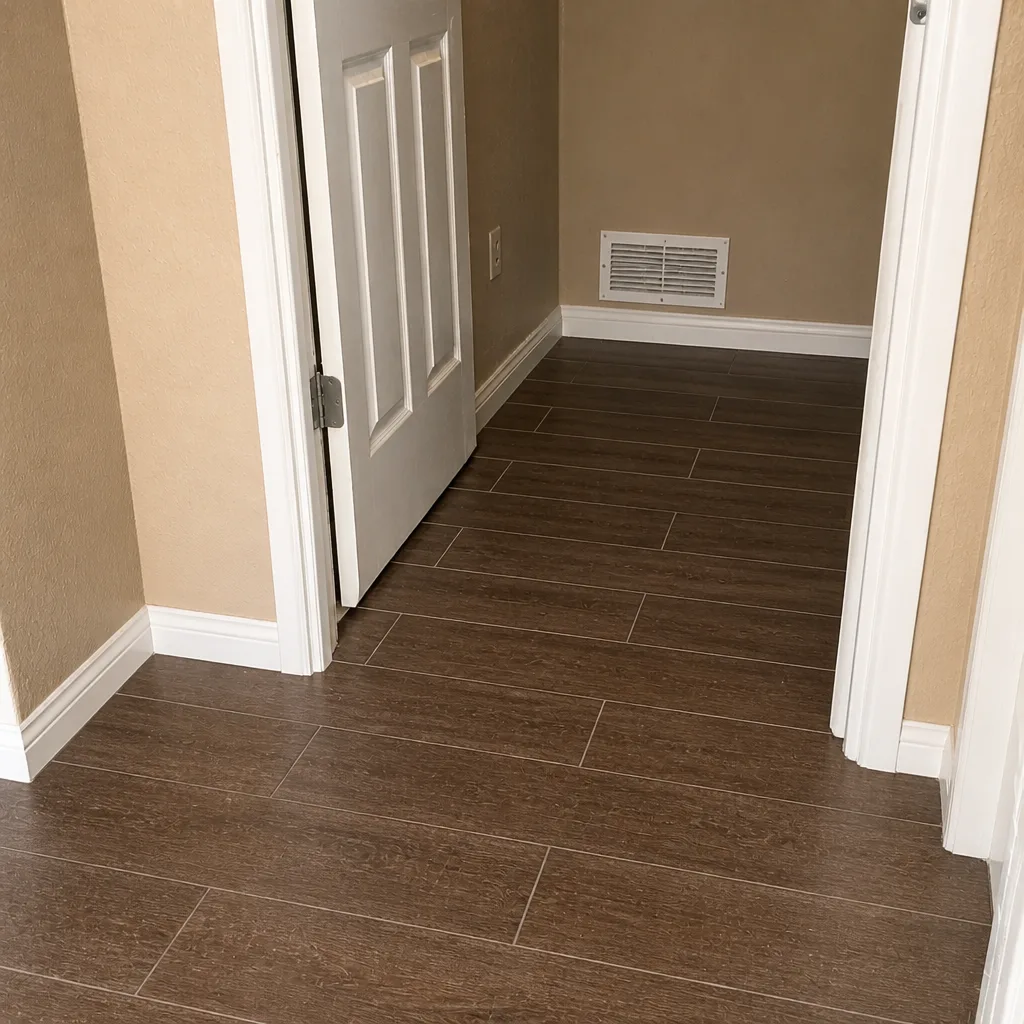 After
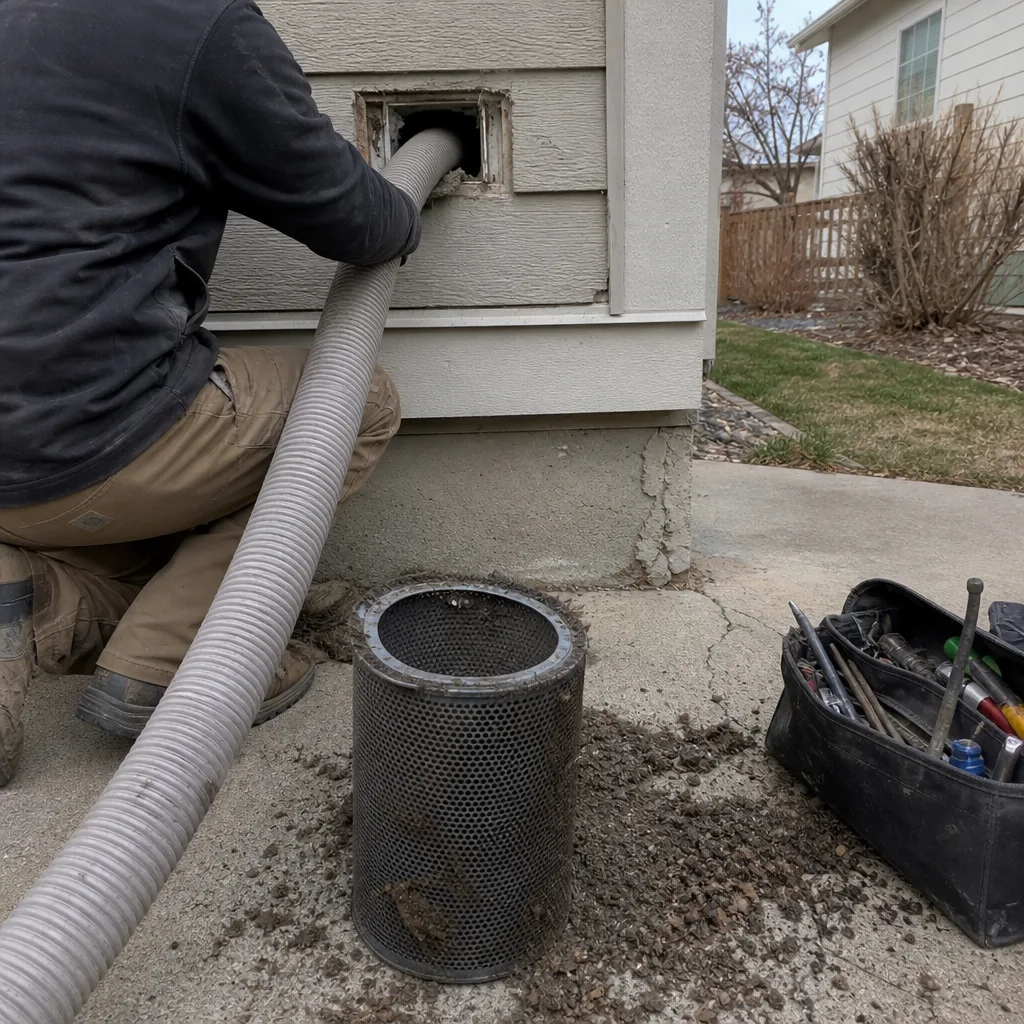 Before
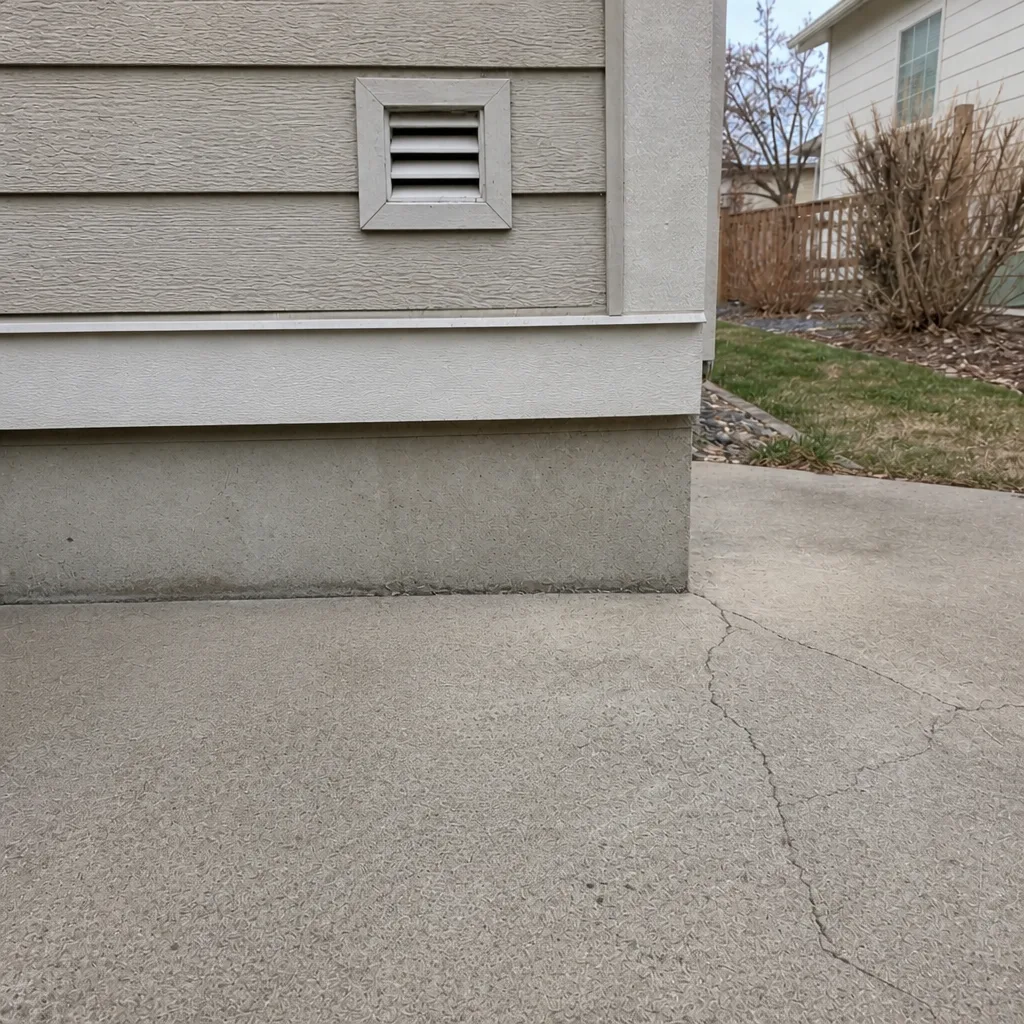 After
When to Call a Professional
Some issues are worth a call without waiting for a scheduled interval. If you notice a musty smell every time the heat comes on, uneven airflow between rooms, or dust that settles faster than it should after cleaning, those are signs the system needs assessment. The same goes for a recent remodel, a new home with unknown duct history, or a home near active construction where fine dust has been pulled into the return. If anyone in the household has worsening allergies or respiratory sensitivity, that’s reason enough to inspect. None of these require guesswork. Castle Rock Air Duct Cleaning Pros offers free estimates in Castle Rock. Call (877) 492-1837. We answer 24/7. Fast dispatch from 7am to 7pm, Sunday through Friday. A local pro will assess the full pathway, including the coil and blower, and give you a written estimate before any work begins, licensed and insured as their state requires.
Frequently Asked Questions
Most whole-system air duct cleaning in the Castle Rock area falls in the range of roughly $400 to $900 for a typical single-family home, depending on the number of branch runs, whether the coil and plenum are included, and whether repair or sealing work is needed. The written estimate sets the final price, and we set one flat price per system before work starts, so there’s no per-vent surprise when the technician is on site. Call (877) 492-1837 for a free estimate.
Cheap quotes are usually cheap because they exclude the parts of the system that are hardest to clean: the coil, the blower, the plenums, and the branch runs behind the walls. A register-only vacuum can be done in a fraction of the time with consumer equipment, and that’s what many low quotes cover. The right question isn’t the lowest number; it’s what the number includes. Ask whether the coil and plenums are in the price and whether before-and-after documentation of the duct interiors is provided. Then call (877) 492-1837 for an honest, full-pathway estimate.
Ask for before-and-after photos taken inside the ducts, at the coil, and at the blower wheel. Register photos aren’t proof of anything, because register covers wipe clean in seconds. Interior documentation shows the zones that are hard to access and hard to fake. A professional who documents the whole pathway will show you without hesitation. If documentation is limited to the registers, the cleaning was likely limited to the registers too. Call (877) 492-1837 and we’ll walk you through what a complete documentation set includes.
More often than the generic every-three-to-five-years advice suggests, because Castle Rock’s high altitude, dry air, and long heating season mean more fine dust moves through the system each year. Homes near open land, active construction, or with pets and allergy-sensitive occupants generally benefit from cleaning on a shorter interval. The right answer for your home comes from an inspection, not a calendar. Call (877) 492-1837 to schedule a free assessment.
It can help, especially when the source is contamination on the coil, blower, or plenum, but it works best when paired with source removal and sealing rather than a surface vacuum. A musty smell that returns after a cleaning usually points to biological growth on the coil or a leak pulling in unfiltered air. Cleaning, sealing, and sanitizing in the right order addresses the cause instead of masking it. Call (877) 492-1837 for an assessment of the full pathway.
We clean the full air pathway, which includes the HVAC unit side (blower, coil, plenums) and the dryer vent, not just the ducts. That matters because the equipment is where contamination originates and the dryer vent is a fire-risk component that many duct-only cleaners skip. One call covers cleaning, repair, and air quality, so you don’t need a second contractor for the sealing work after the clean. Call (877) 492-1837 for a free estimate. Every air duct cleaning is performed by a vetted local pro who is licensed and insured as their state requires.
The Bottom Line
The ducts are only part of the system. In Castle Rock homes, the blower, evaporator coil, and return plenum are where contamination originates, and cleaning them is what makes the rest of the work hold. A real source-removal clean uses negative pressure and mechanical agitation across the whole pathway, documents the interior with before-and-after photos, and pairs cleaning with sealing whenever leaks would otherwise recontaminate the system. Castle Rock’s high-altitude, dry climate and long heating season mean dust accumulates faster here than at lower elevations, so the interval matters too. If your home shows the signs, the right move is an assessment of the full pathway. Call Castle Rock Air Duct Cleaning Pros at (877) 492-1837 for a free estimate. We answer 24/7. Fast dispatch from 7am to 7pm, Sunday through Friday. The local pro is licensed and insured as their state requires, and the written estimate sets the final price before any work begins. For the full service overview, start with Castle Rock Air Duct Cleaning Pros.
Written by the team at Castle Rock Air Duct Cleaning Pros.