
Last updated November 25, 2026
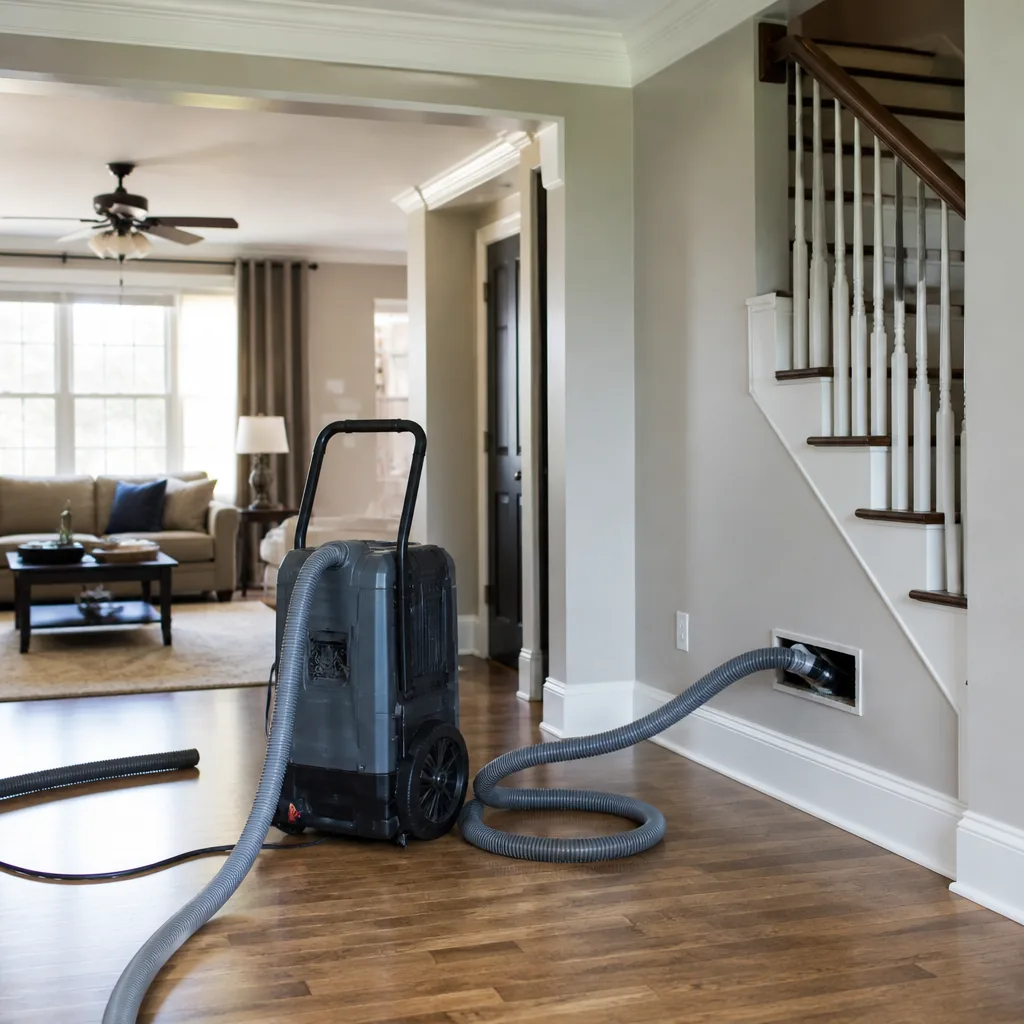 Whole-home duct cleaning
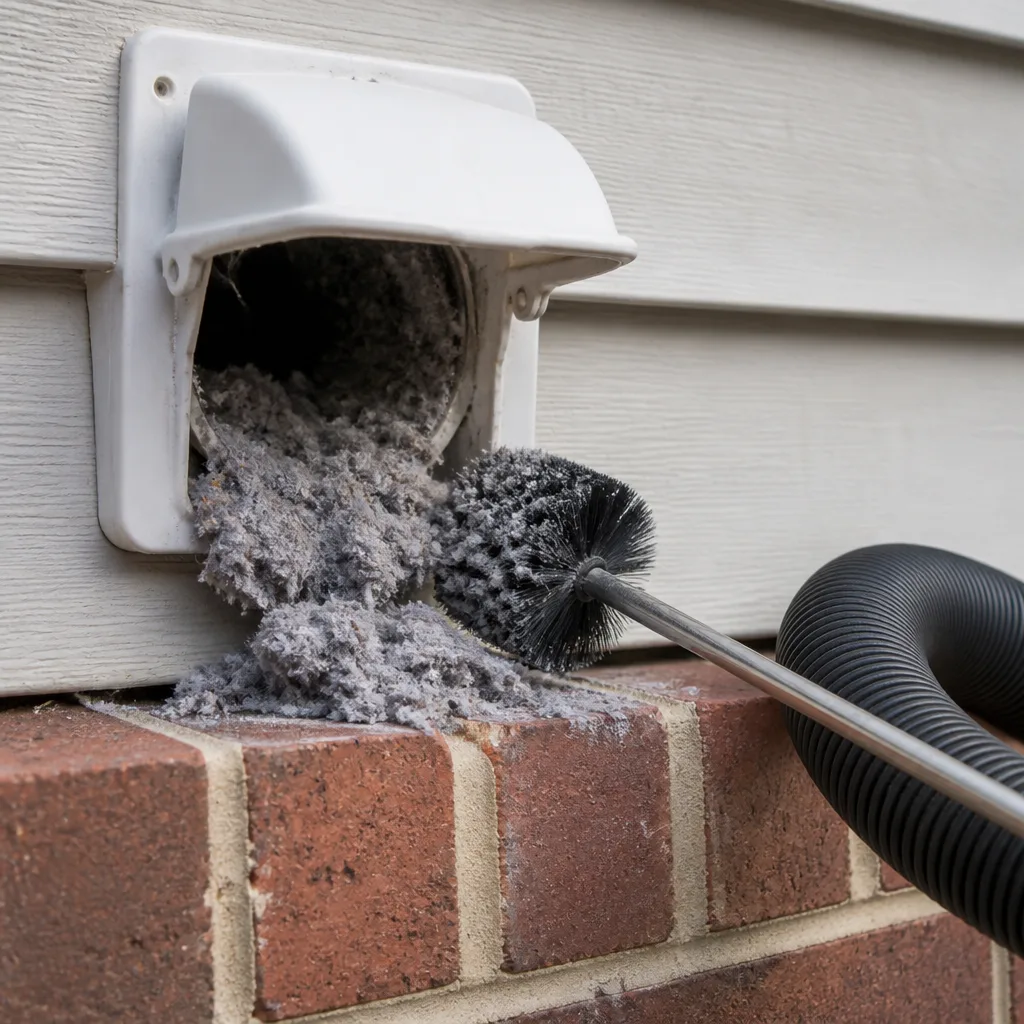 Dryer vent cleaning
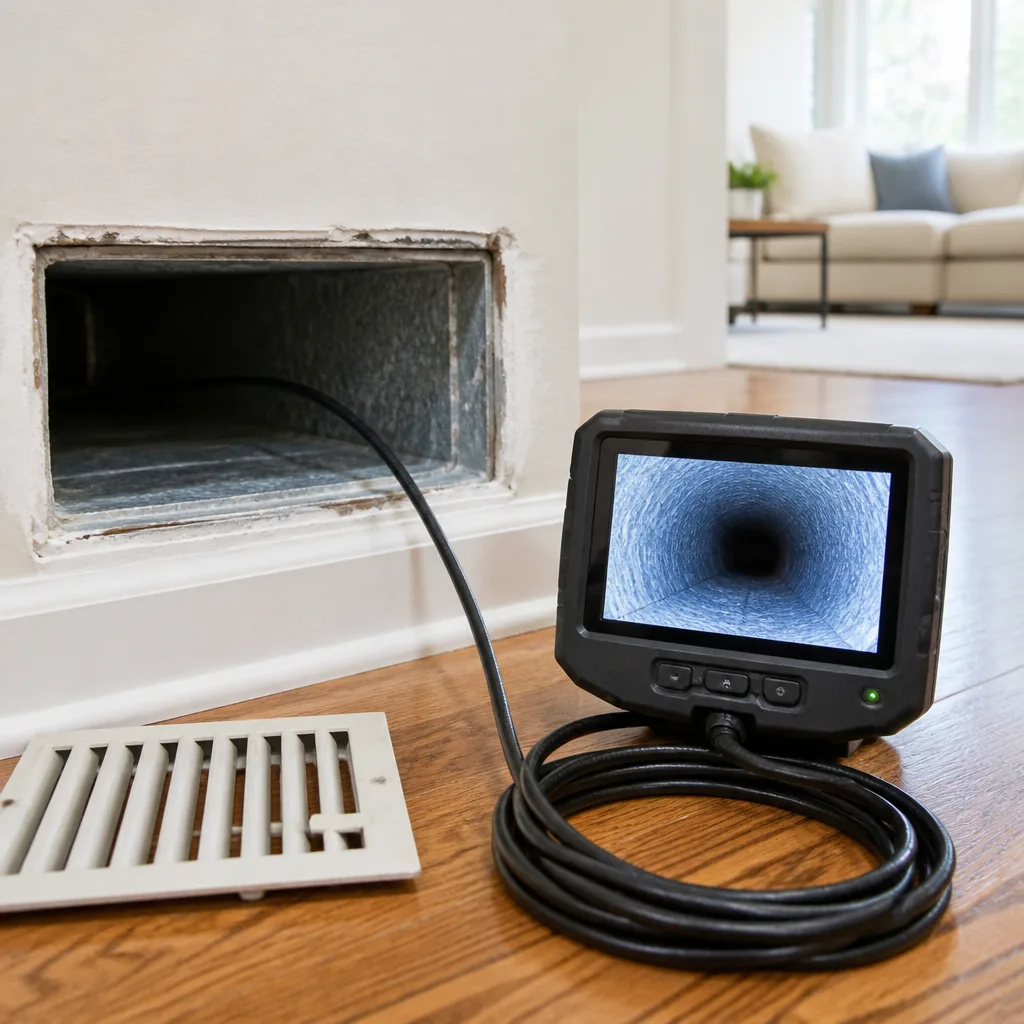 Camera inspection
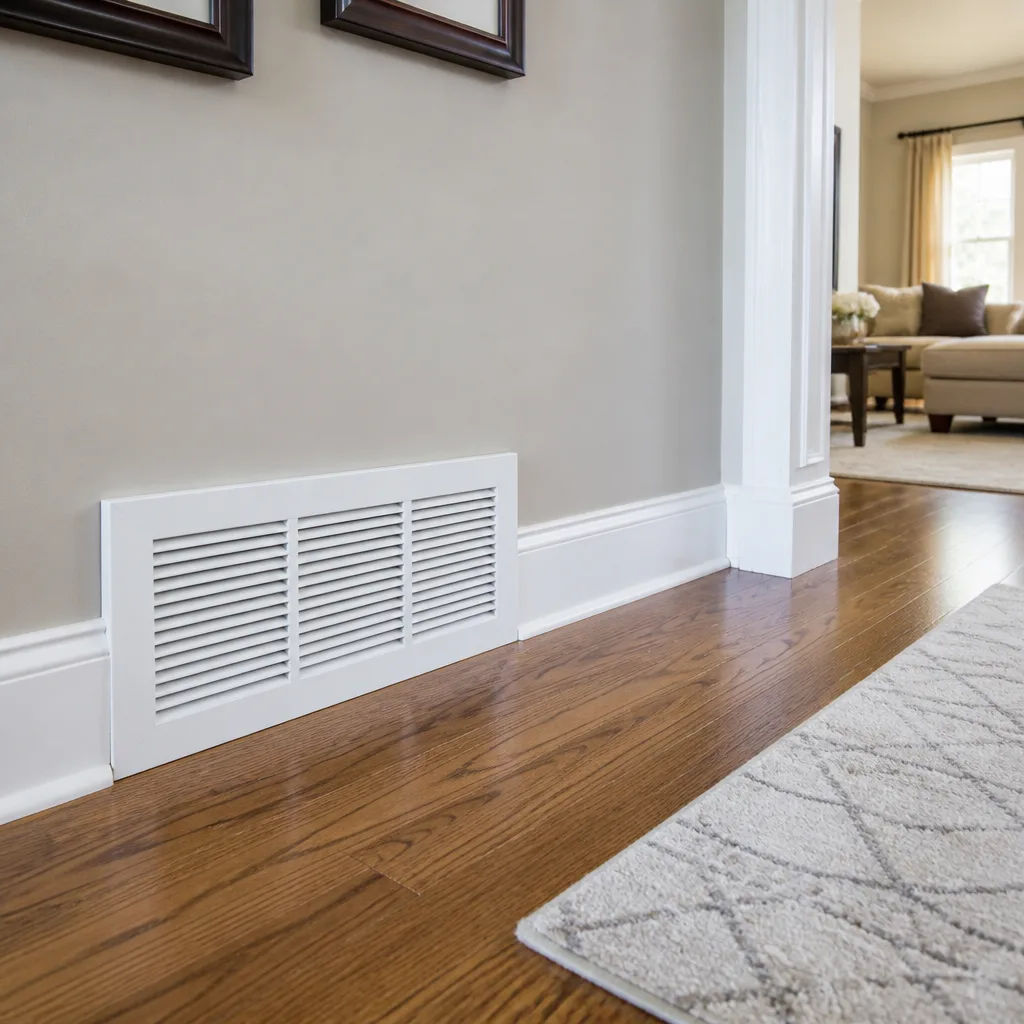 Sanitizing & deodorizing
Whole-system duct and dryer vent check with before-and-after photos - you see exactly what came out of your vents
That "$99 whole-house special" is a bait ad - the real number appears once they are in your hallway, or the "clean" is a shop-vac at the register. We photograph the inside of your ducts before and after instead.
Air Duct Cleaning Troubleshooting in Castle Rock: Common Problems and How to Fix Them
If you’ve had your ducts cleaned twice in three years and the same problem keeps coming back, the ducts aren’t your problem. Something else in your air system is. That’s the uncomfortable truth most duct cleaning companies won’t tell you, because a repeat cleaning is easier to sell than a proper diagnosis. We see it constantly in Castle Rock: homeowners paying for a third cleaning when what they actually need is a sealed return, a cleaned evaporator coil, or a corrected filter setup. This guide teaches you to troubleshoot like a technician. You’ll learn how to tell a duct problem from an equipment problem, how Castle Rock’s high-altitude, dry climate shapes what collects where, and when the real fix is repair and sealing rather than another pass with a vacuum.
Quick Answer
Most recurring air quality and airflow complaints in Castle Rock trace back to one of four root causes: a dirty evaporator coil or blower rather than dirty ducts, unsealed duct joints leaking air into unconditioned space, a filter that’s wrong for the system, or contamination that was cleaned but never sanitized. A visual inspection of the coil, the plenum, and accessible duct runs tells you which one you’re dealing with before you spend money. Cleaning alone fixes contamination; it does not fix leaks, airflow design, or equipment problems, which is why a cleaning that “didn’t work” usually means the wrong service was sold.
Styles & brands we work with
- Whole-home duct cleaning
- Dryer vent cleaning
- Camera inspection
- Sanitizing & deodorizing
Table of Contents
- Duct Problem or Equipment Problem? How to Tell the Difference
- Why Castle Rock’s Climate Changes Where Dust Collects
- A Step-by-Step Visual Inspection You Can Do Yourself
- Common Post-Cleaning Complaints and What They Actually Mean
- When the Fix Is Repair and Sealing, Not Another Cleaning
- Uneven Airflow and Weak Vents: Tracing the Real Cause
- Musty Odors and What They Point To
- Common Mistakes to Avoid
Duct Problem or Equipment Problem? How to Tell the Difference
This is the single most useful distinction in air duct troubleshooting, and it’s the one homeowners skip. The ducts are the delivery network. The furnace, air handler, and evaporator coil are the machine that conditions the air. Contamination and airflow failures can originate in either place, and the symptoms overlap enough that people assume “dusty house” automatically means “dirty ducts.”
Here’s the split, in practical terms.
Signs the ducts are the source
- Visible dust or debris inside supply registers when you remove the grille
- A musty or dusty smell that’s strongest right at the vents
- Debris blowing out of a vent when the system first starts
- Uneven airflow between rooms served by the same trunk line
- Dust settling on surfaces near the vents faster than elsewhere in the room
Signs the equipment is the source
- Dust on the supply registers but a clean return side
- A musty smell coming from the air handler closet or furnace area rather than the vents
- Weak airflow everywhere, not just in a few rooms
- Rising energy bills with no change in how you run the system
- A wet or matted evaporator coil, or a blower wheel caked with dust
The most common miss is the evaporator coil. When a coil is dirty or partially blocked, it restricts airflow across the whole system, and no amount of duct cleaning will restore it. The same goes for a dust-loaded blower wheel, which loses its ability to move air efficiently. In our experience across Castle Rock homes, a meaningful share of “my ducts need cleaning again” calls turn out to be a dirty coil or blower that’s never been cleaned at all.
That’s why full-system HVAC cleaning addresses the equipment side, not just the ductwork. Cleaning the ducts while leaving a contaminated coil and blower in place is like vacuuming a room and leaving the fan blowing dust off the ceiling.
Why Castle Rock’s Climate Changes Where Dust Collects
Castle Rock sits high on the Palmer Divide, elevation around 6,200 feet, with low humidity and wide day-to-night temperature swings. That combination shapes indoor air in ways that a generic duct cleaning checklist ignores, and understanding it is a big part of troubleshooting correctly here.
Low humidity means airborne dust stays airborne longer. In a humid climate, fine particles pick up moisture and settle. In Castle Rock’s dry air, they ride the airstream farther into the system before dropping out of suspension. The practical result: dust accumulates deeper inside the trunk lines and at the far ends of long runs, not just at the register boots where most people look.
Where we see accumulation concentrate in Castle Rock homes
- Horizontal duct runs in attics, where temperature swings cause condensation cycles and dust binds to the metal
- The return plenum and the last few feet before the air handler, where velocity drops and particles drop out
- Long, flexible runs to upstairs bedrooms, which act as settling chambers
- Register boots and diffusers, especially floor registers where gravity collects debris
The wide temperature swings matter too. When ducts pass through unconditioned attic space, they cycle between warm and cold throughout the day. That cycling draws dust-laden air toward gaps, and any unsealed joint becomes both a leak and a collection point. Castle Rock’s heating season also runs longer and harder than in the lower-elevation Front Range, which means more hours of forced-air operation pulling air through the system every year.
The dry air has a second effect worth knowing. Low indoor humidity makes dust more mobile and easier to stir up from surfaces, so a home can feel dustier even when the ducts are reasonably clean. If a Castle Rock homeowner dusts constantly and still sees buildup, part of the story is climate, not just duct condition. Filtration and humidity balance are worth discussing alongside cleaning.
A Step-by-Step Visual Inspection You Can Do Yourself
Before you call anyone, run this inspection. It takes about twenty minutes, requires only a flashlight and a screwdriver, and it gives you real information about whether you’re looking at a duct issue, an equipment issue, or both. You’re looking, not dismantling anything. Anything involving the furnace’s internal components or the electrical side is a job for a trained technician.
Step-by-step inspection
- Check your filter first. Pull the filter and hold it up to a light. If light barely passes through, the filter is loaded and may be restricting airflow system-wide. Note its condition and the last time you changed it.
- Remove a few supply register grilles. Shine the flashlight into the duct. Look for visible dust buildup, debris, or anything that shouldn’t be there. Do at least three registers in different parts of the house, because conditions vary by run.
- Check the return grilles. Returns usually run dirtier than supplies, since they carry dust before it gets filtered. Heavy buildup here tells you the return side needs attention.
- Look at the air handler or furnace closet. With the unit off, look at the accessible area around the blower and, if you can see it safely without opening panels, the coil. Dust caking on the blower wheel or coil face is an equipment-side signal.
- Seal off a room and test airflow. With the system running, hold a tissue or your hand near each supply vent. Compare the flow room to room. A big difference between rooms suggests a leak, a disconnected run, or a damper issue.
- Do the smell test. Note where the musty or dusty odor is strongest. At the vent suggests the ducts; at the air handler closet suggests the equipment or a moisture problem.
- Look for water or staining. Any moisture near the air handler, on duct insulation, or around registers points to a humidity or condensation problem that cleaning alone won’t solve.
- Note areas of the house that stay dusty or stuffy. Mapping problem rooms gives your technician the exact runs to focus on.
Write down what you find. A technician walking into a Castle Rock home with your notes is far more efficient than one starting cold, and it keeps the conversation honest. If your inspection shows clean ducts but a filthy coil, you’ve just saved yourself the cost of a cleaning you didn’t need. If it shows heavy buildup in the trunk and a dust-caked return, professional air duct cleaning is likely the right call.
Common Post-Cleaning Complaints and What They Actually Mean
You had the ducts cleaned, and something’s still off. This is where a lot of homeowners get stuck, because the instinct is to assume the cleaning didn’t work and call a different company for a do-over. Usually the cleaning worked fine, but it was answering the wrong question. Here’s what the most common post-cleaning complaints actually point to.
“The musty smell came back.”
Cleaning removes physical debris. It doesn’t neutralize biological growth or the source of an odor if moisture is still feeding it. A smell that returns usually means there’s a moisture source the cleaning didn’t address, or that the cleaning was surface-level rather than paired with sanitizing. This is where an air quality and sanitizing step matters, and where a product line like Guardsman-grade protection standards comes in for a finish-quality result rather than a surface wipe.
“Airflow didn’t improve at all.”
If airflow was the complaint and cleaning didn’t change it, the restriction isn’t in the ducts. It’s usually a loaded filter, a dirty coil, a failing blower, or a duct design problem. Cleaning a duct won’t fix a machine that can’t move air.
“The dust is the same.”
Maybe the ducts weren’t the main dust source, or the return leaks are pulling dust-laden air in from the attic or crawlspace faster than the system can filter it. Leaks need sealing, not re-cleaning.
“Now it’s dustier for a few days.”
This one is usually normal. A proper cleaning stirs up dust that settles over the following days. It should taper off, not persist. If it doesn’t taper, the source wasn’t fully addressed.
“The noise got worse.”
Usually not a cleaning issue. It points to a loose duct run, a damper that shifted, or a blower problem. Worth a look.
Push back on any company that responds to a persistent complaint with “let’s clean it again.” That’s a symptom-chasing approach. A system-level provider finds the actual cause before recommending a service.
When the Fix Is Repair and Sealing, Not Another Cleaning
This is the heart of the thesis, and it’s where most of the money gets wasted. Cleaning removes contamination that’s already there. It does nothing about the openings that let new contamination in. If your system has leaking joints, disconnected runs, or unsealed plenum connections, you’re cleaning a bucket with holes in the bottom.
Duct repair and sealing should be a core service, not an upsell afterthought, because it addresses the root cause. The sequence matters: find the leak, then seal it, then clean if needed. Not the other way around.
How we approach sealing
A proper sealing job starts with locating the actual leaks, not guessing. Pressurized testing, visual inspection of accessible runs, and checking the plenum connections identify where air is escaping. From there, joints get sealed, disconnected runs get reconnected, and gaps at the equipment and register boots get addressed. Only after the system is sealed does the cleaning make lasting sense, because now the contamination has nowhere new to enter.
Signs you need repair and sealing more than a cleaning
- Dust settling heavily in rooms near an attic or crawlspace boundary
- Airflow differences between rooms that cleaning didn’t touch
- Visible gaps, separated joints, or sagging flex runs
- Rising energy bills with no change in use
- Debris or insulation fragments appearing near registers
Castle Rock’s attic-duct configuration makes this especially worth checking. Long runs through unconditioned attic space have many joints, and each is a potential leak. A single company handling both cleaning and repair means the leak gets found and sealed without a second contractor coming out. When the sealing is done alongside a full-system Castle Rock Air Duct Cleaning Pros service, the diagnostics and the fix happen together instead of weeks apart.
Uneven Airflow and Weak Vents: Tracing the Real Cause
Weak airflow in a couple of rooms is one of the most common Castle Rock complaints, and it’s also one of the most misdiagnosed. Cleaning rarely fixes it, because in most cases the restriction isn’t debris. It’s one of a handful of causes.
The usual culprits, in order of frequency
- A closed or blocked damper. Check the damper handles near the plenum first. This is free to fix and often the whole answer.
- A disconnected or crushed flex run. Flexible duct in an attic can kink, sag, or come off its collar. Air that can’t reach the room never shows up at the vent.
- A leak upstream of the room. If the trunk leaks before the branch, the branch gets less air than it should. Sealing the trunk restores flow.
- A dirty coil or blower. System-wide restriction reduces flow everywhere, but it can show up first in the farthest rooms.
- Duct design that never balanced the system. Some homes simply have inadequate runs to certain rooms, which is a design conversation, not a cleaning one.
- A loaded filter. The cheapest possible cause and the one most worth checking first.
The troubleshooting logic is sequence-based. Start with the filter and dampers because they’re free. Then check airflow system-wide. If the whole system is weak, look at the equipment. If only specific rooms are weak, look at the specific runs serving them. If those runs are intact, look for leaks upstream. Debris is often last on the list, which is exactly why a cleaning-first approach so often disappoints. If you’ve had ducts cleaned and the airflow is exactly as it was, the cause is almost certainly in this list, not in the ducts themselves.
Musty Odors and What They Point To
A musty smell is one of the trickiest symptoms to troubleshoot because it can come from several places, and the fix depends entirely on which one it is. Cleaning is only the answer when the source is debris itself.
Possible sources and what they tell you
- Debris in the ducts. A dusty, stale smell strongest at the vents, with no moisture present. This is the one cleaning and sanitizing solves.
- A wet evaporator coil or drain pan. Biological growth on the coil produces a smell that enters the airstream. Cleaning and sanitizing the coil and addressing the moisture is the fix, not duct work.
- A damp basement or crawlspace feeding a leaky return. If a return leaks in a damp space, it pulls musty air into the system. Sealing is the fix.
- Standing water or condensation near the air handler. This is an equipment and possibly drainage issue, and it will keep feeding odor until it’s corrected.
- New material off-gassing after a renovation. Usually fades on its own, so patience before spending on a service is reasonable.
The key rule: cleaning removes debris, but the smell returns if the source feeding it isn’t addressed. A proper air quality and sanitizing service addresses biological contaminants and odors at the source rather than masking them, and a product line like Abatement Technologies supports that kind of work. If your smell persists after a cleaning, that’s your signal to look at moisture and equipment, not to schedule another cleaning.
Common Mistakes to Avoid
- Buying a cleaning for every problem. Cleaning solves contamination, not airflow, leaks, or equipment issues. Diagnose the root cause before you spend. In Castle Rock, dry air and long heating seasons make contamination a real concern, but they don’t make every symptom a duct problem.
- Ignoring the coil and blower. A dirty evaporator coil or blower wheel can cause more of your problem than the ducts. If you clean the ducts and leave those, you’ve addressed the smaller issue.
- Choosing on price alone. A cheap cleaning that skips sealing and equipment leaves the root cause in place. Ask what’s actually covered before you book. The Rotobrush and Nikro systems are professional-grade equipment used by commercial HVAC contractors, and a company running that grade of equipment typically inspects more thoroughly too.
- Skipping the filter and dampers. These free checks solve a surprising number of complaints. Check them before scheduling anything.
- Cleaning before sealing. If your ducts leak, sealing comes first or alongside. Cleaning into an unsealed system means the contamination comes back.
- Re-cleaning when the fix is repair. If the same complaint returns after a cleaning, don’t buy a second cleaning. Get a system diagnosis that looks at leaks and equipment.
- Assuming a dusty house always means dirty ducts. In Castle Rock’s dry air, dust settles and stirs more readily, so part of the story is climate and filtration. Balance the whole system, not just the ducts.
See the difference
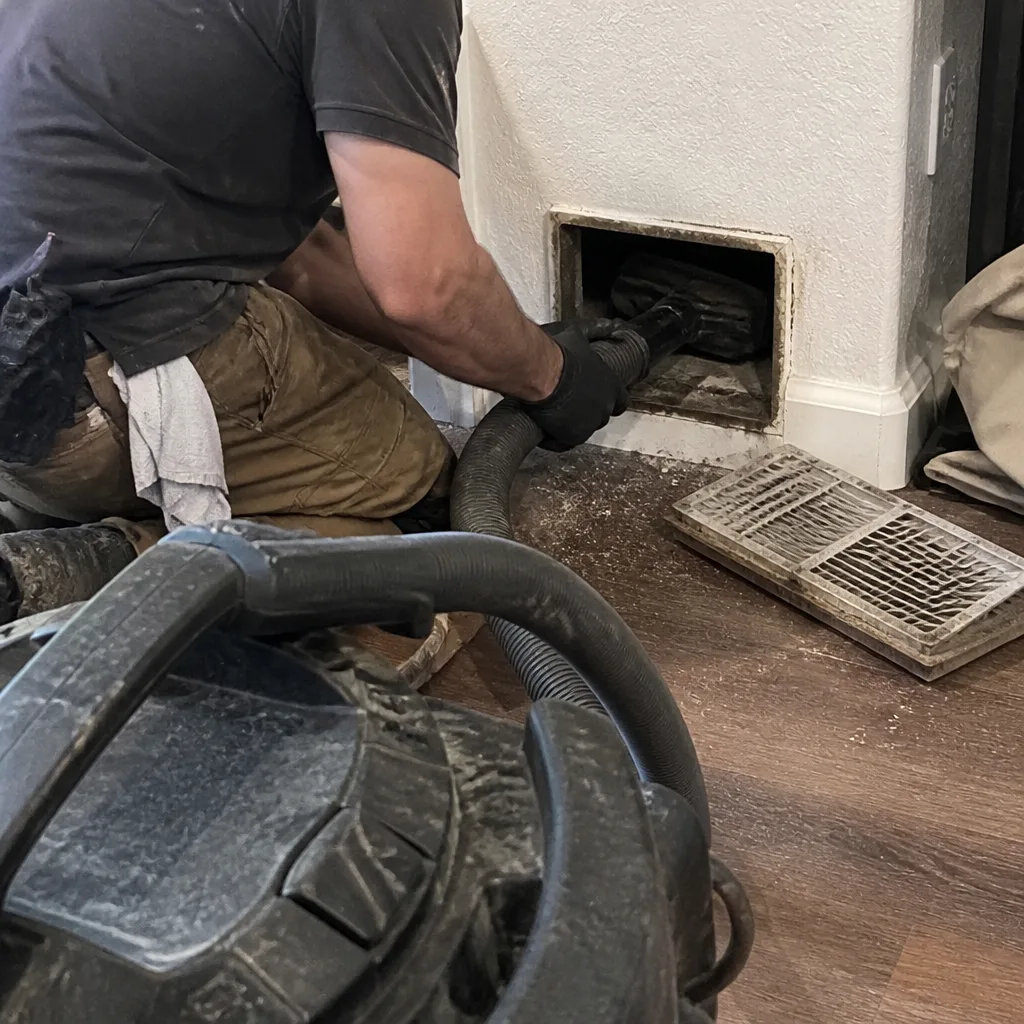 Before
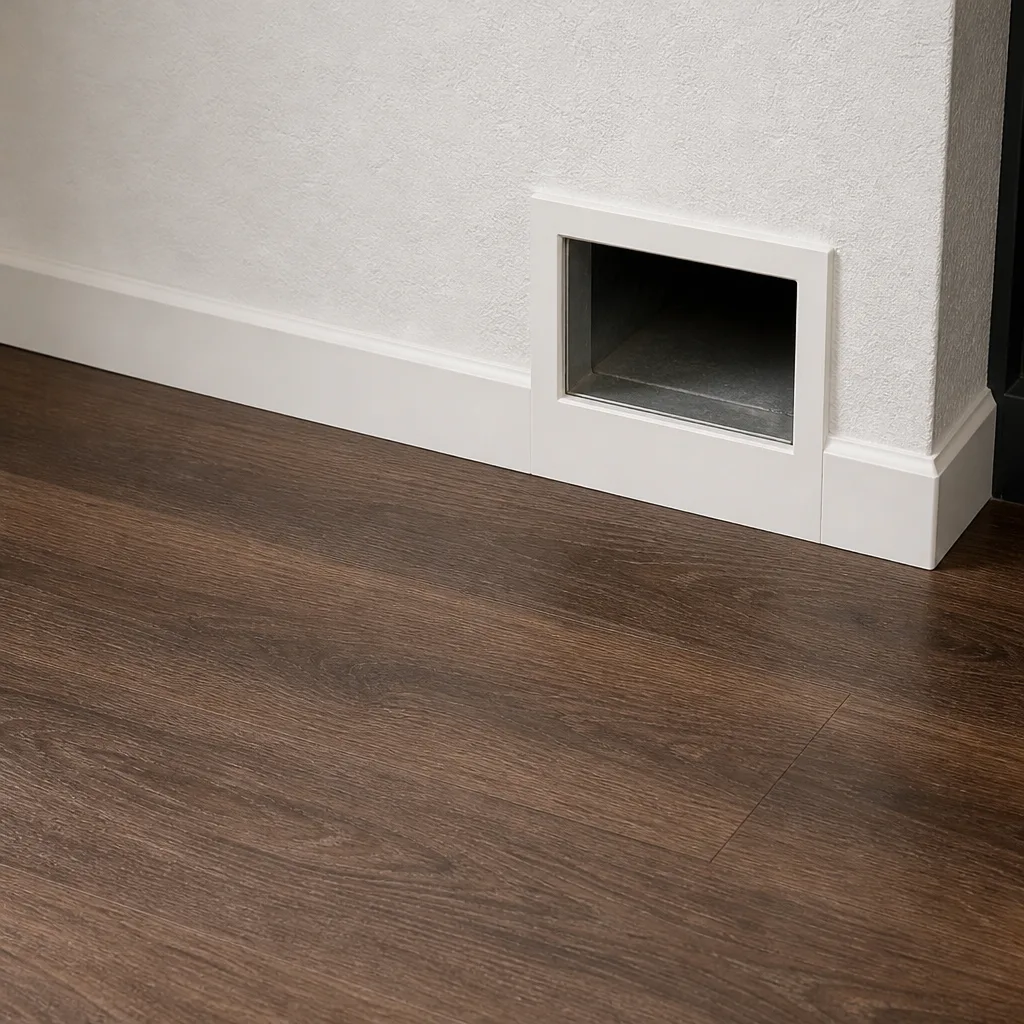 After
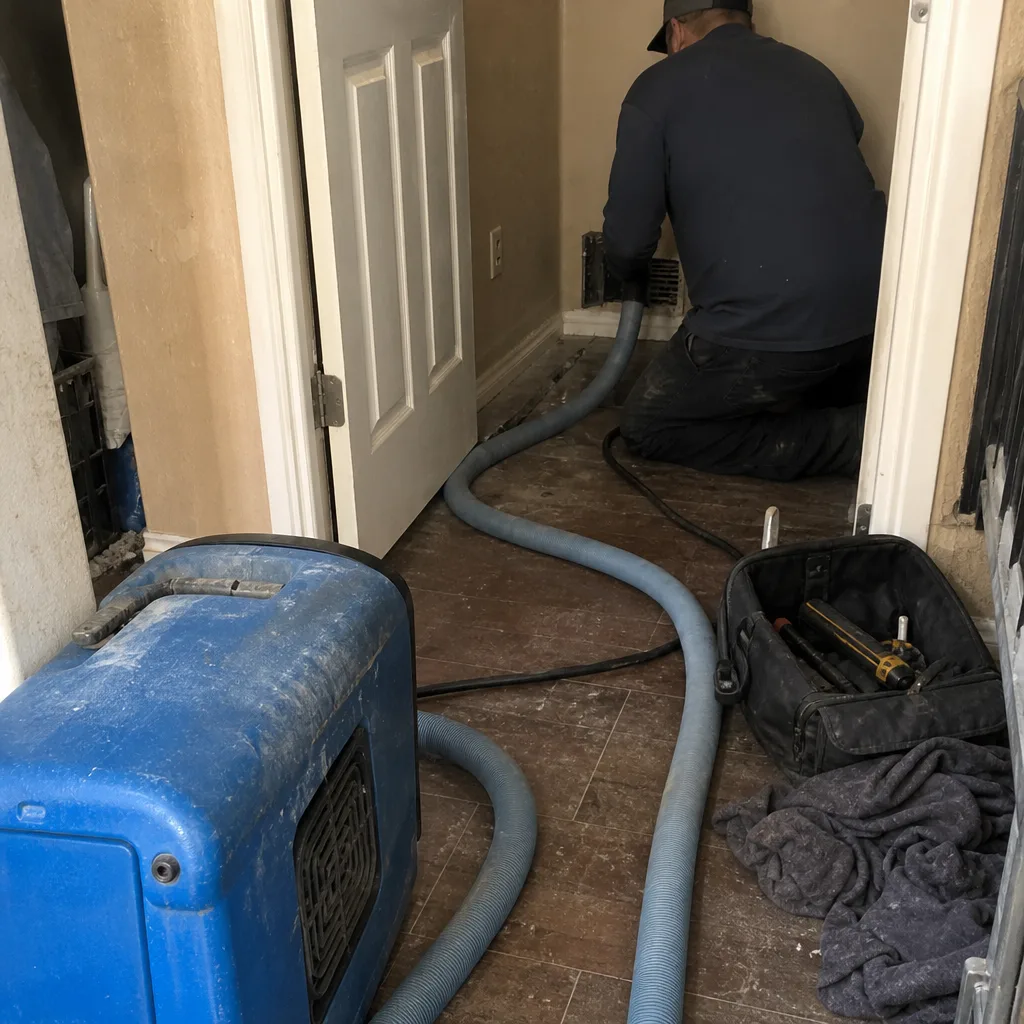 Before
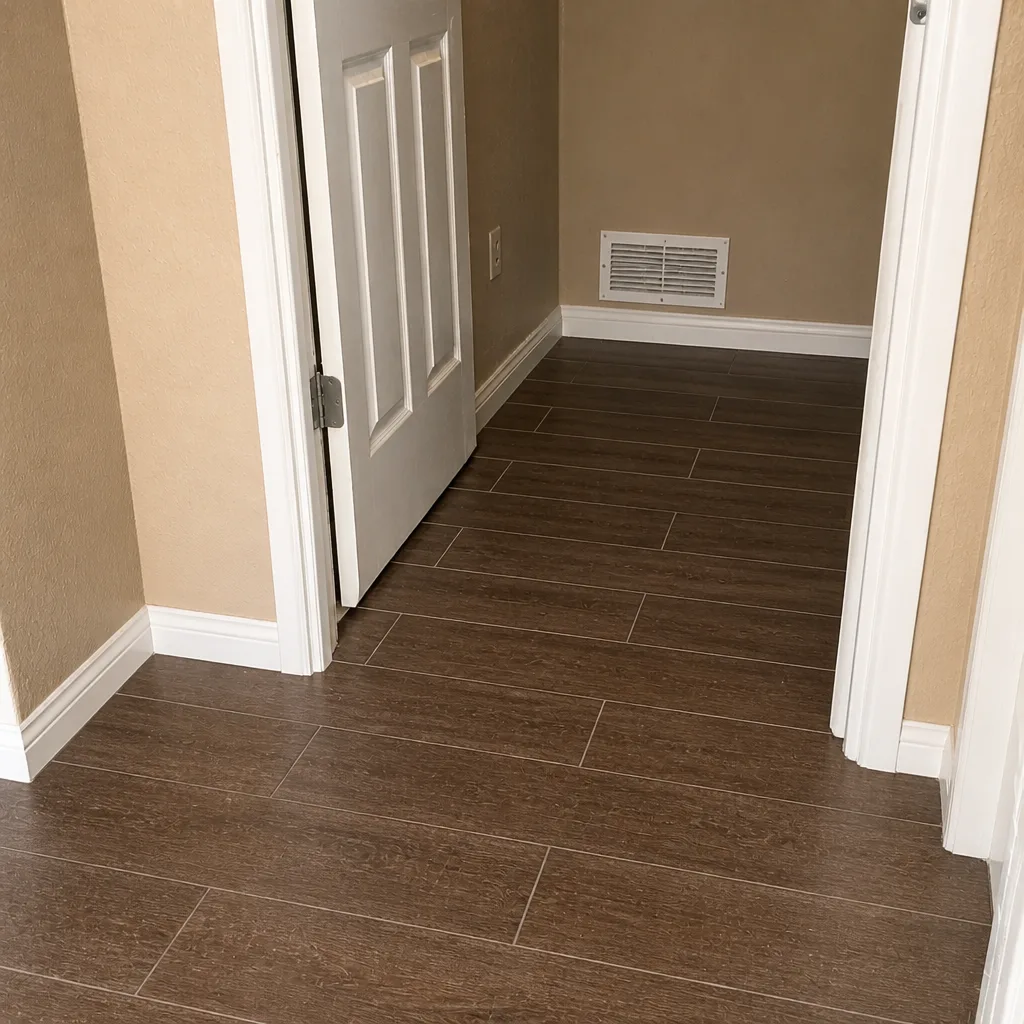 After
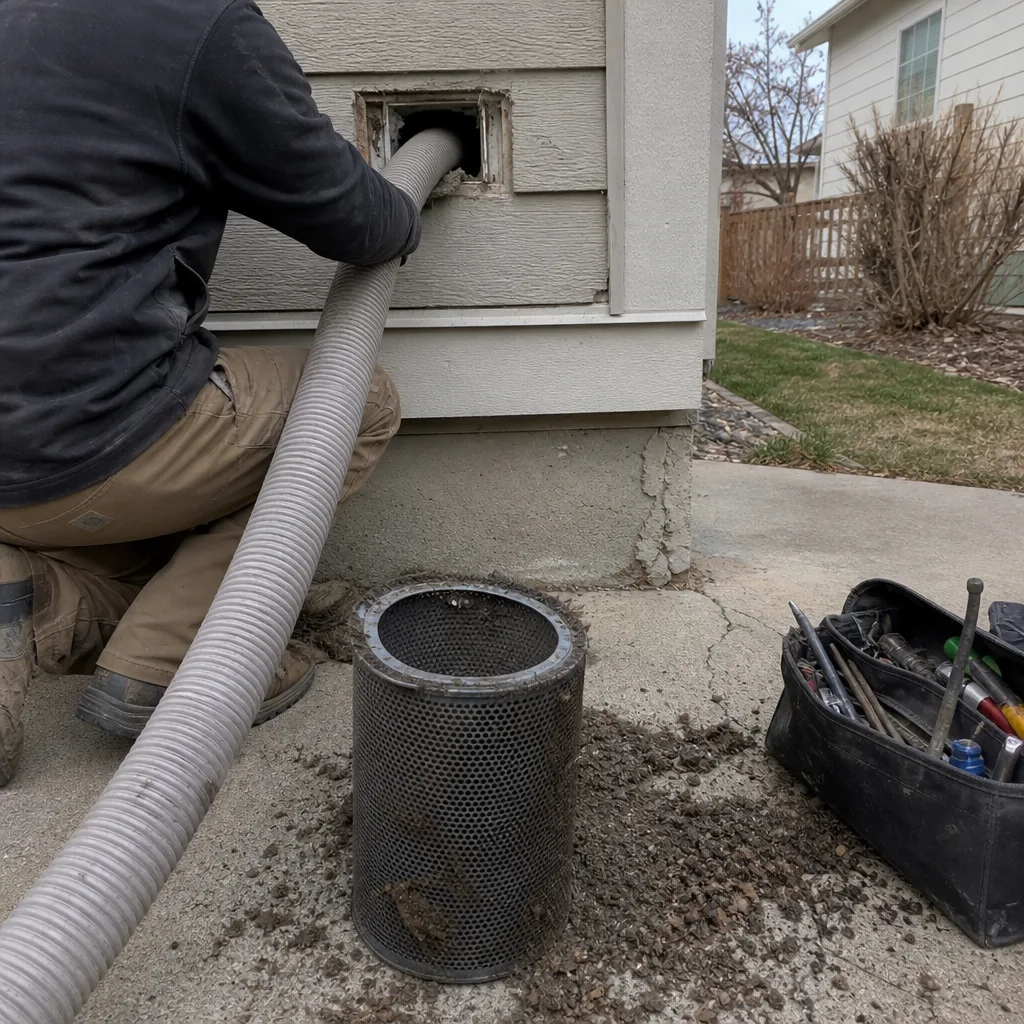 Before
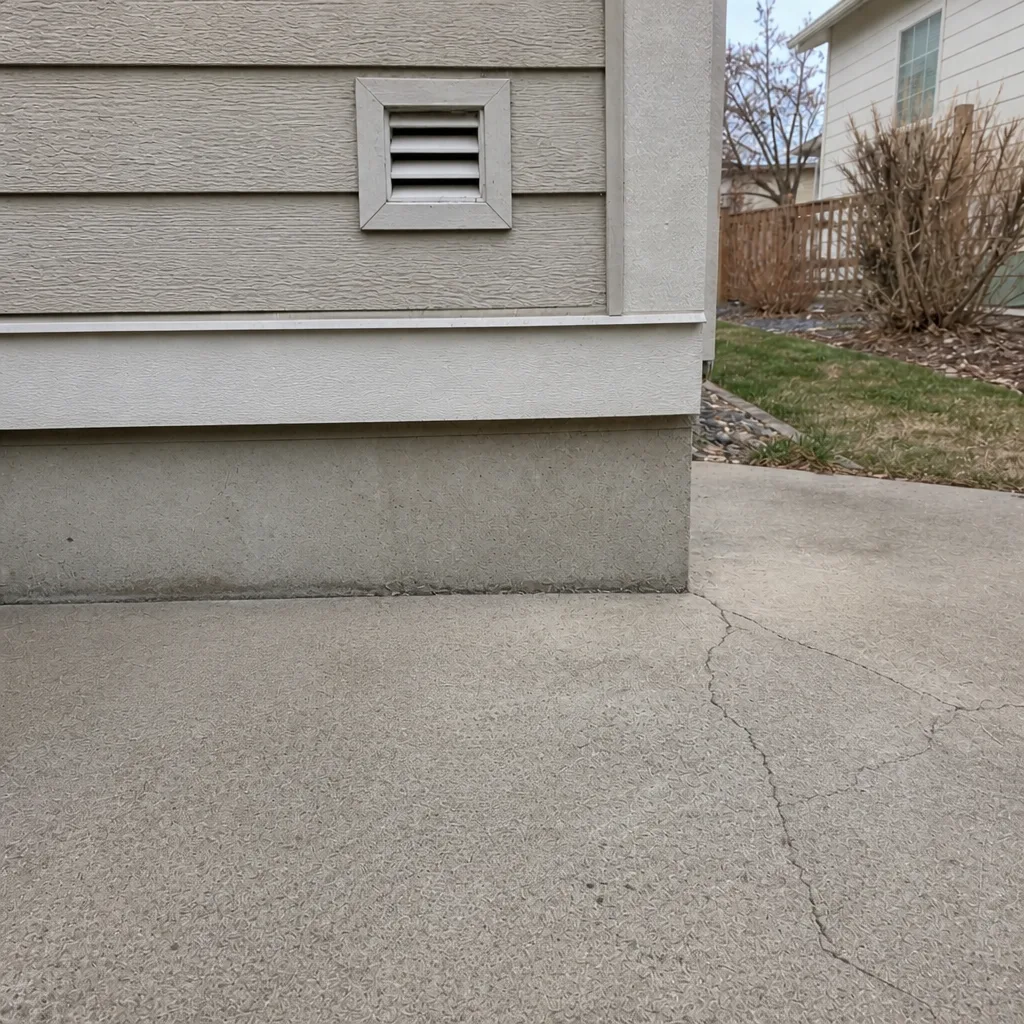 After
When to Call a Professional
Call a professional when your own inspection turns up heavy buildup in the return or trunk, a dust-caked coil or blower, visible duct damage or disconnected runs, or a musty smell that persists after you’ve checked the filter and dampers. Call if your energy bills are climbing with no change in use, if airflow is weak system-wide, or if you’ve already had a cleaning and the problem came back, because that’s the clearest sign the root cause was never addressed. You don’t need a pro for a filter change or a damper check; those are worth doing yourself. But once the question becomes “is this a leak, a coil, or a design problem,” that requires a trained eye and the right tools.
Castle Rock Air Duct Cleaning Pros offers free estimates in Castle Rock. Our technicians have up to 10 years of experience, and we use Rotobrush and Nikro systems alongside Honeywell filtration work to diagnose the whole system, not just the ducts. Call (877) 492-1837 for a free estimate. We answer 24/7. Fast dispatch from 7am to 7pm, Sunday through Friday. A call outside dispatch hours is booked into the next opening, Sunday through Friday, 7am to 7pm. We’re closed Saturday.
Frequently Asked Questions
A dirty coil usually shows up as system-wide weak airflow, a musty smell from the air handler closet, and dust on supply registers even when the return side looks clean. Dirty ducts usually show visible debris inside the vents, a smell strongest at the vents, and dust settling near registers. If you’ve had the ducts cleaned and airflow didn’t improve, check the coil and blower before re-cleaning. Call (877) 492-1837 for an exact quote on a system diagnosis; estimates are free.
Because the cleaning addressed the debris but not the source feeding the smell. Moisture on a wet coil, a damp crawlspace feeding a leaky return, or standing water near the air handler will keep regenerating odor no matter how many times the ducts are cleaned. The fix is to find the moisture source and the leak, then address both. Our air quality and sanitizing service targets odors at the source rather than masking them.
Often every few years for a typical home, but the better rule is to clean when there’s a real reason: visible debris, a persistent smell, a renovation, or a return that runs heavy. Castle Rock’s dry climate means dust stays airborne longer and settles deeper in the system, which can push the interval shorter in homes with long attic duct runs. There’s no fixed number that fits every home. Call (877) 492-1837 for an exact quote; estimates are free.
Because the restriction isn’t in the ducts. Check the filter first, then the dampers, then look for disconnected or kinked flex runs, a leaking trunk, or a dirty blower and coil. Cleaning doesn’t fix leaks or equipment problems, which is why airflow often doesn’t change after a cleaning that was answering the wrong question. Duct repair and sealing is the fix when the cause is a leak. Call (877) 492-1837 for a free estimate.
Not on its own. Cleaning improves air quality and removes contamination, but energy loss usually comes from leaks in the duct system or inefficiency at the equipment. Sealing the ducts and cleaning the coil and blower are what recover efficiency. If bills are climbing in a Castle Rock home with attic duct runs, a sealing assessment is worth doing alongside any cleaning. Call (877) 492-1837 for an exact quote; estimates are free.
Yes. Because duct repair and sealing is a core service rather than a separate contractor’s job, the same visit can find the leaks, seal them, and clean the system once the contamination has nowhere new to enter. That sequencing is what makes the result last instead of returning in a year. Call (877) 492-1837 for a free estimate. For dryer-related airflow problems, our dryer vent cleaning covers a fire-risk service many duct-only companies skip.
The Bottom Line
The recurring complaints that bring people to duct cleaning troubleshooting in Castle Rock are usually symptoms of something upstream. Weak airflow, returning musty odors, and dust that comes back after cleaning almost always trace to a dirty coil or blower, unsealed duct joints, a moisture source, or a filter and damper issue, none of which a cleaning alone fixes. Diagnose before you spend. Start with the free checks, do the visual inspection, and note where the smell and the airflow actually differ. When the answer is a leak, seal it. When it’s equipment, clean it. When it’s contamination, clean the whole pathway. That sequencing is the difference between a fix that lasts and a repeat visit next year. Air you can trust in every room comes from a system that’s clean, sealed, and running right, top to bottom.
Written by the team at Castle Rock Air Duct Cleaning Pros.