
Last updated November 25, 2026
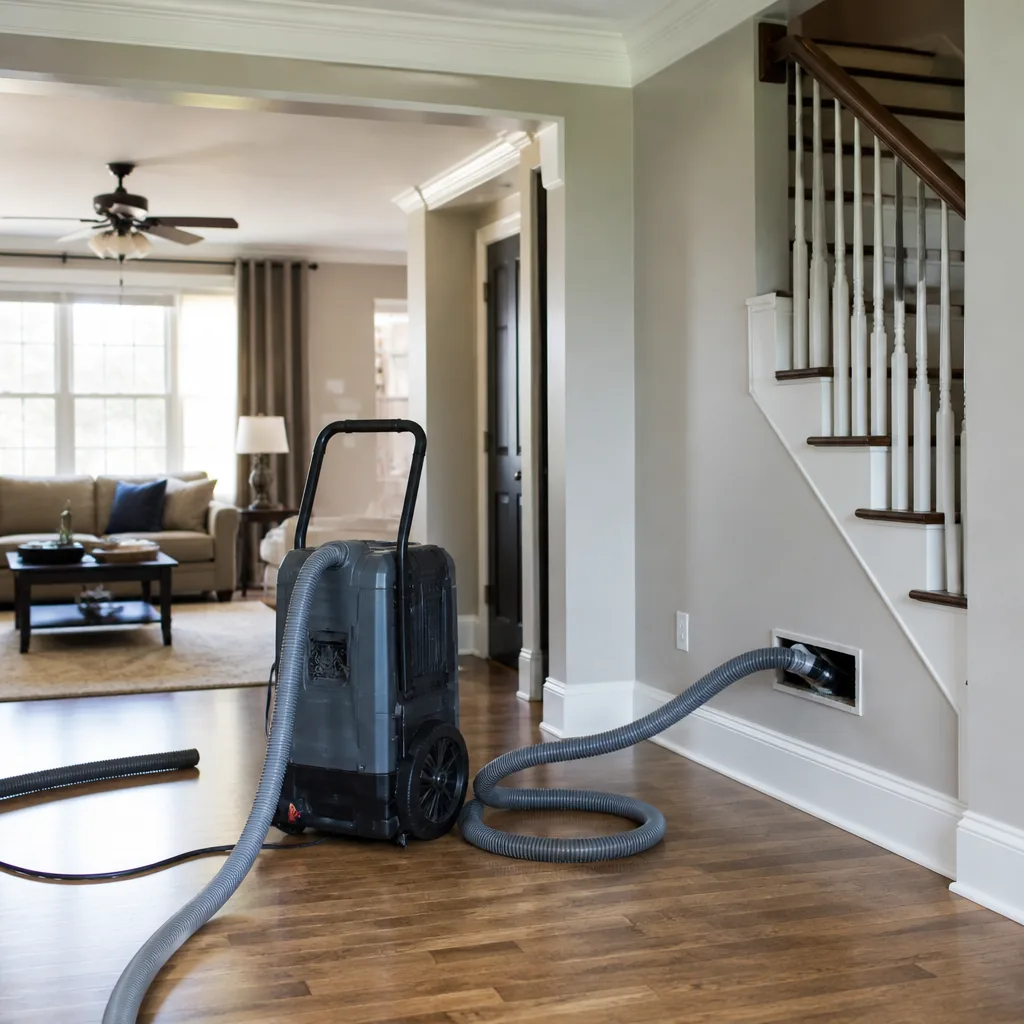 Whole-home duct cleaning
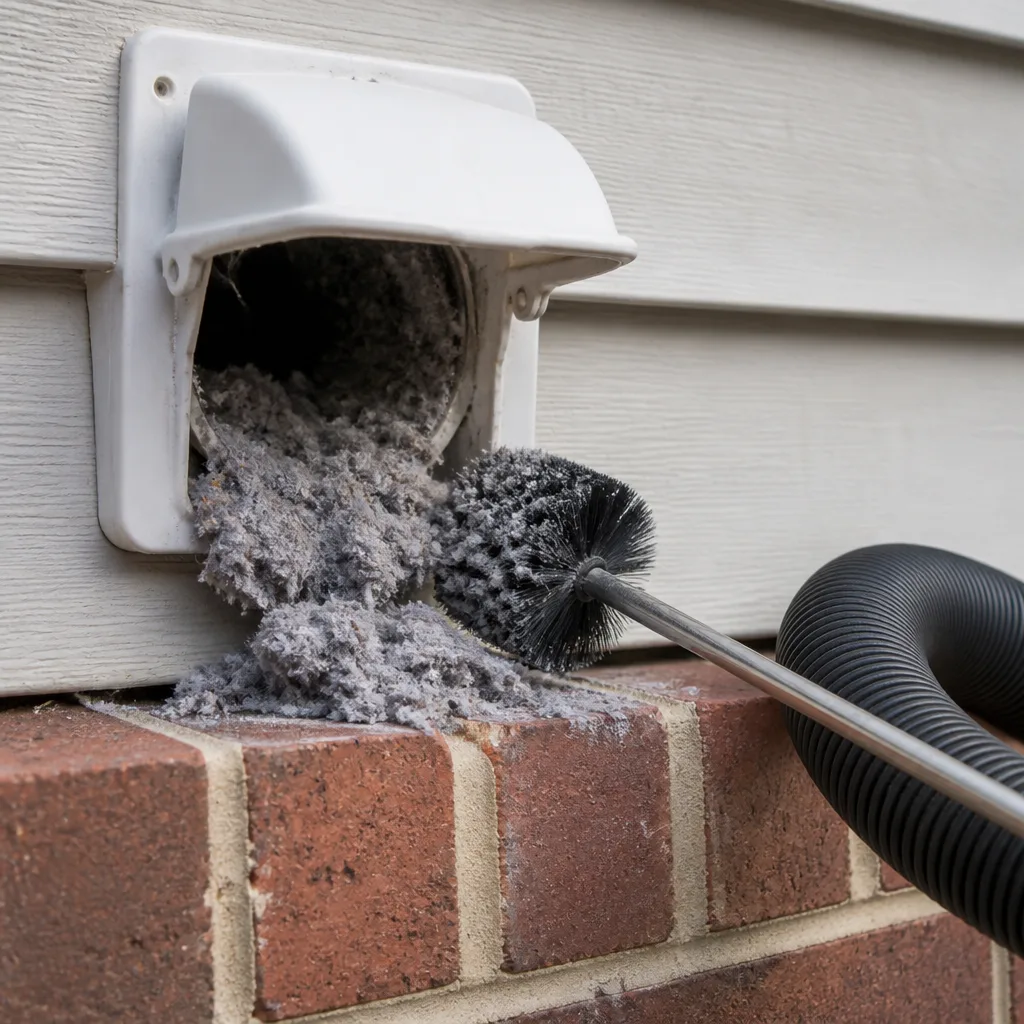 Dryer vent cleaning
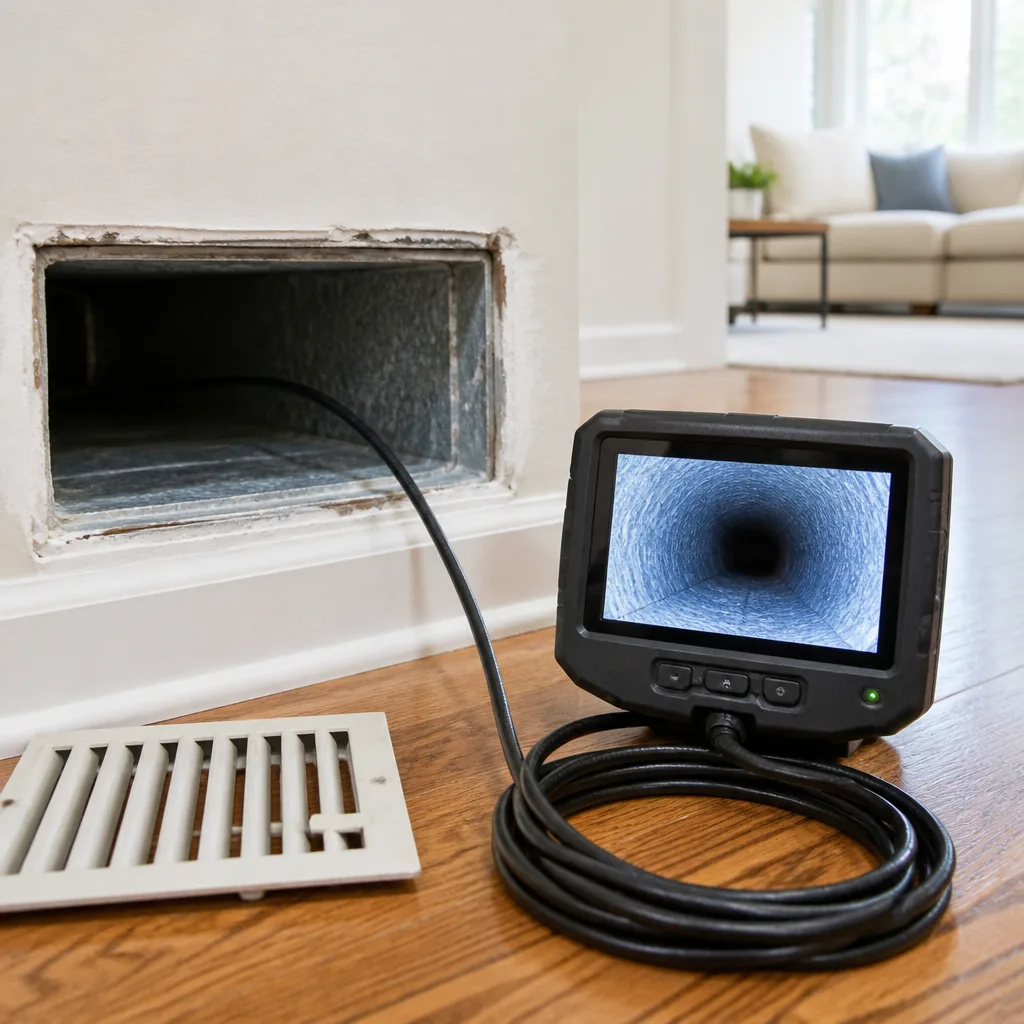 Camera inspection
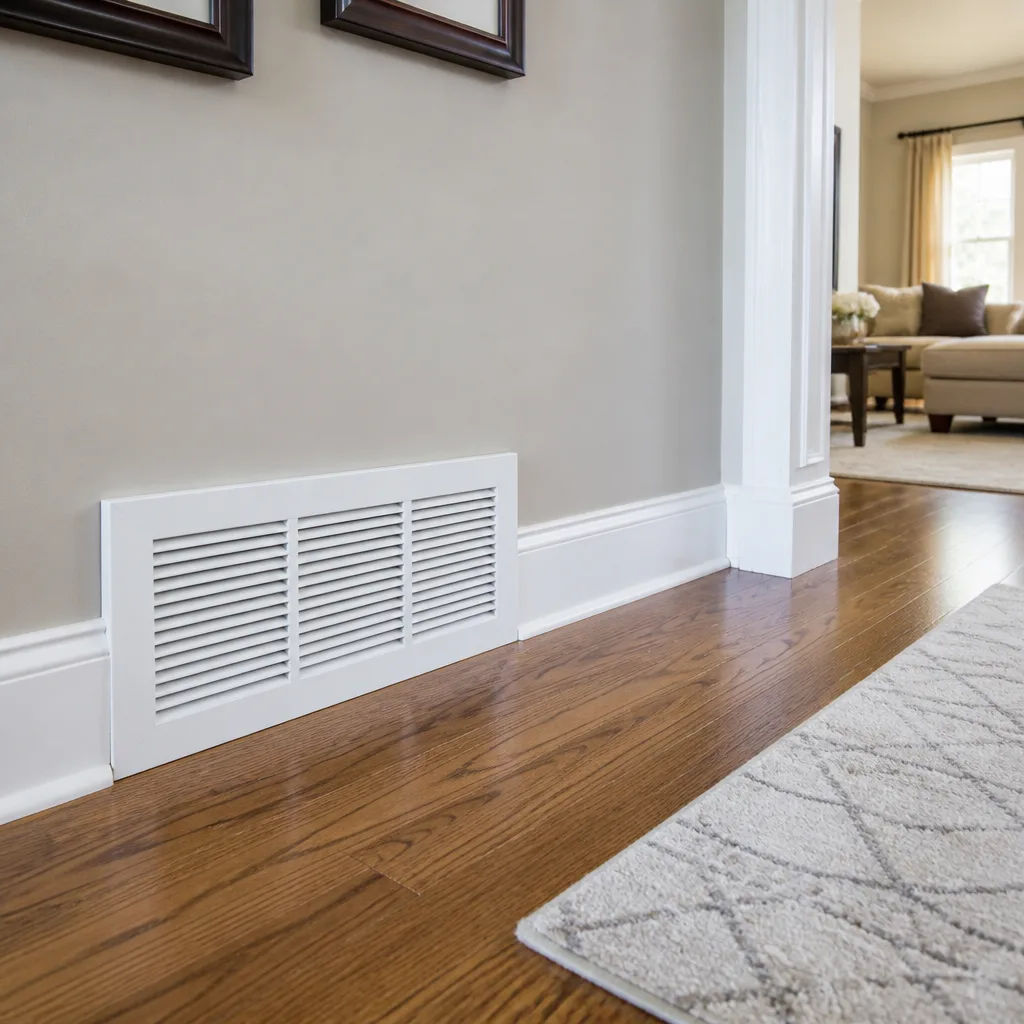 Sanitizing & deodorizing
Whole-system duct and dryer vent check with before-and-after photos - you see exactly what came out of your vents
That "$99 whole-house special" is a bait ad - the real number appears once they are in your hallway, or the "clean" is a shop-vac at the register. We photograph the inside of your ducts before and after instead.
Air Duct Cleaning Emergency Preparedness Guide for Castle Rock Homes
Most homeowners treat duct cleaning as routine maintenance, something to schedule when the vents look dusty. That’s the wrong frame for Castle Rock. During the 2020 wildfire smoke events that blanked the area, indoor PM2.5 in homes running standard HVAC systems in auto mode climbed higher than outdoor ambient air, because those systems were pulling smoke-laden outside air straight across fouled return ducts. Wildfire smoke, high-altitude dryness, fast construction corridors, and sudden water intrusion each leave a different signature inside your ductwork, and each calls for a different response. This guide gives you a concrete protocol for before, during, and after each event type, so you know what to check, what to document, and when to bring in professional equipment.
Quick Answer
After a wildfire smoke event, a renovation, or a burst pipe, air duct cleaning in Castle Rock should begin with a full pathway inspection before the system runs normally again, then move to cleaning, repair and sealing, and sanitizing of the entire air delivery network from the HVAC unit to each vent. A standard vacuuming of visible vents does not clear smoke, drywall dust, or moisture-driven contamination from duct interiors. Full-system cleaning with commercial-grade equipment is what restores indoor air quality after an event.
Styles & brands we work with
- Whole-home duct cleaning
- Dryer vent cleaning
- Camera inspection
- Sanitizing & deodorizing
Table of Contents
- Why Castle Rock Ductwork Faces Unusual Emergency Loads
- Pre-Season Wildfire Smoke Checklist
- What to Do in the First 48 Hours After a Smoke Event
- Post-Renovation Protocol for Construction-Active Neighborhoods
- Post-Flood and Burst-Pipe Contamination
- How to Document Duct Contamination for an Insurance Claim
- Common Mistakes to Avoid
- When to Call a Professional
Why Castle Rock Ductwork Faces Unusual Emergency Loads
Castle Rock sits high on the Palmer Divide, and the combination of elevation, dry air, and exposure to Front Range smoke plumes makes the local air quality story different from what you’d find in a lower, wetter city. Wildfire smoke from fires burning anywhere along the Front Range or further west can settle over the town for days. Construction is ongoing across the newer corridors, and the dust that follows framing, drywall, and spray foam work migrates through return ducts faster than most people expect. Winters bring deep temperature swings, and a pipe that fails in a cold snap can send water into the same ductwork that carries your heated air.
Our technicians have up to 10 years of experience, and what stands out in Castle Rock is how often the same home gets hit by more than one of these events in a short stretch. A home that ran through a smoke event in late summer may then undergo a kitchen renovation in fall and a frozen pipe repair in winter. Each event deposits its own material inside the duct system, and if the ducts aren’t cleaned between events, contaminants stack up. That stacking is why a single maintenance visit every few years often isn’t enough here.
The other local factor is the way homes are built. Many Castle Rock houses are tightly sealed against the cold, which keeps heat in but also traps whatever gets drawn into the return side. When a system runs in auto mode during a smoke event, it cycles air that carries particulates, and a fouled return duct concentrates those particulates rather than filtering them out. Full-system service, from the HVAC unit down to the individual vents, is what actually clears that load. A vent-only cleaning leaves most of it in place.
Pre-Season Wildfire Smoke Checklist
The best time to prepare for smoke season is before the first plume arrives. A few upgrades made in spring or early summer make a measurable difference when the air outside goes bad. Here’s the checklist we walk homeowners through in Castle Rock ahead of fire season.
- Upgrade your filter to MERV-13 or higher. Standard fiberglass filters catch almost nothing at smoke-particle size. A MERV-13 filter catches far more, but check your system’s rated maximum before you install one, since too high a rating can choke airflow.
- Replace weather-stripping on return registers. Worn gaskets let unfiltered air bypass the filter at the return. Fresh stripping keeps the path sealed.
- Set your system to circulate rather than continuous fan. Continuous fan mode pulls outside air in more consistently. Circulate mode, or auto with a good filter, limits how much smoke enters.
- Close fresh-air intakes where your system has them. Some HVAC setups have a damper for outside air. Know where yours is so you can close it when smoke arrives.
- Schedule a full-pathway inspection before fire season. A dirty return duct holds the load it needs to feed smoke particles into the living space. Clean ducts before the season start it fresh.
If your ducts already look dark inside, or your filter clogs faster than usual, cleaning before the season is worth more than cleaning during it. Our air duct cleaning covers the whole pathway, which is the part that matters when smoke is in the air.
What to Do in the First 48 Hours After a Smoke Event
When the smoke clears, don’t just flip the system back to normal and assume all is well. The first 48 hours are when the right sequence matters. Follow this inspection order before you resume normal HVAC operation.
- Keep the system off until the outdoor air clears. Running the fan while smoke is still heavy keeps drawing particles in through any unsealed path.
- Check and photograph the return filter. A filter that has gone gray or dark in a short window tells you particulates reached the system. Note the date and condition.
- Inspect the return registers and duct interiors you can see. Look for soot film, dark residue, or an ash smell. Any visible residue means the system pulled smoke in.
- Smell-test the vents in each room when the system is off. Persistent smoke odor from a vent means the duct interior holds contamination, not just the filter.
- Have the duct pathway professionally inspected and cleaned before resuming full operation. Smoke particles settle on every interior surface. Cleaning with commercial-grade equipment clears them; a filter swap alone doesn’t.
Rotobrush and Nikro systems, the same commercial-grade cleaning equipment professional HVAC contractors use, are what we run through the full pathway to lift smoke residue and ash from duct interior surfaces. Once the ducts are clean, sanitizing addresses the odors and biological contaminants left behind. That’s the sequence: inspect, clean the whole system, then sanitize.
Post-Renovation Protocol for Construction-Active Neighborhoods
Castle Rock’s newer growth corridors see a lot of renovation and new construction, and drywall dust is the quiet problem in the middle of it. Drywall dust is fine, alkaline, and sticky once it settles, and it coats duct interiors in a way that ordinary dusting can’t reach. Add spray foam off-gassing and foam particulate from cut debris, and a renovation can leave duct surfaces carrying both particulates and chemical residue.
Here’s the cleaning standard that actually clears it:
- Seal return and supply registers during the dusty phase. A temporary cover on every register keeps drywall dust out of the system while walls are being sanded and taped.
- Change the filter at the end of demo and again after sanding. Drywall phase and finish phase each load the filter heavily.
- Clean the entire pathway after the work is done, not just the visibly dusty vents. The dust that matters has migrated into the trunks and return runs.
- Repair and seal any joints opened during the renovation. Construction often leaves gaps in rigid duct and loose flex connections. Gaps pull unfiltered air and dust into the system.
- Sanitize after cleaning when spray foam or finish chemicals were involved. Cleaning clears particulate; sanitizing addresses residual odors and biological material.
We treat duct repair and sealing as a core service here, not an upsell afterthought. Finding the leak and sealing it after cleaning is what stops the next construction project from recontaminating the system. If your construction-active neighborhood in Castle Rock is in the middle of a build-out, timing the cleaning right after the dusty phases finish gives you the cleanest result.
Post-Flood and Burst-Pipe Contamination
Water in a duct system is a different emergency from dust or smoke, and the clock matters more. When a pipe bursts or a flood sends water into the supply or return runs, duct interiors that stay damp become a growth environment for mold and bacteria. The question isn’t whether contamination is there, it’s how far it has spread and whether it can be dried and cleaned or needs remediation.
The moisture window is the deciding factor. Ducts that got wet and were addressed quickly, with the water stopped, the interior dried, and the pathway cleaned, can usually be returned to service with cleaning and sanitizing. Ducts that stayed damp for days, or that show visible mold growth on interior surfaces, typically call for mold remediation rather than a straightforward cleaning pass. Surface contamination you can see, smell, or that a professional inspection finds means treatment, not just drying.
After a burst pipe or flood in Castle Rock, the steps to take are:
- Stop the water source and shut off the HVAC system immediately.
- Document the water intrusion with photos and notes before any cleanup.
- Have the duct pathway drained and dried with commercial drying equipment, not household fans alone.
- Have the interior inspected for mold and contamination once dried.
- Clean the whole pathway and sanitize, or escalate to remediation if the inspection shows establishment of mold.
Our HVAC cleaning covers the equipment and ductwork together, since water that reached the ducts often reached the air handler too. Sanitizing work here follows Guardsman-level protection standards, which matters after a contamination event because a surface wipe is not the same as treating the whole interior.
How to Document Duct Contamination for an Insurance Claim
An insurance claim for duct contamination from fire, flood, or smoke damage is decided largely on documentation. Homeowners who photograph and record the damage well before cleaning begins tend to have a smoother claim than those who clean first and try to reconstruct the record afterward. If a covered event has hit your Castle Rock home, follow this documentation sequence.
- Photograph every register, return, and the air handler. Get room-by-room shots showing the condition of each vent and duct opening.
- Record the date, time, and nature of the event. Note when the smoke arrived, when the water intrusion happened, or when the renovation dust began.
- Keep the damaged filter. Bag it, label it, and keep it as evidence of what the system drew in.
- Get a professional written inspection before cleaning. An inspection that describes the contamination and scope, with photos, is more useful to an adjuster than a claim alone.
- Save the cleaning and remediation invoice. A detailed scope and the cleaning standard used support the claim.
We can work with your insurer and provide a written scope and photos of the system condition, which is the kind of record adjusters ask for. The insulation upgrades people add in Castle Rock for energy reasons also make the home hold contaminants longer, so documenting contamination within a few days of the event, not weeks, is worth the effort.
Common Mistakes to Avoid
- Only cleaning the visible vents. The contamination lives in the trunks and return runs, not just at the grilles. A vent-only cleaning leaves most of the load in the system.
- Skipping the filter upgrade before smoke season. A cheap filter is a poor barrier. Testing MERV-13 and setting the system to circulate limits smoke entry before the first plume.
- Doing nothing after a renovation until the smell lingers. Drywall dust and spray foam residue settle into the ducts during construction. Cleaning right after the dusty phases clears it before it migrates deeper.
- Cleaning a wet duct system without drying first. Water and cleaning equipment don’t mix cleanly. If a burst pipe hit the ducts, drying and inspection come first.
- Waiting weeks to document a smoke or flood event. Insurers want evidence close to the event. Photos and a written inspection taken within days are stronger.
- Assuming the air handler is clean because the ducts were cleaned. The HVAC unit is the front of the air pathway. Cleaning the ducts but leaving the air handler contaminated leaves the source in place.
- Skipping duct repair and sealing. A cleaned duct that’s still leaking will pull dust and smoke back into the system. Sealing the leaks is what keeps the system clean.
When to Call a Professional
Some duct contamination is beyond what a homeowner can manage with a filter and a vacuum. Call a professional if smoke odor persists from the vents after a wildfire event, if a burst pipe or flood sent water into the ductwork, if a renovation left visible dust or off-gas odors inside the system, if anyone in the home has worsening allergies or asthma symptoms, or if your energy bills climb without explanation. Also call if you’ve found visible mold or dark growth on any duct interior surface. Our team offers free estimates in Castle Rock. Call (877) 492-1837 for a whole-system assessment. We answer 24/7, with fast dispatch from 7am to 7pm, Sunday through Friday.
See the difference
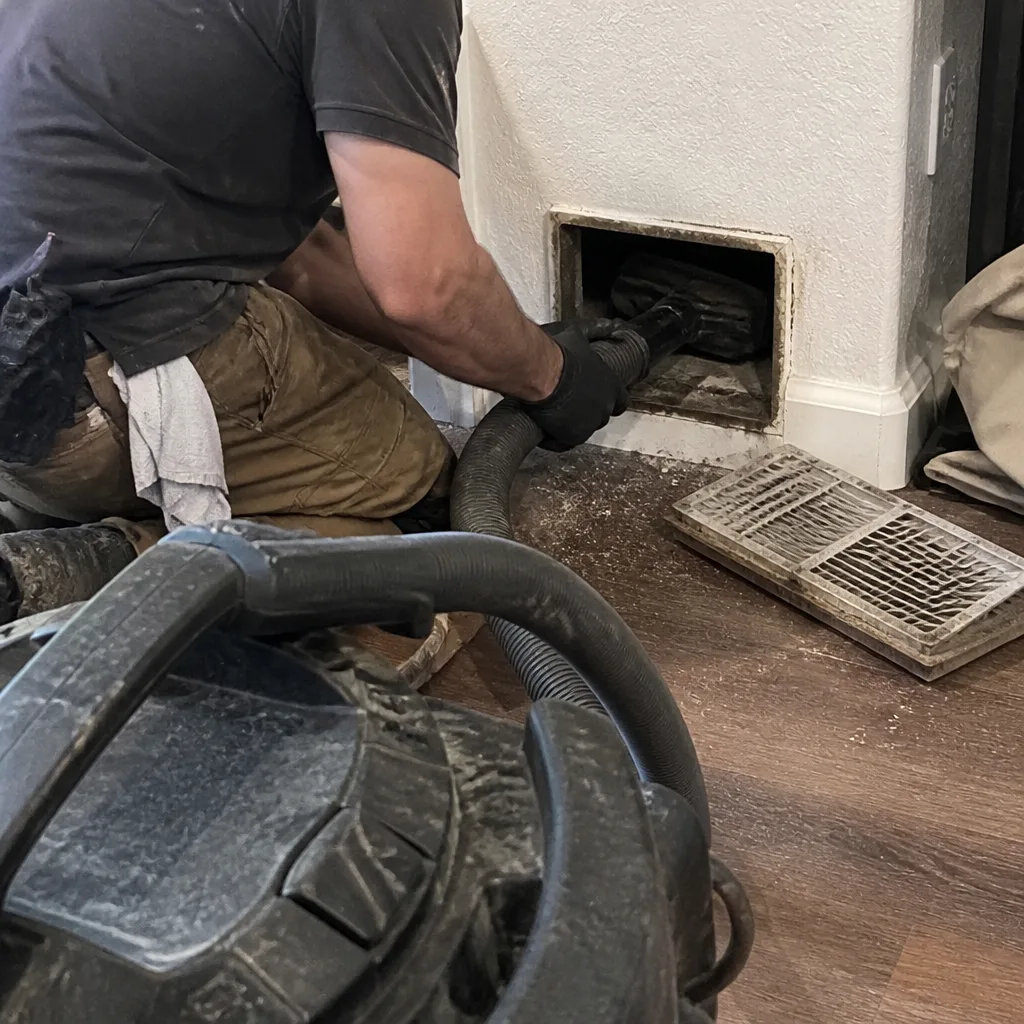 Before
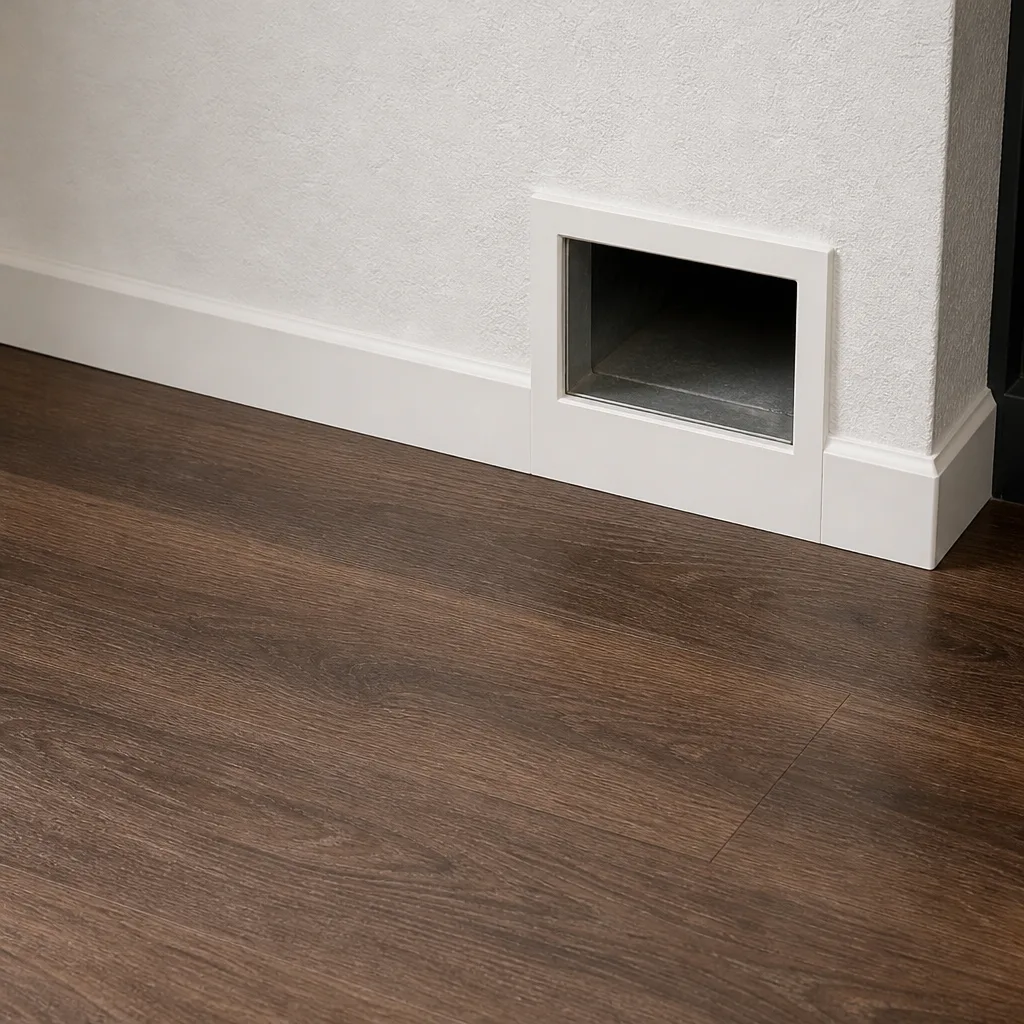 After
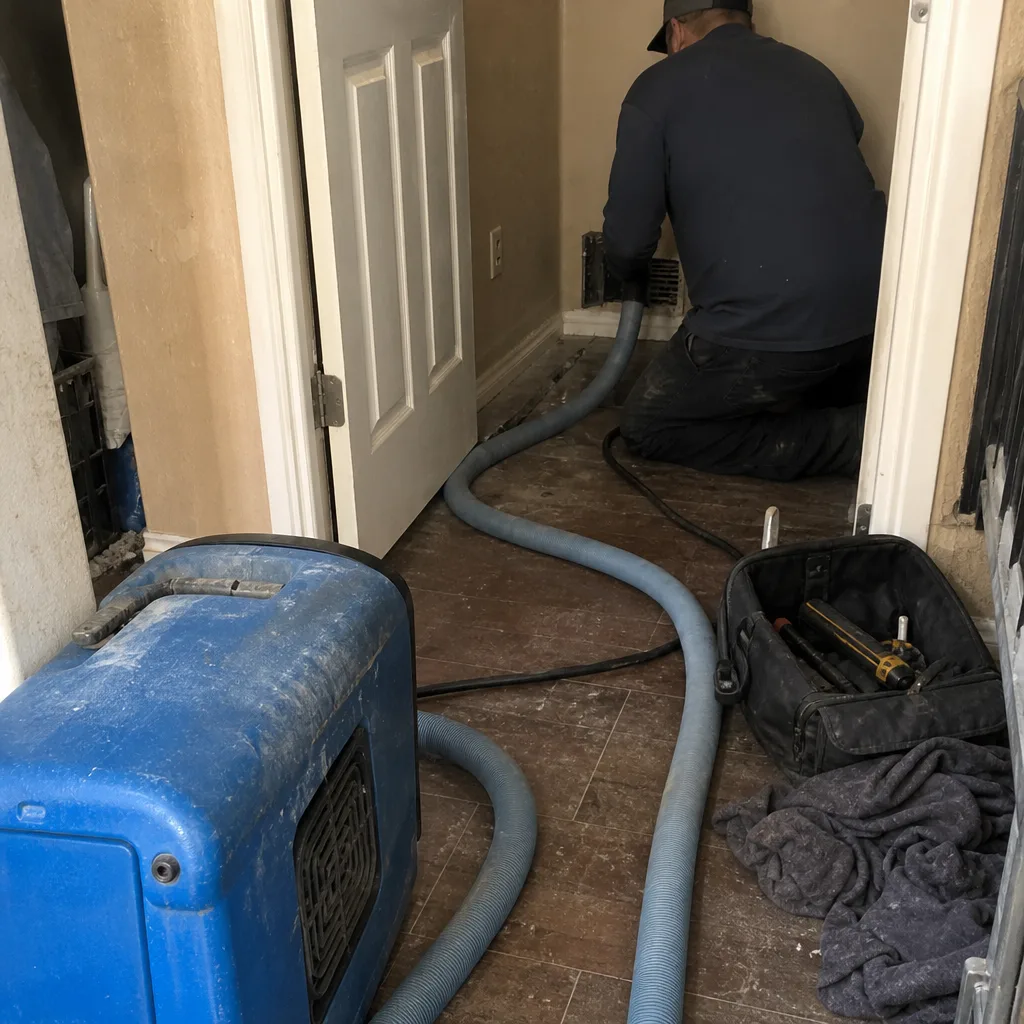 Before
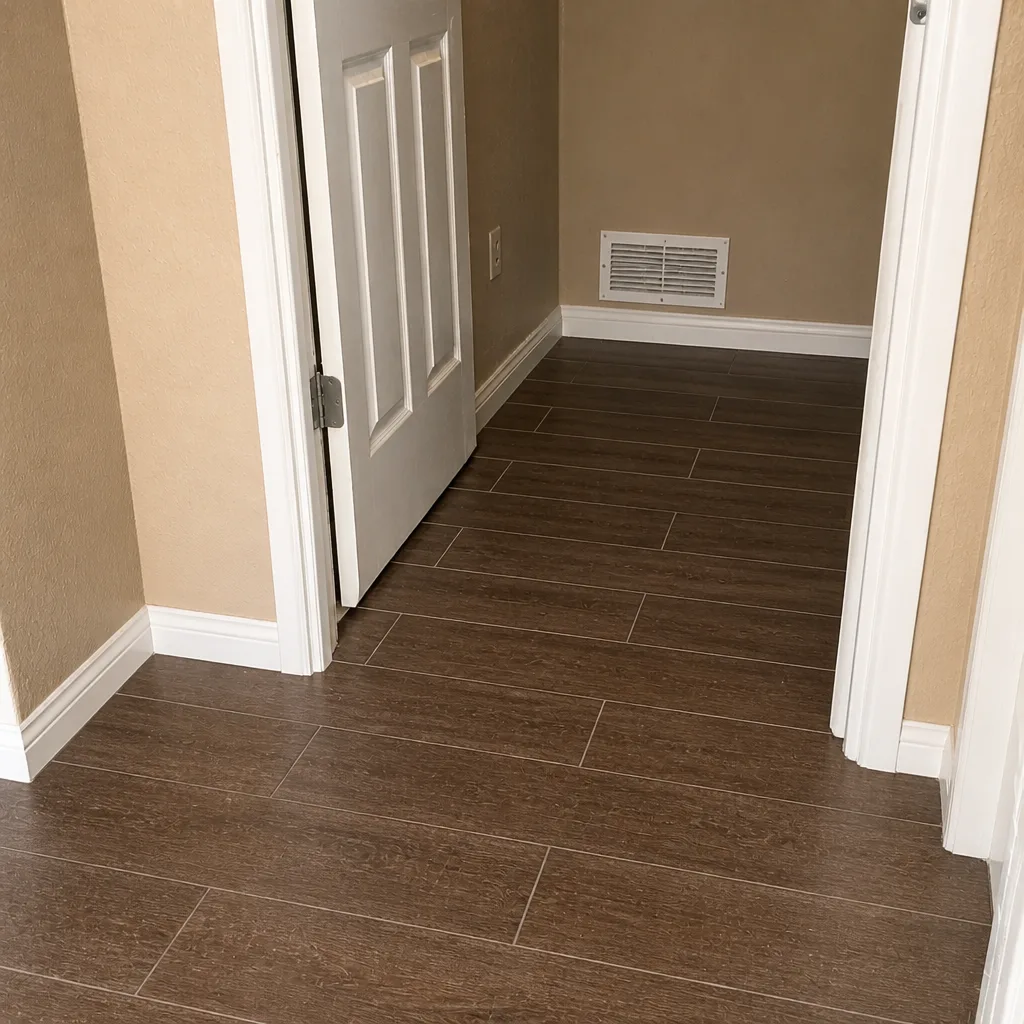 After
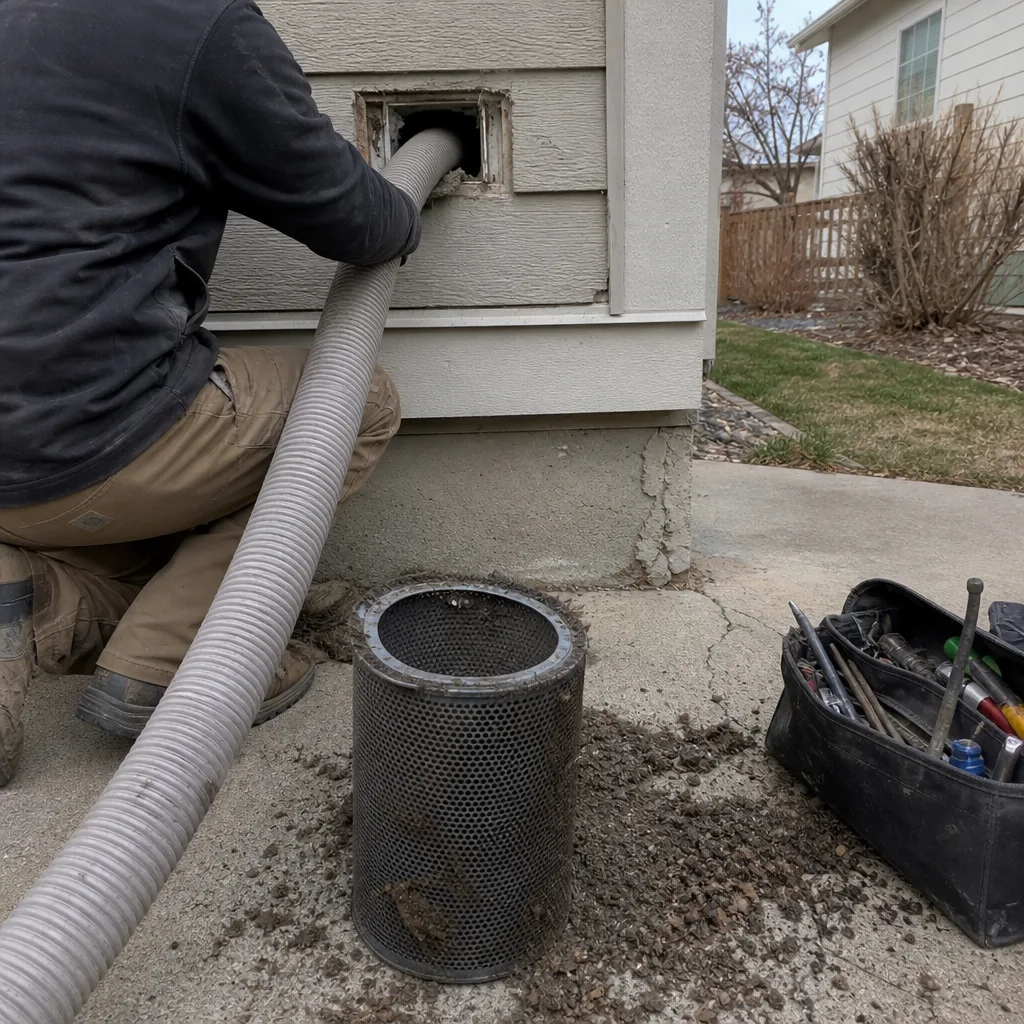 Before
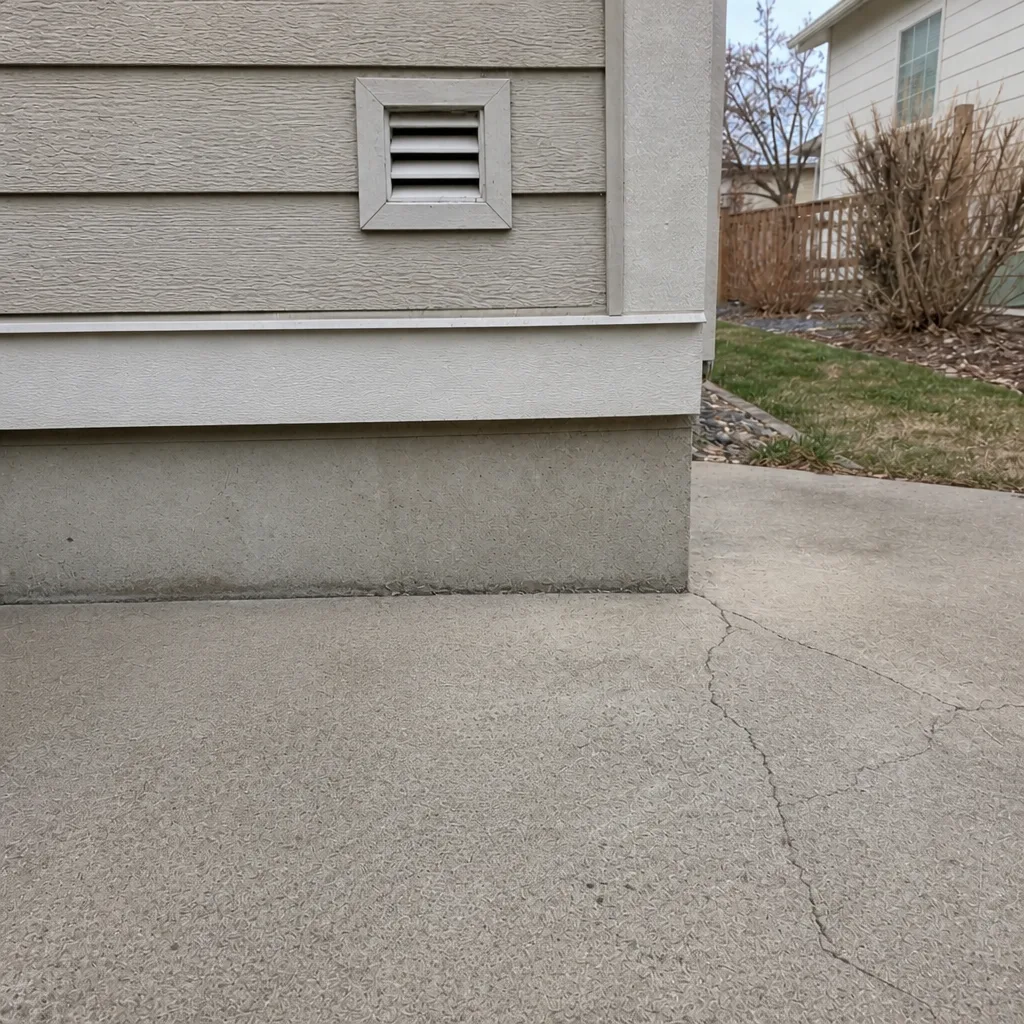 After
Frequently Asked Questions
Air duct cleaning after wildfire smoke in Castle Rock is priced per system by a written estimate, so there’s no per-vent rate and no teaser coupon figure. Whole-system cleaning ranges from a basic pathway clean to a deep clean with sanitizing, and the estimate sets the final price. Call (877) 492-1837 for an exact quote; estimates are free.
You know the work was done when you have before-and-after photos of your own ducts and a written scope that lists every section cleaned. Ask for both. Ask for a walk-through of the pathway that was cleaned. Before-and-after photos of the actual system are how you confirm the work, which is why we provide them as part of every job.
Cheaper quotes usually reflect a vent-only vacuum rather than a full-pathway clean, or equipment that can’t reach duct interior surfaces the way commercial-grade systems do. After a smoke event, what matters is the whole pathway, and that standard costs more to meet. A written estimate that specifies the scope tells you what you’re actually buying. Call (877) 492-1837 to compare scope, not just price.
Castle Rock ductwork benefits from cleaning after each major event (smoke, renovation, water intrusion) plus a routine full-system clean every few years for maintenance. Homes with pets, allergies, or recent construction often need it more often. If your filter clogs quickly or vents smell off, that’s a signal to clean rather than wait.
Yes, we clean ductwork after water intrusion and handle the sanitizing as part of the same job. The sequence is drying and inspection first, then cleaning, then sanitizing under Guardsman-level standards. If inspection finds established mold, the work escalates to remediation rather than a simple clean. Call (877) 492-1837 for a free assessment.
Yes, documenting duct contamination before cleaning and keeping a detailed cleaning invoice supports an insurance claim for smoke or water damage. We can work with your insurer and provide photos and a written scope of the system condition. Keep your damaged filter as evidence. Call (877) 492-1837 for a documented inspection.
The Bottom Line
Castle Rock ductwork takes more hits than most, between wildfire smoke, construction dust, and the occasional burst pipe. The pattern that keeps homes comfortable is the same across events: inspect the whole pathway before resuming normal operation, clean the system from the air handler to the individual vents, repair and seal any leaks, and sanitize after smoke, water, or chemical contamination. A vent-only vacuum doesn’t clear the load. Whole-system cleaning with commercial-grade Rotobrush and Nikro equipment, plus the duct repair and sealing that stops recontamination, is what keeps indoor air clean through the next event. One call covers cleaning, repair, and air quality.
Contact Us
Castle Rock Air Duct Cleaning Pros brings commercial-grade equipment and a whole-system approach to every job. We handle dryer vent cleaning, HVAC cleaning, air duct cleaning, and duct repair and sealing, plus sanitizing with Guardsman-standard products and filtration upgrades with Honeywell and Aprilaire. For a free estimate, call (877) 492-1837. We answer 24/7, with fast dispatch from 7am to 7pm, Sunday through Friday. Learn more about our full-service team at Castle Rock Air Duct Cleaning Pros.
Written by the team at Castle Rock Air Duct Cleaning Pros.