
Last updated November 25, 2026
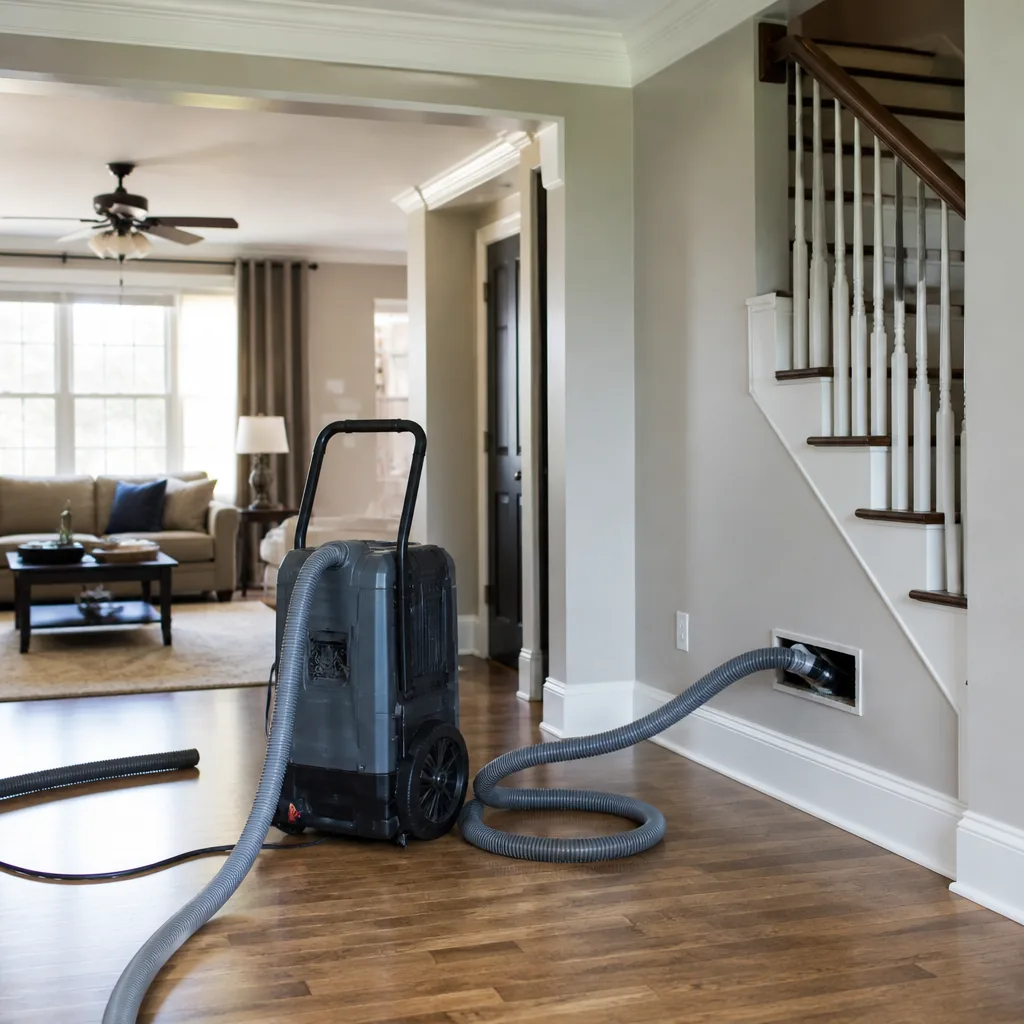 Whole-home duct cleaning
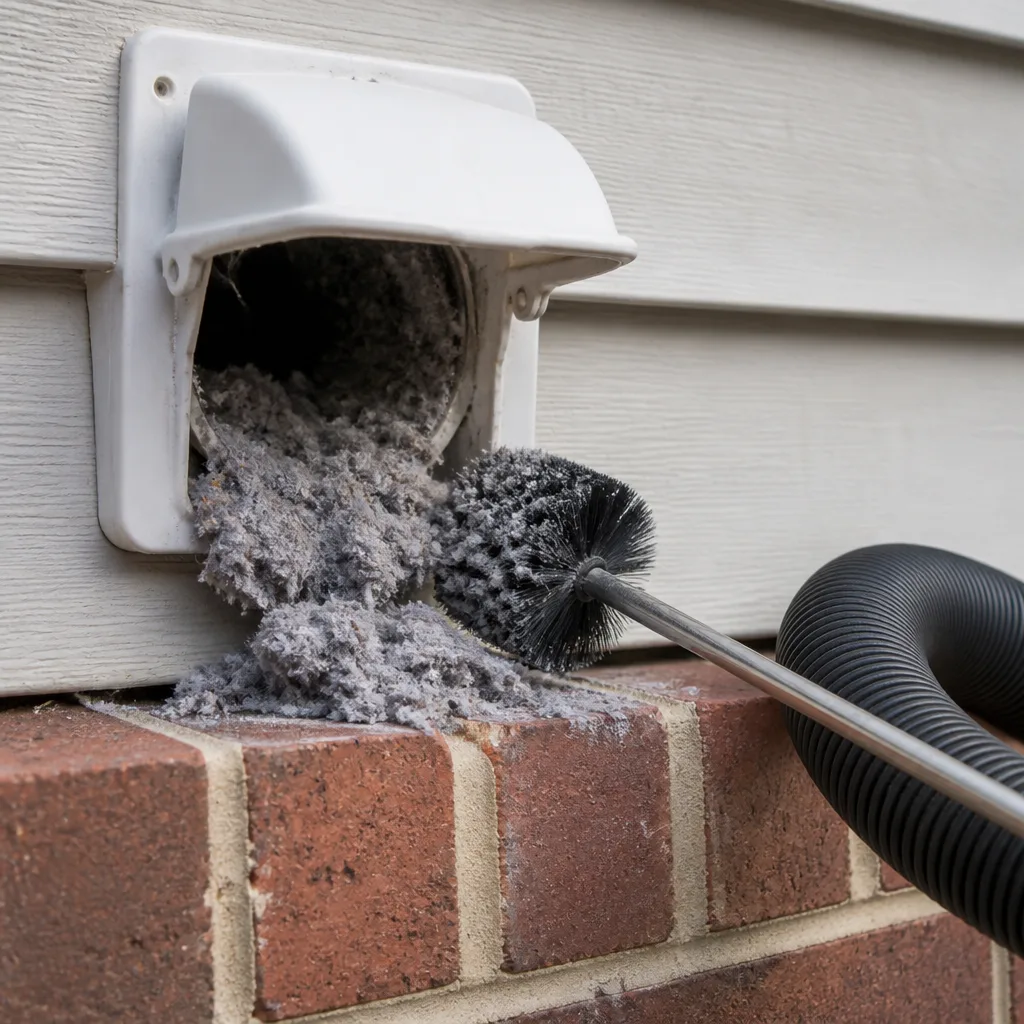 Dryer vent cleaning
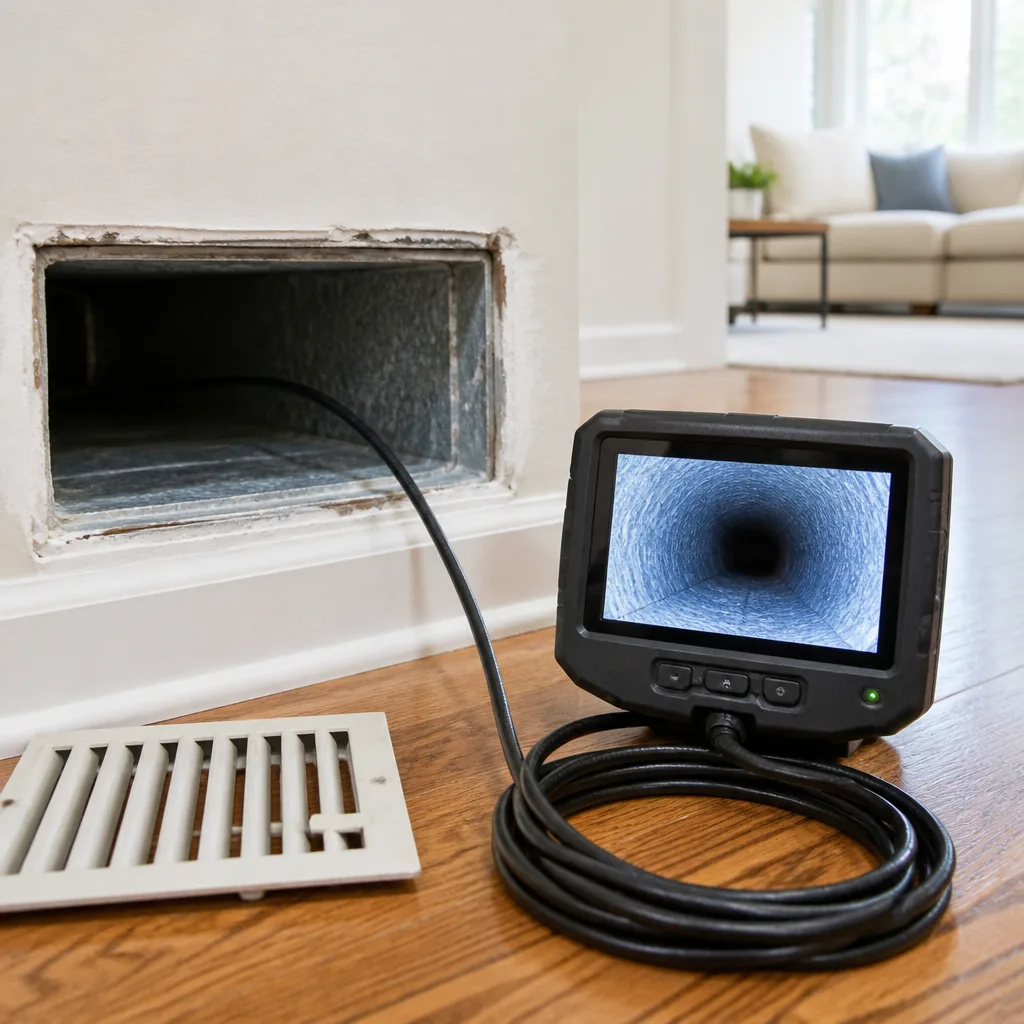 Camera inspection
 Sanitizing & deodorizing
Whole-system duct and dryer vent check with before-and-after photos - you see exactly what came out of your vents
That "$99 whole-house special" is a bait ad - the real number appears once they are in your hallway, or the "clean" is a shop-vac at the register. We photograph the inside of your ducts before and after instead.
Air Duct Cleaning Maintenance Checklist for Castle Rock Homeowners
Most duct maintenance checklists tell you to change your filter every 90 days. That advice was written for a generic house in a generic climate, and it doesn’t hold up here. Castle Rock sits at elevation with a real wildfire smoke season, a heavy spring pollen load, and a winter that runs a furnace hard for months. A standard filter can load up far faster than the calendar suggests, and a checklist that only counts days will miss it. What follows is a working log: a month-by-month schedule and a set of trackable checks you can actually run at your vents and your furnace. By the end you’ll know how to read your own system instead of guessing.
Quick Answer
A maintenance checklist for air ducts in Castle Rock should combine a seasonal task calendar (spring pollen, summer smoke, fall dry air, winter furnace startup) with a simple log of filter condition, odors, and airflow at each register. Check filters monthly during smoke and pollen season rather than on a fixed 90-day cycle. Run the two vent-level visual checks and the tissue leakage test described below every few months. Call a professional when the log shows patterns, not just a single dirty filter: recurring dust, new odors, uneven airflow, or visible leak paths at seams and joints. Cleaning, air duct cleaning and repair together address the whole air pathway.
Styles & brands we work with
- Whole-home duct cleaning
- Dryer vent cleaning
- Camera inspection
- Sanitizing & deodorizing
Table of Contents
- Why a Castle Rock Duct Checklist Should Be a Log, Not a Calendar
- The Month-by-Month Task Schedule for Castle Rock
- What to Log: Filter, Odor, and Airflow as Data Points
- The Two Visual Checks at the Register and Return Grille
- How to Test for Duct Leakage at Home Before You Call Anyone
- Maintenance Intervals That Change With Your Household
- When Your Log Says It’s Time for a Professional
- Why Duct Repair and Sealing Belong in Maintenance
Why a Castle Rock Duct Checklist Should Be a Log, Not a Calendar
A calendar tells you what day it is. A log tells you what your system is doing. Those are different things, and in Castle Rock the difference matters more than in most places.
Here’s the problem with a fixed interval. The standard advice says change the filter every three months. But Castle Rock has two seasonal triggers that break that schedule. First, high-pollen spring months push fine particles into the return before the air ever reaches your furnace. Second, wildfire smoke seasons bring in particulate that loads a filter in weeks, not months. A homeowner following a 90-day calendar can run a filter well past loaded without ever noticing, because the filter still looks flat until you hold it up to the light.
So the goal of this guide isn’t to give you a chore list. It’s to teach you how to keep a lightweight maintenance log for your air pathway: what date you checked, what the filter looked like, whether any room smelled different, whether airflow at a specific register felt weaker than last time. Three columns in a notes app. Logged over a season, those entries turn into early-warning intelligence. You stop asking “is it probably time to clean the ducts?” and start seeing an actual trend.
We’ve walked through this with a lot of Castle Rock homeowners, and the pattern is consistent. The ones who keep even a rough log tend to catch a duct problem while it’s still a small fix, such as a separated joint or a gap at the boot. The ones who wait tend to notice only when the whole system has been pulling contaminated air for a while. At Castle Rock Air Duct Cleaning Pros we build our inspections around the same idea: find the leak, then seal it, before cleaning is even the headline.
Castle Rock sits in the high country along the Front Range where the swing between a warm day and a cold furnace night is real. That elevation and temperature swing means your HVAC unit works across a wide range, and a system that’s moving air unevenly shows it faster here than in a mild climate. Keep that in the back of your mind as you read the schedule below: the tasks are tuned to this place, not to a generic climate band.
The Month-by-Month Task Schedule for Castle Rock
This is the core of the checklist. It’s organized by season because Castle Rock’s air quality challenges arrive on a schedule. The tasks are simple; the discipline is doing them at the right time.
Spring (March to May): Pollen Load Season
- Check the filter every 3 to 4 weeks. Pollen is fine and packs a filter quickly. Replace when it’s visibly grey or when airflow drops, not on a fixed date.
- Log airflow at two registers, one on each floor or in the rooms you use most, so you have a spring baseline to compare against later.
- Look at the return grille after a windy stretch. A visible grey film on the grille face means particles are landing there, and some of that dust is also settling deeper in the return run.
- Note any spring allergy flare-ups by room. If one room is worse than others, that’s a clue about duct pressure or a leak nearby, not just the season.
Summer (June to August): Wildfire Smoke Season
- Shift to weekly filter checks during active smoke events. A loaded filter can’t remove what it’s already packed with, and running one is harder on the blower.
- Keep windows closed on smoke days and note whether indoor air still smells smoky. If it does, the system is drawing from somewhere it shouldn’t, or pulling through a contaminated return.
- Log any musty or acrid odor and which room it shows up in. Odor is one of the earliest signals that cleaning is approaching.
- This is a good window to schedule HVAC cleaning if your log shows buildup at the unit, since the cooling side runs its hardest in summer.
Fall (September to November): Dry Air and Furnace Startup
- Do a full pre-winter check before you switch to heat. Castle Rock’s fall air dries out, and dry air plus a first furnace run tends to push settled dust into the living space as a burst of musty smell.
- Inspect the return grille and register faces for the first time since spring and compare against your spring notes.
- Run the leakage test (below) at several joints while the system runs, so you know what’s loose before heating season.
- Decide on cleaning if your log shows rising dust or a smell that clears then returns.
Winter (December to February): Furnace Runs Hard
- Check the filter monthly. A furnace running long cycles moves a lot of air, and any dust in the system gets cycled repeatedly.
- Watch for uneven heating between rooms. If one room stays cold, log it. Uneven airflow often traces to a duct issue rather than the furnace itself.
- Note musty smells at startup each time the heat kicks on. A recurring startup odor is a classic sign of dust and buildup in the air pathway.
- Keep the log going even when you’re not cleaning. Winter entries are your baseline for next spring’s comparison.
What to Log: Filter, Odor, and Airflow as Data Points
The difference between a one-off observation and a useful log entry is that a log entry gets a date and a location. “The house smells musty sometimes” is a feeling. “Musty smell at the upstairs hall register on three mornings this week” is data you can act on. Keep entries short and consistent.
Filter condition
Don’t just note “dirty.” Note the shade and where the loading is heaviest. A filter that’s grey at the center and clean at the edges tells a different story than one that’s evenly loaded. Hold it up to a bright window: if you can’t see light through the middle, it’s done regardless of date.
Odor changes
Odors are the most underused signal in duct maintenance. Log the type (musty, dusty, acrid, smoky) and the location. A smell that appears only when the system starts, then fades, points to buildup in the air handler and ducts. A smell that’s steady in one room points to a local source or a leak drawing air from a crawlspace or attic. Our air quality and sanitizing work is built to address biological contaminants and odors at the source, which is why we log odors before we clean.
Airflow asymmetries
This is the one most homeowners skip and the one that pays off most. Pick two registers, one strong and one you suspect is weak, and just feel the flow with your hand (or hold a tissue near the grille). Do it at the same time each check. Over a few months, a register that used to feel strong and now doesn’t is a real trend. Log it as “upstairs bedroom register, weaker than last check.” That single line can later tell a technician where to look for a disconnected or crushed run.
We use commercial-grade Rotobrush and Nikro equipment on the cleaning side, but the diagnosis still starts with what your log shows. A pro-grade machine cleans the system; the log tells us how the system got there.
The Two Visual Checks at the Register and Return Grille
You can do these two checks yourself in under ten minutes and they’ll tell you whether professional cleaning is approaching. Both are visual only. Don’t reach into the duct or remove anything beyond a grille cover.
Check 1: The supply register face
- Remove the grille cover on one supply register (a screwdriver is usually all you need) or shine a light through the grille slots.
- Look at the inner lip where the grille meets the boot. A thin grey film is normal. A thick, fuzzy edge or dark streaking means dust is being pulled past that point.
- Wipe a clean white cloth just inside the opening. Light grey is expected. Dark residue, or anything that smears brown, is worth logging.
Check 2: The return grille
- The return is where air goes back in, so it loads faster than supply vents. Look at the filter behind it (if there is one) and the grille face.
- A visible grey film on the grille bars is normal between cleanings. Heavy matting, or dust hanging like fuzz at the edges, means the return is moving a lot of particulate.
- Sniff near the return while the system runs. A musty smell concentrated at the return points to buildup in the return run or the air handler.
Write down what you see, with the date. If two checks in a row show heavy loading at multiple registers, your log is telling you it’s time to talk to a pro. That’s when the difference between a surface vacuum and real cleaning shows up, because buildup lives past the grille, not on it. Our full-pathway approach handles the HVAC unit, the duct runs, and the vents as one system rather than cleaning what you can see and calling it done.
How to Test for Duct Leakage at Home Before You Call Anyone
Duct leakage is quiet. A gap at a joint or a slipped connection doesn’t announce itself, but it pulls unconditioned, contaminated air into your supply and pushes your heated or cooled air into the attic, wall cavity, or crawlspace. You can find the obvious leaks with a tissue and a stick of incense before you spend a dime.
- Turn the system on so air is moving.
- Hold a tissue near accessible duct joints, seams, and where ducts connect to the air handler. If the tissue flutters or gets pulled toward a seam, air is moving through that gap.
- Move to your supply and return boots (where the duct meets the floor or wall behind the grille). Run your hand around the edge. A cold or warm draft at the seam is a sign of a leak.
- Use incense for the subtle ones. Light it and hold it near a joint. If the smoke wavers or gets drawn in rather than rising straight up, air is leaking in or out there.
- Log every leak you find, with location and which check caught it.
What you can’t easily find at home is the leakage behind finished walls, in a crawlspace, or at buried flex-duct connections. That’s the invisible majority, and in Castle Rock’s dry, dusty climate a leak in a dusty cavity is pulling contaminated air straight into your living space. Duct repair and sealing is a core service for us, not an add-on, because cleaning a leaky system just means it gets dirty again. We find the leak, then seal it, then clean. That order matters.
Maintenance Intervals That Change With Your Household
The general advice for duct cleaning is somewhere in the range of every few years, more often if conditions warrant. There’s no universal number, and anyone who gives you one without asking about your household is guessing. Here’s how the variables shift your interval. Use this as a starting point and let your log adjust it.
- Pets: Fur and dander load a system faster. More than one shedding pet, and you should check filters more often and lean toward cleaning on the earlier end.
- Recent renovation: Drywall dust, sawdust, and construction debris are brutal on ducts. If you’ve had work done, plan a cleaning and don’t rely on the filter to catch it all.
- Allergy sufferers in the home: If someone in the house has seasonal or year-round allergies, tighter intervals make sense, and a filtration upgrade may be worth discussing. We’re certified to work with Honeywell and Aprilaire air-quality products, which lets us address filtration as part of the system rather than just cleaning.
- Number of occupants: More people means more activity, more dust, and more dander. A busy household moves more air and more particulate.
- Wildfire smoke exposure: A heavy smoke season can be its own trigger. If your log shows a sharp jump in filter loading or a lingering smoke smell indoors after the season passes, treat that as a signal.
- Dryer: Separate from the air ducts, but part of your maintenance calendar. Lint buildup is a fire risk, and dryer vent cleaning belongs on the same seasonal checklist.
The point isn’t to clean on a fixed schedule. It’s to let your log tell you your household’s real interval. A log that shows cleaning every 18 months is more useful than a generic recommendation that says every few years and moves on.
When Your Log Says It’s Time for a Professional
A single dirty filter or one musty morning isn’t a reason to call anyone. A pattern is. Here’s what your log should look like before you pick up the phone.
- Heavy loading at two or more registers across two consecutive checks.
- A recurring odor that you’ve logged at least three times in the same location, especially if it appears at system startup.
- Airflow asymmetry that grew over a season at a register that used to feel normal.
- Leaks you found and logged at joints or boots, especially if the tissue or incense test caught more than one.
- A jump in symptoms by room, or a renovation or smoke season that your log shows hasn’t settled.
When that’s what your notes look like, get an estimate. Castle Rock Air Duct Cleaning Pros offers free estimates in Castle Rock. Call (877) 492-1837. We answer 24/7. Fast dispatch from 7am to 7pm, Sunday through Friday. Our technicians have up to 10 years of experience, and we approach the whole air pathway, from the HVAC unit to each vent, as one system rather than a single-service visit.
Why Duct Repair and Sealing Belong in Maintenance
A cleaning checklist that stops at “vacuum the ducts” is half a checklist. If your ducts leak, cleaning them is a temporary fix, because the next month of normal operation pulls new contaminated air straight back in. That’s why we treat sealing as maintenance, not an upsell. Sealing closes the entry point; cleaning and sanitizing handle what’s already inside.
Our sanitizing work follows a Guardsman-level protection standard, addressing contaminants on the surface rather than wiping and moving on. That finish-quality mindset is what separates a full-system maintenance approach from a surface service. Where the air pathway is genuinely contaminated, or where biological contaminants and odors are the issue, sanitizing addresses the source instead of masking it with a scent.
We use Rotobrush and Nikro systems, the commercial-grade equipment professional HVAC contractors rely on, and we work with Honeywell, Aprilaire, and Abatement Technologies products. That range lets us upgrade filtration and abatement where it makes sense for your household. One call covers cleaning, repair, and air quality, and a single provider handles the whole air delivery network from HVAC unit to vent. That consistency matters when the point of maintenance is to track changes over time.
See the difference
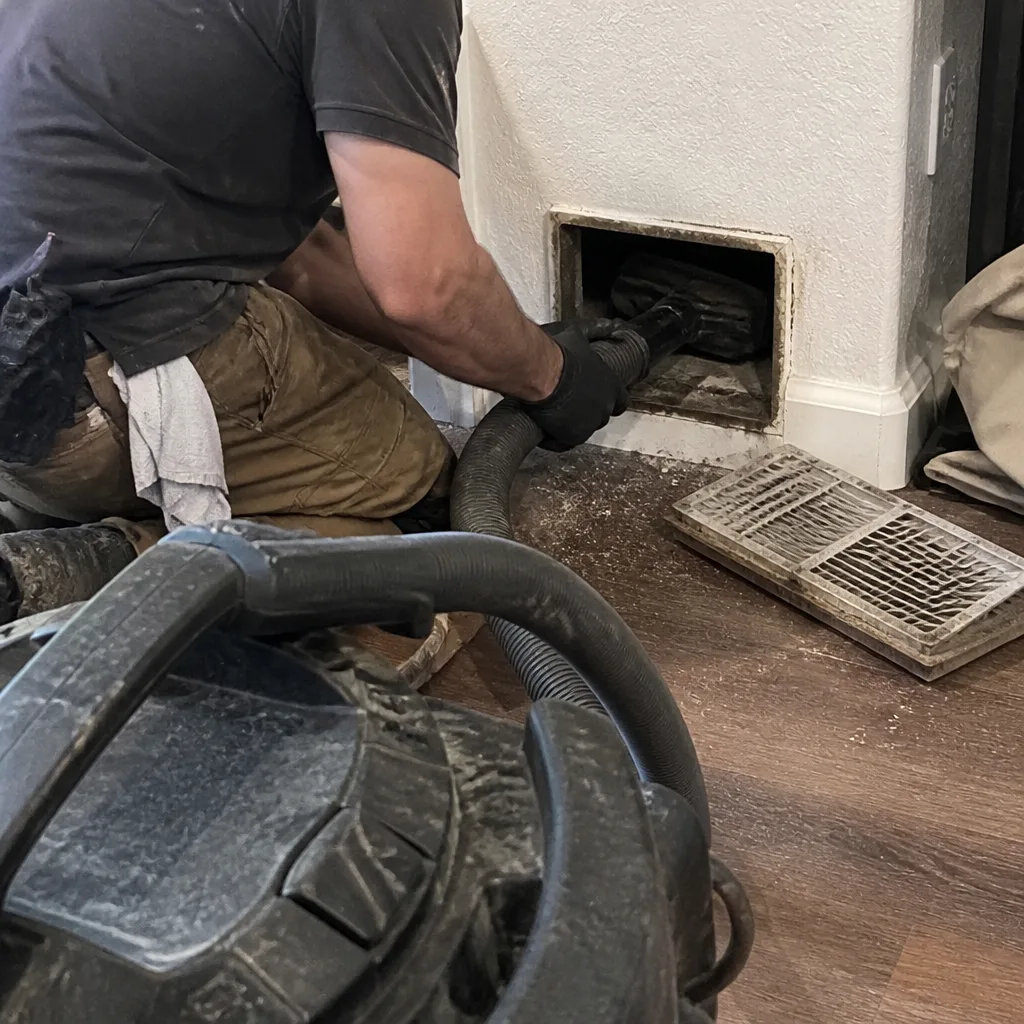 Before
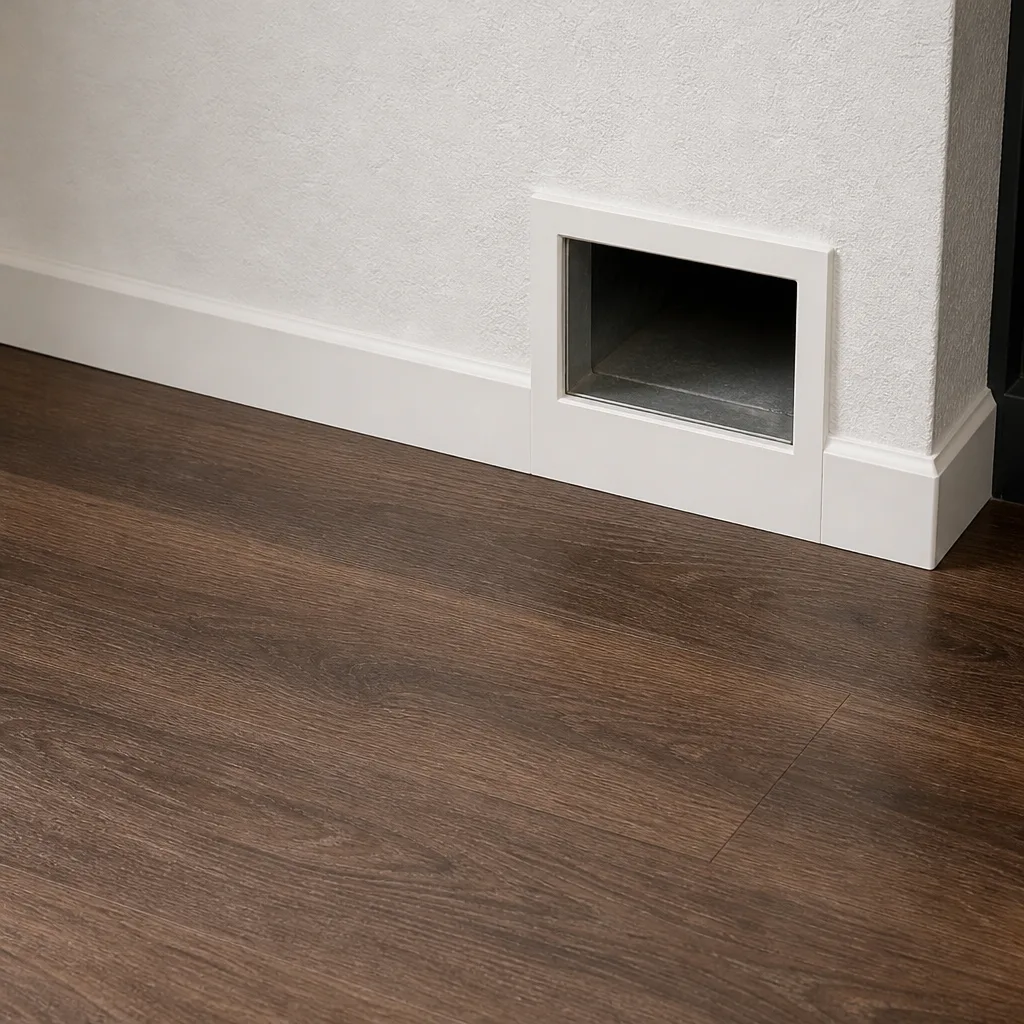 After
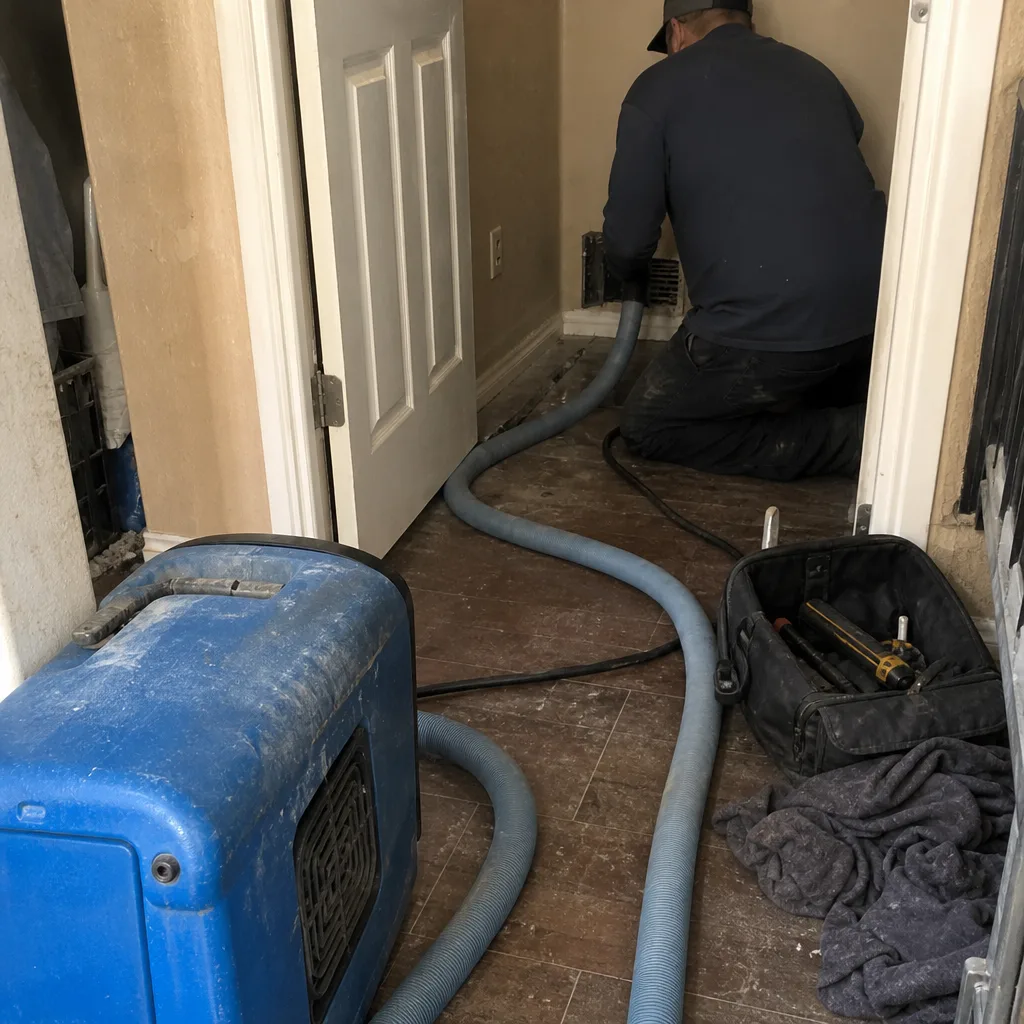 Before
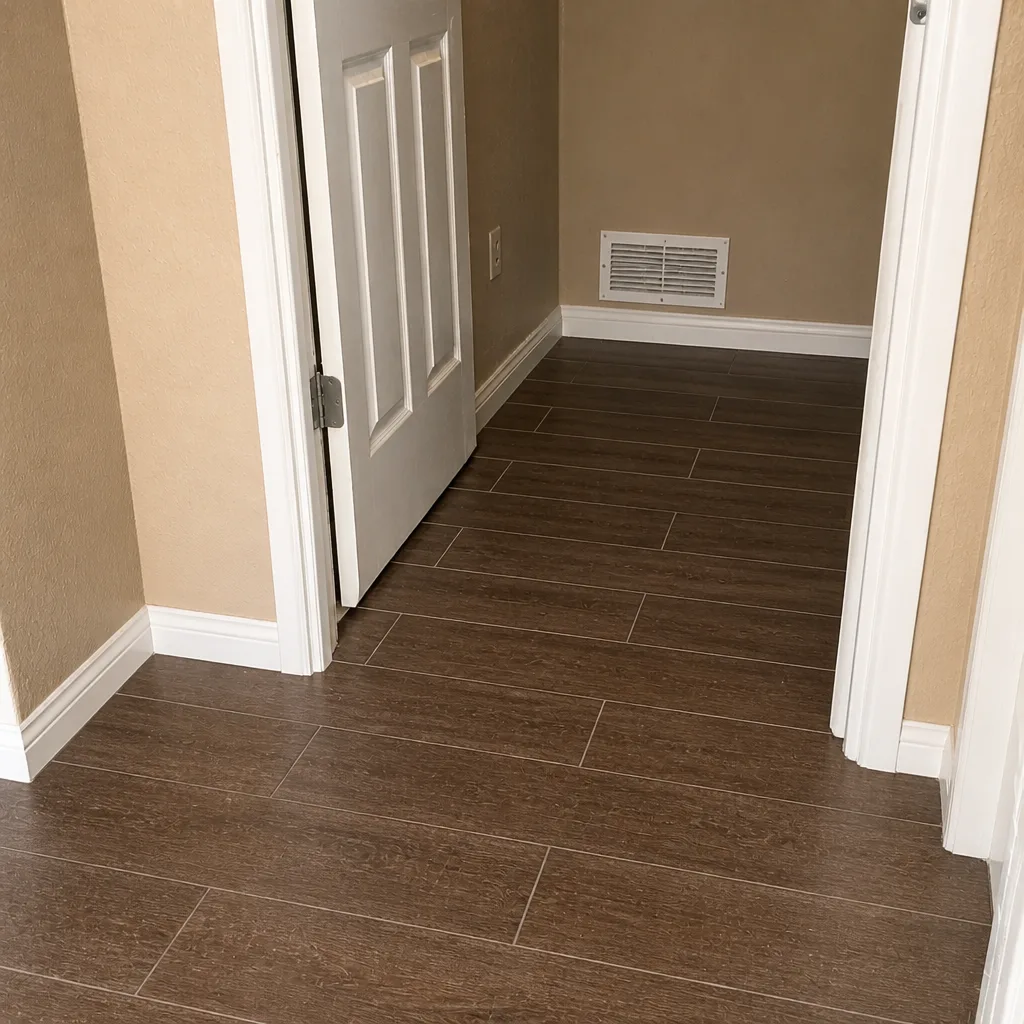 After
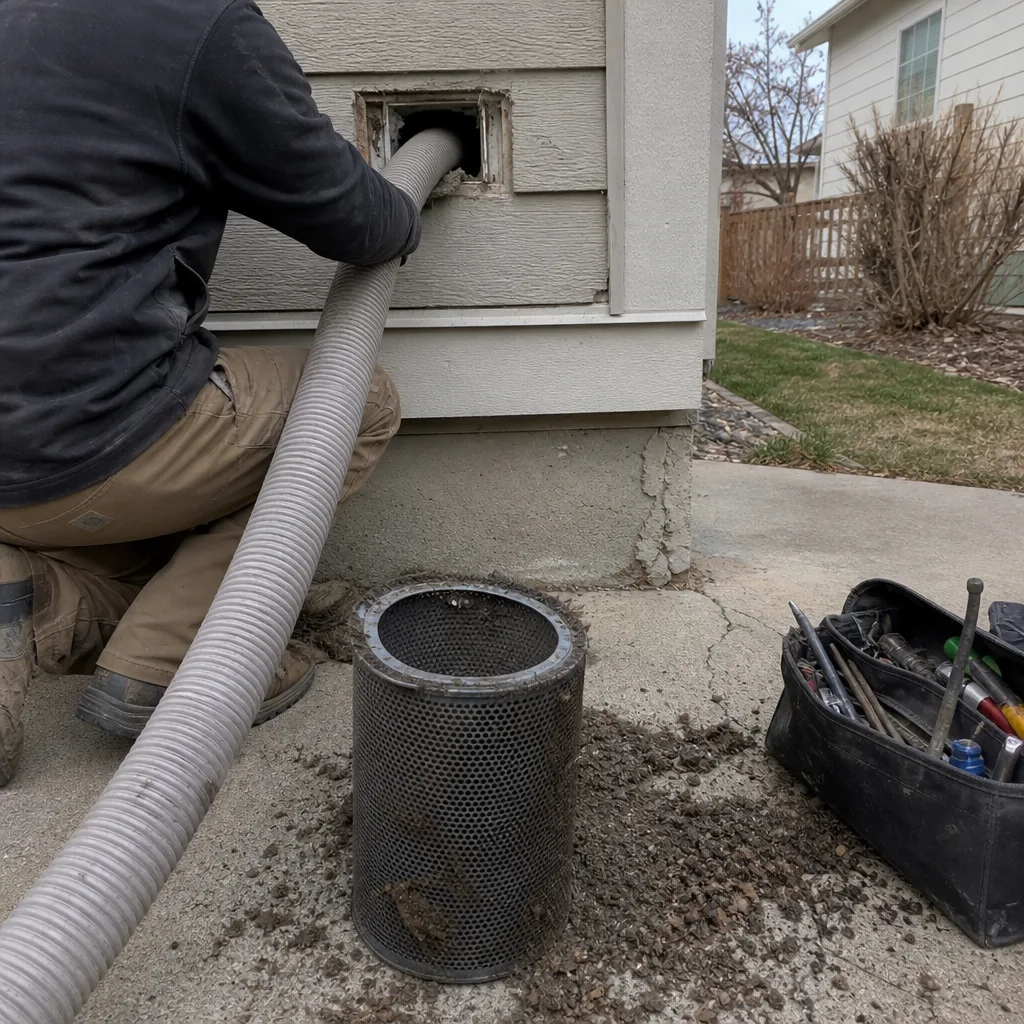 Before
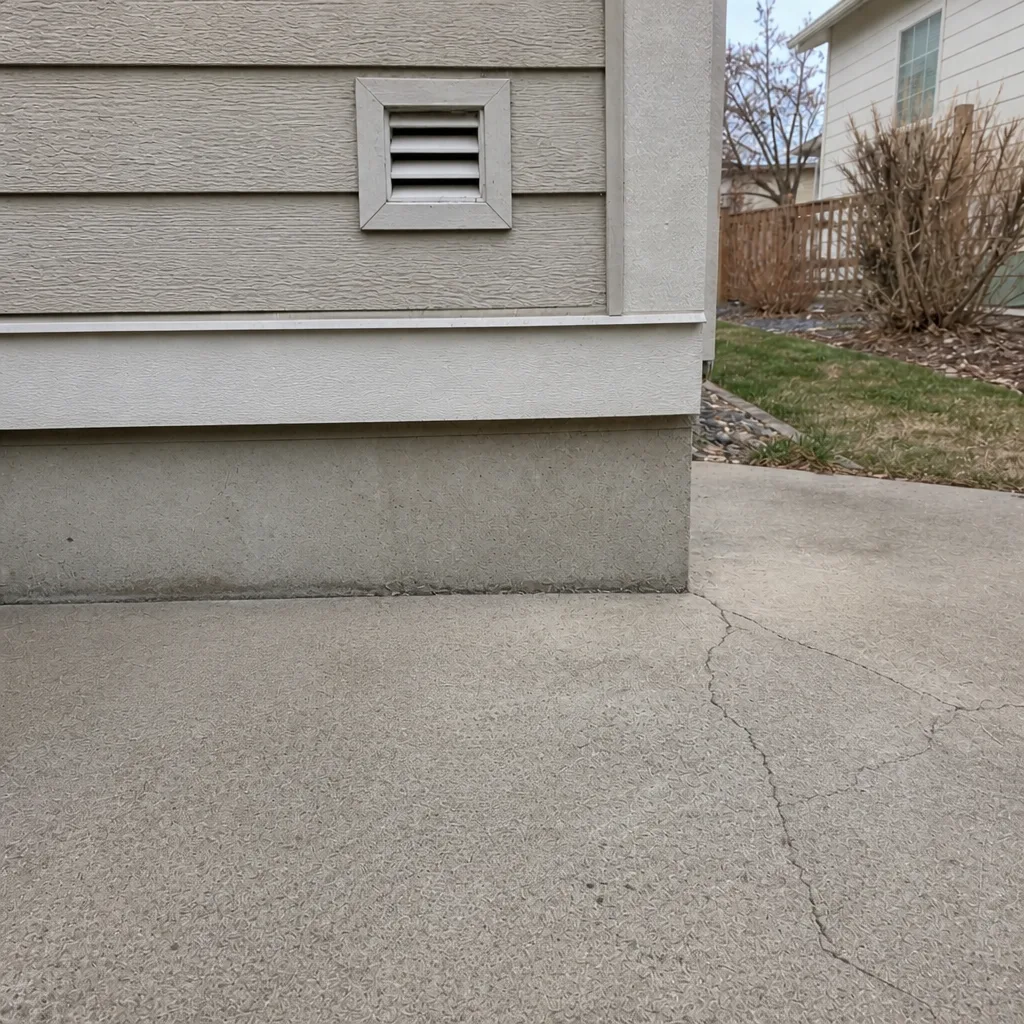 After
Common Mistakes to Avoid
- Following a 90-day filter calendar in a smoke or pollen season. Castle Rock’s smoke and pollen loads don’t wait for a fixed interval. Check by condition and hold the filter to the light.
- Judging a filter by the date instead of airflow. A filter can look fine on the outside and still be loaded at the center. If airflow at your registers feels weaker, replace it and log the change.
- Cleaning the vents and skipping the system. Surface vacuuming leaves the buildup in the runs and the air handler. You can’t see most of the contamination from the grille.
- Cleaning before sealing. If you clean a leaky system first, the leak pulls dirt back in. Find the leak, seal it, then clean.
- Ignoring the return grille. Homeowners tend to look at supply vents and forget that the return moves the most particulate, so it’s the first place to check.
- Skipping the dryer vent in the same checklist. It’s a separate duct and a real fire risk. Lint accumulates faster than most people expect.
- Treating a one-off musty smell as the end of the story. A smell that comes and goes is a pattern. Log it instead of airing the room and moving on.
Frequently Asked Questions
There’s no single correct interval. Most Castle Rock homes fall somewhere in a multi-year range, and it shifts with pets, allergies, renovations, occupant count, and a heavy wildfire smoke season. Use the log approach in this guide: let consecutive checks and a recurring pattern in your notes tell you when your household’s real interval has arrived. Call (877) 492-1837 for an exact quote, because estimates are free.
The honest answer is that pricing is per job and set by a written estimate after we see the system, because a full-pathway cleaning job varies with the number of runs, the level of buildup, and whether repair or sealing is needed. We don’t start work at one price and finish at another. One flat price per system is agreed before work begins, with before-and-after photos of your own ducts, and no per-vent pricing. Call (877) 492-1837 for a free estimate.
Cheap quotes usually come from surface-level work: a quick pass at the grilles, sometimes with consumer or rental-grade machines, without touching the air handler or the duct runs. That’s not the same job as cleaning the full pathway. A true system cleaning uses commercial-grade equipment and covers the whole network. Ask what’s included before you compare price. Call (877) 492-1837 for a free estimate.
Ask for before-and-after photos of your own ducts. Ours come with every job, so you’re seeing your system, not a generic stock image. That’s the same reason we recommend a maintenance log: proof you can see beats a claim you have to take on faith. Call (877) 492-1837 and ask what the photos will cover.
Not automatically, but it can be a strong trigger. A heavy smoke season loads your filter fast and can leave a lingering odor or a jump in indoor dust. If your log shows that jump or a persistent smoke smell indoors after the season passes, it’s worth an estimate.
We repair and seal ducts in-house, so you don’t hire anyone separate after the cleaning. We find the leak, then seal it, and then clean and sanitize so the system stays clean after the work. Call (877) 492-1837 for an estimate.
The Bottom Line
Air duct maintenance in Castle Rock works better as a log than a checklist. The seasonal schedule tuning, the three-column notes on filter, odor, and airflow, and the two visual checks plus the leakage test give you something a generic calendar can’t: early warning on your own system. When your log shows a pattern instead of a single event, that’s when professional cleaning, sealing, and sanitizing earn their place. Real cleaning covers the whole air pathway, from HVAC unit to each vent, and sealing closes the door on the next problem. Start logging now. It takes five minutes a month, and it will tell you more than any fixed interval ever has.
Ready for an estimate? Castle Rock Air Duct Cleaning Pros offers free estimates in Castle Rock. Call (877) 492-1837. We answer 24/7. Fast dispatch from 7am to 7pm, Sunday through Friday.
Written by the team at Castle Rock Air Duct Cleaning Pros.