
Last updated November 25, 2026
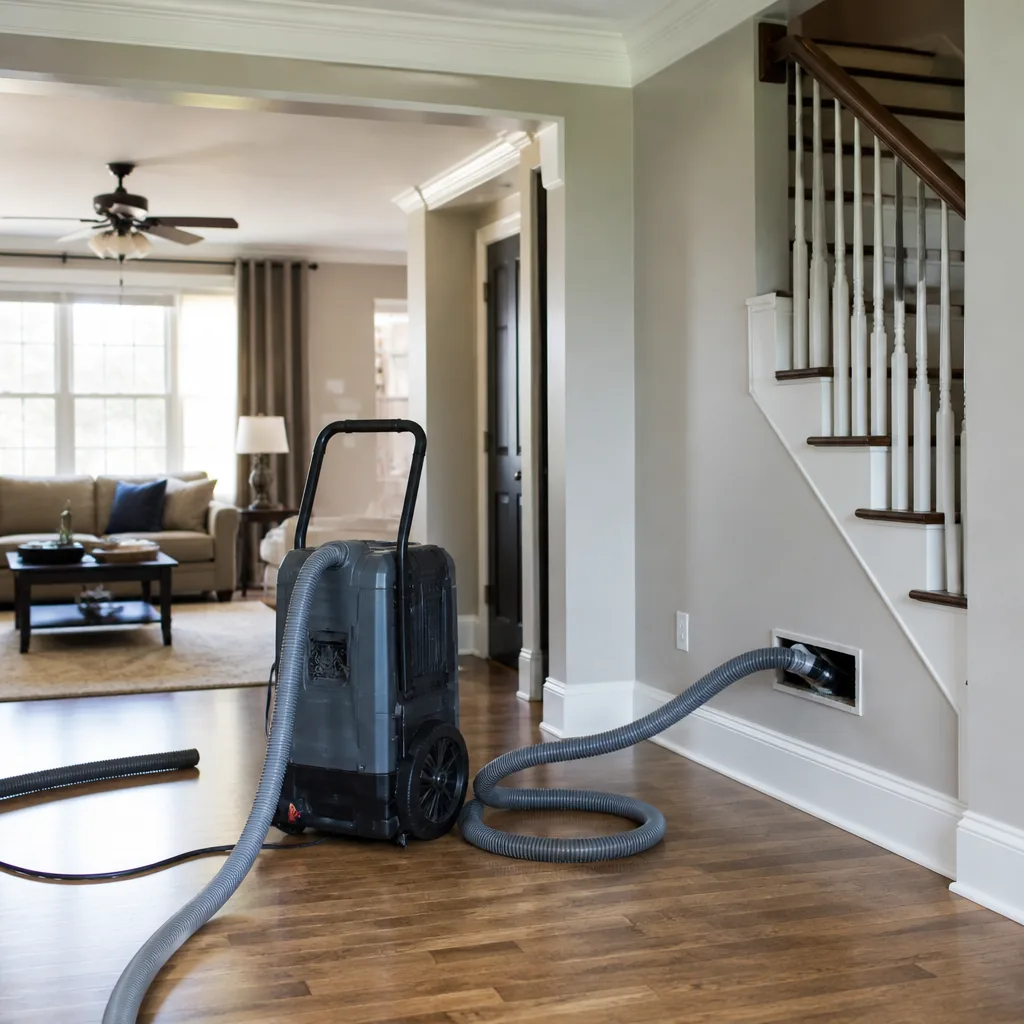 Whole-home duct cleaning
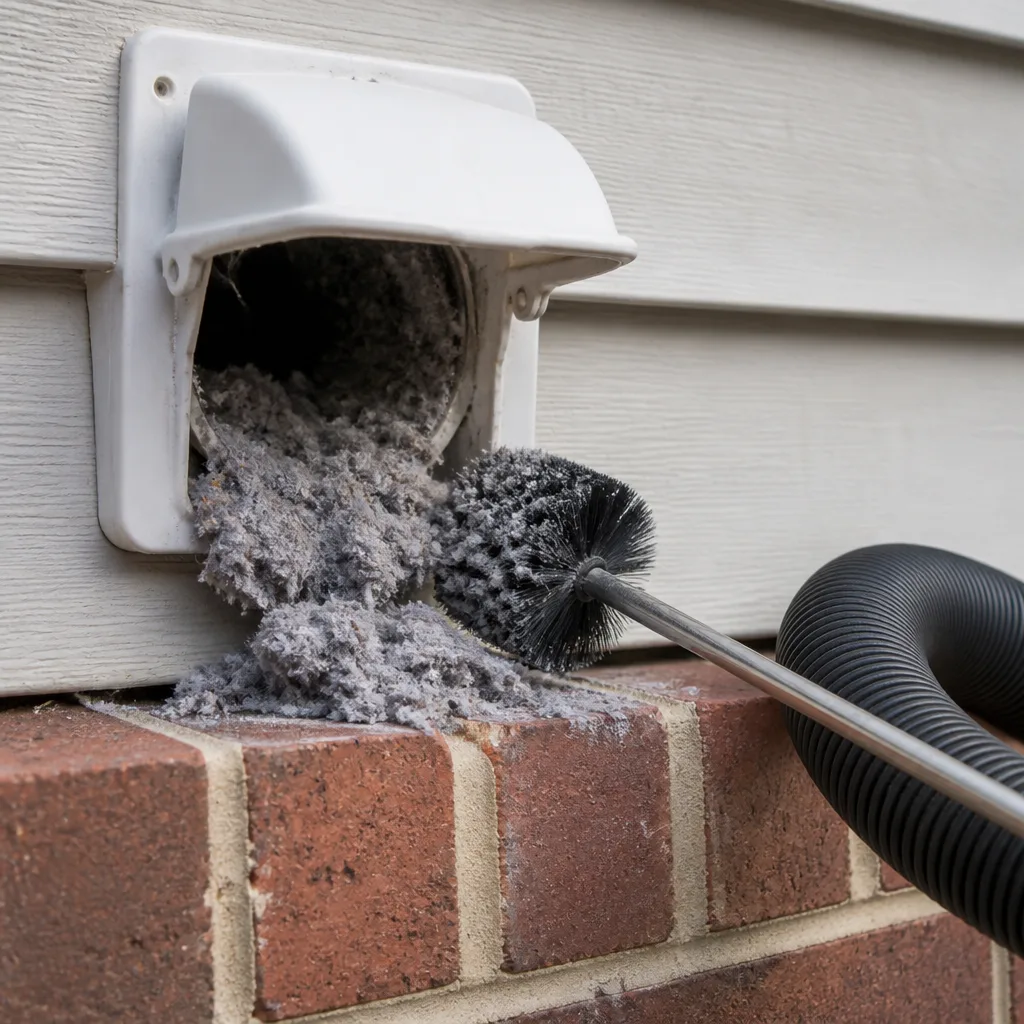 Dryer vent cleaning
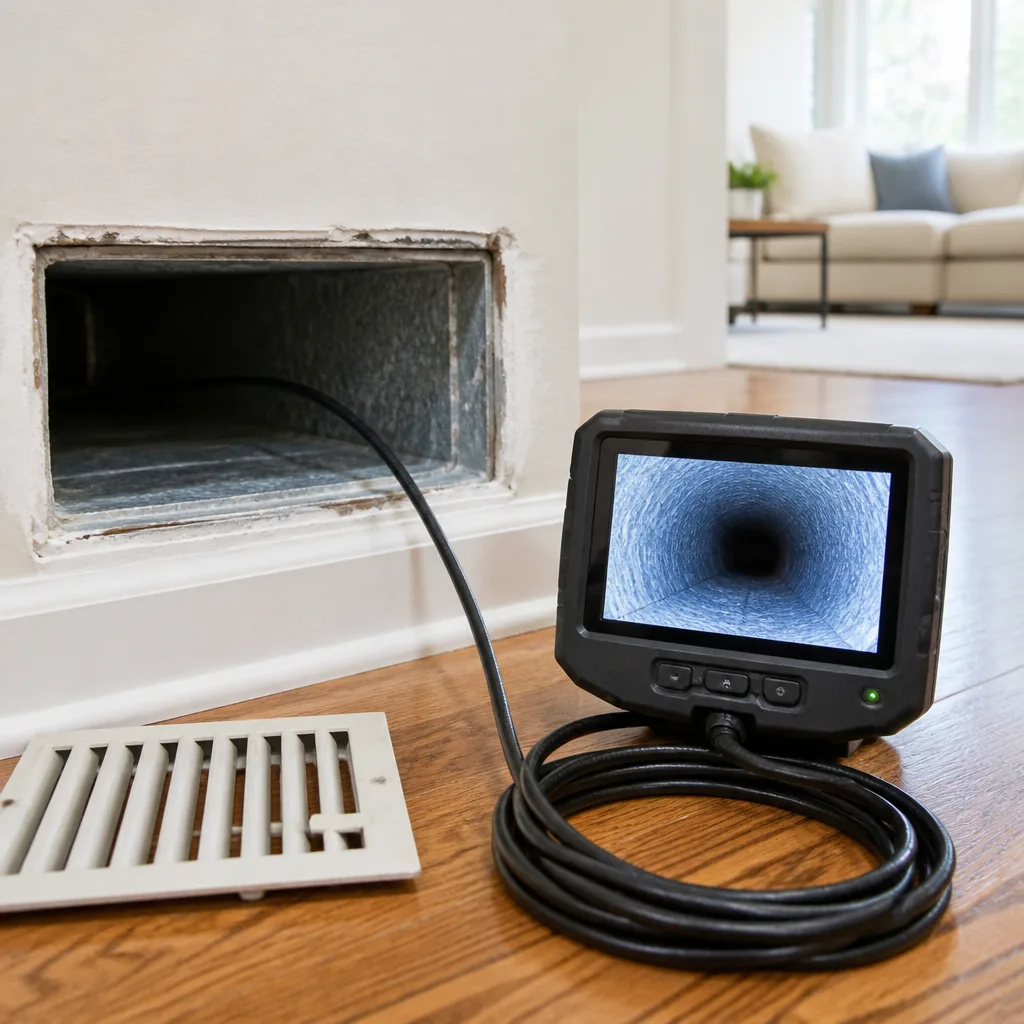 Camera inspection
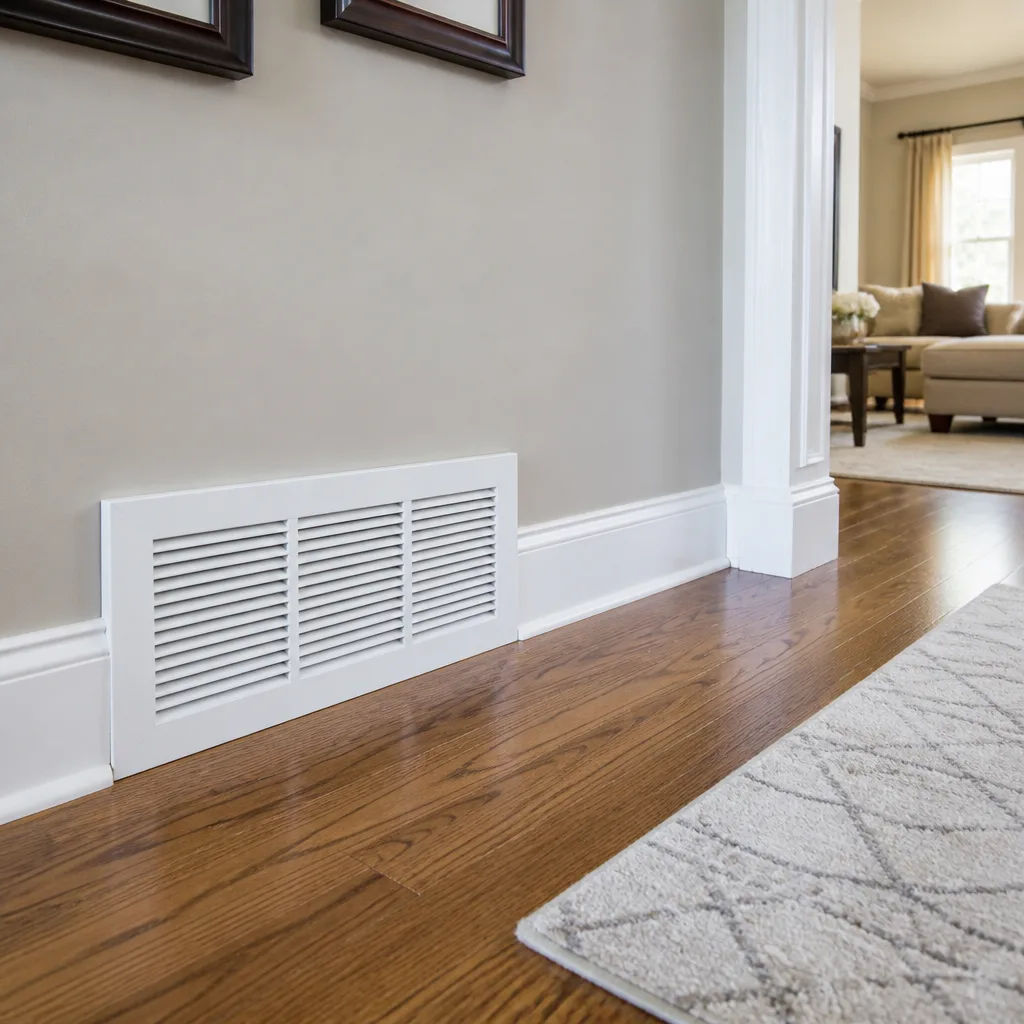 Sanitizing & deodorizing
Whole-system duct and dryer vent check with before-and-after photos - you see exactly what came out of your vents
That "$99 whole-house special" is a bait ad - the real number appears once they are in your hallway, or the "clean" is a shop-vac at the register. We photograph the inside of your ducts before and after instead.
Air Duct Cleaning Maintenance Schedule: What to Do and When
Most homeowners who search for a duct cleaning schedule find the same line repeated across dozens of websites: every three to five years. That figure gets passed around as if it were a rule, but it was never meant to be one. It’s a rough baseline for an average home with no pets, no smokers, and no recent remodeling. Most homes in Castle Rock don’t fit that profile. Between wildfire smoke drifting down the Front Range, the dust that comes with new construction, and the simple fact that many of us share our homes with animals and allergy-prone family members, the honest answer is that your interval depends on your house. This guide replaces the generic number with a framework you can actually use to set a schedule for your air ducts in Castle Rock.
Quick Answer
There’s no single correct interval. A professional cleaning every three to five years is a reasonable starting point for an average home, but that window shortens to roughly every two to three years if you have pets, allergy sufferers, or regular remodeling activity, and it can stretch longer in a low-dust home with good filtration. Instead of relying on a calendar, the practical approach is to set your interval using the variables below, do simple between-cleaning maintenance yourself, and log duct condition over time so the next service is based on evidence rather than guesswork.
Styles & brands we work with
- Whole-home duct cleaning
- Dryer vent cleaning
- Camera inspection
- Sanitizing & deodorizing
Table of Contents
- Why the Generic “Every 3-5 Years” Rule Falls Short
- The Variables That Actually Set Your Interval
- What to Do Between Professional Cleanings
- Seasonal Timing for Castle Rock: The Trigger Points That Matter
- How to Log Duct Condition Over Time
- Maintenance Clean vs. Remediation Clean: Which Do You Need?
- What a Proper Full-System Cleaning Involves
- Common Mistakes to Avoid
Why the Generic “Every 3-5 Years” Rule Falls Short
The EPA’s often-quoted three-to-five-year figure isn’t a prescription for your home. It’s a broad baseline for a hypothetical average household, and it exists mostly to give people a starting point rather than a fixed rule. The moment your home deviates from that average (a shedding dog, a family of allergy sufferers, a basement renovation, a stretch of wildfire smoke), the figure stops being useful.
Think about what actually accumulates in ducts. Dust, pet dander, fabric fibers, pollen, construction debris, and combustion particles all move through the same channels your conditioned air travels. A household that generates one or two of these is in a very different situation from one that generates all of them. Treating both the same way is how people end up either cleaning too often or, more commonly, waiting years past the point where the system needed attention.
In our experience working in Castle Rock, the homes that suffer most are the ones following a fixed calendar regardless of what’s happening inside and around the house. A household with two dogs and a child with asthma is not on the same schedule as an empty-nest home with a high-efficiency filter. Cleaning is cheap compared to the cost of ignored problems, but cleaning too often for no reason isn’t the goal either. The goal is a schedule that reflects reality.
A better mental model: the three-to-five-year figure is a guideline, and your specific conditions adjust it up or down. The next section gives you the variables to make that adjustment.
The Variables That Actually Set Your Interval
Instead of asking how many years it’s been, ask which of these conditions describe your home. Each one pushes your realistic interval shorter. Stack two or three and you’re likely on the shorter end of the range, not the longer one.
Occupants and their sensitivities
If anyone in the home has allergies, asthma, or another respiratory sensitivity, the practical interval drops. This isn’t because the ducts become more contaminated faster, but because the same level of dust matters more to a sensitive occupant. The same logic applies to infants and older adults.
Pets
One cat or dog changes the equation; three changes it more. Pet dander and shedding fur are the two biggest contributors to short-interval cleaning in Castle Rock homes. If your pet sleeps in a bedroom and you sleep in the same room, keep that in mind when you set the schedule.
Smokers or combustion sources
A home with regular indoor smoking, a wood-burning stove, or a gas appliance that’s underperforming will accumulate combustion byproducts in the ducts more quickly. This isn’t about judging anyone; it’s about recognizing that the residue is different and more persistent than ordinary dust.
Remodeling and construction activity
Any time drywall, subfloor, or framing gets disturbed, fine particulate fills the air and works its way into the duct system, which is essentially a long, closed cavity. If you’ve had a renovation in the past year, that alone can justify an early cleaning.
Wildfire smoke events
Colorado’s Front Range has seen enough smoke weeks in recent years that this variable deserves its own line. When smoke sits over Castle Rock for days at a time, the heating and cooling system pulls that air in and pushes it through the ducts. A heavy smoke season is a legitimate trigger for a service.
Your filter and how often you change it
A well-sealed system with a properly sized, regularly changed filter slows accumulation. A leaky return or a filter you keep forgetting to change accelerates it. Filter discipline is the cheapest lever you have, and we cover it below.
Find your triggers in that list, and your interval becomes something you can reason about instead of guess.
What to Do Between Professional Cleanings
Professional cleaning is only part of the picture. What happens between service visits determines how quickly your ducts degrade and whether the next cleaning is on schedule or overdue.
Choose the right filter grade
Filter selection is where most homeowners make their first mistake. A higher MERV rating catches more particles, but if the filter is too restrictive for your system, it can reduce airflow and make the equipment work harder. A typical residential system does well with a mid-range pleated filter (in general terms, the grade the manufacturer recommends), changed on the schedule the manufacturer specifies. Every couple of months is a reasonable default for most homes; more often if you have pets or you’ve been running the system during a smoke event.
Check and clean the registers monthly
Walk through your home once a month and look at every register and return grille. Wipe off dust with a damp cloth. Look for dark streaks around the edges of a register, which can hint at a leak between the duct and the drywall. Look inside with a flashlight; if you see visible dust buildup or debris, note it in your log (more on that below).
- Turn the system off before you look inside a register.
- Wipe the grille face and the visible edges of the duct opening.
- Shine a light inside and note anything unusual: debris, dark staining, a musty smell.
- Check that the register isn’t blocked by furniture, curtains, or rugs.
- Look at the return air filter and note its change date.
- Listen for whistling or rattling, which can indicate a leak or a loose fitting.
Watch for musty or “dirty sock” smells
If the air coming out of a register smells musty or like an old basement, that’s usually a sign of moisture where there shouldn’t be any: a duct that isn’t fully sealed, condensate near the air handler, or contamination that needs more than a surface clean. Don’t wait for the calendar; address it.
Don’t block returns
Return grilles are often the most overlooked part of the system. A return hidden behind a sofa or blocked by a rug will reduce airflow and change how the whole system performs. Keep returns open and unobstructed.
Seasonal Timing for Castle Rock: The Trigger Points That Matter
Spring and fall are convenient times to schedule for most homeowners, but the weather and construction patterns specific to Castle Rock make two other trigger points more important. If you’re only going to clean once, choose your timing around these first.
Post-wildfire-season cleaning
By the time the first cool weeks of September and October arrive, the Front Range has usually been through a smoke season. Wildfire smoke carries fine particulate that travels through every open window and registers in every home’s air, and it settles into the ductwork. If your household is sensitive to air quality, scheduling a cleaning in the early fall (after smoke season winds down, before the heating system starts working hard) sets you up for a cleaner heating season. A cleaning in the fall also means you’re not introducing contaminants into the system right before you start using it the most.
Post-renovation cleaning
Every remodel (kitchens, basements, additions, bathroom updates) disturbs drywall and puts fine dust into the air. This is not optional timing; it’s a hard trigger. Schedule a cleaning after the dust has settled (usually a week or two after final cleanup) rather than during construction. If you’ve just moved into a newly built Castle Rock home, the first cleaning should account for construction debris as well.
Spring check before cooling season
Spring is a fine time for a general check-in. If you find anything unusual during your monthly register walk-through (musty smell, visible debris, a leak), this is the season to address it. Spring is also when the system runs less, which makes for easier scheduling.
When NOT to clean
If you’ve had a professional cleaning within the past year and there are no new triggers (no renovation, no new pets, no smoke event), there’s little value in booking another service just to keep a calendar happy. Save it for when a real trigger appears.
How to Log Duct Condition Over Time
The simplest way to stop guessing when the next cleaning is due is to write it down. You don’t need a fancy app; a notebook or a note on your phone works.
- Start a log now. Create a single note titled “HVAC” and pin it.
- Record the date of your next filter change. Write it down when you change the filter, and set a reminder for the next interval.
- Log every register walk-through. Note the date, what you saw, and any smell or visible debris. Keep it short.
- Note every trigger event. Renovation start and end date, new pet, smoke week, appliance replacement, roof work. These are what actually move your schedule.
- Record professional service visits. Note the date, what service was performed, and any before/after photos you received (we’ll come back to that).
- Review the log once a year. Count your triggers. Two or more new triggers since the last cleaning generally means it’s time.
After a year or two, you’ll have a real picture of how your specific home behaves. Two homes on the same street in Castle Rock can be on completely different schedules, and the log tells you which one you’re in.
Maintenance Clean vs. Remediation Clean: Which Do You Need?
Not every cleaning is the same job. When you call for service, the scope of work should reflect what’s actually going on in the system. If you ask for a “cleaning” and get an identical service quote to your neighbor, that’s a sign the scope wasn’t tailored to your situation.
What a maintenance clean covers
A maintenance cleaning is routine: source removal of accumulated dust and debris from the ducts, registers, and main trunk lines, plus a check of the air handler and blower area. It’s what you schedule when the system is generally in good shape and you’re keeping it that way. Setup, source removal, verification, done.
What a remediation clean covers
- Contamination that needs more than a vacuum pass, including visible mold-like growth, pest debris, or heavy soot
- Air quality issues you can smell or that a resident reacts to
- Duct repair and sealing (finding and fixing leaks in the duct system, not just cleaning the ducts)
- Air quality sanitizing to address biological contaminants and odors at the source, applied to a professional standard
- A follow-up verification step to confirm the fix, not just the clean
If your ducts show any of these signs, ask about remediation rather than a basic clean. Cleaning a contaminated system without addressing the source is a temporary fix at best. Our air duct cleaning service is scoped to the actual condition of the system, which means we advise on which of these two categories you’re in after we’ve seen the ducts, not before.
Why the difference matters
A remediation clean costs more than a maintenance clean, but that’s because it involves more work and more verification. Booking a maintenance clean for a problem that needs remediation means the same issue will be back. Ask any company to explain, in plain terms, why they’re recommending the scope they proposed.
What a Proper Full-System Cleaning Involves
Understanding what a professional cleaning actually looks like helps you tell a real service from a surface one. Here’s what a full-system visit should involve.
- System inspection before any work starts. A technician should look at the air handler, the return side, the supply side, and the visible ductwork before discussing scope. Findings drive the plan.
- Containment and protection. Furniture and floors near the work area need covering, and the work area should be contained so dust doesn’t migrate into the home.
- Source removal with commercial-grade equipment. This is where equipment matters. We use Rotobrush and Nikro systems, which are professional HVAC contractor brands, not consumer-grade or rental vacuums. The difference is in the volume of airflow and the ability to reach deeper into the duct run.
- Full-pathway coverage. A full-system cleaning covers the equipment, the main trunk lines, the branches, and the registers, plus the blower and coil area as appropriate. Cleaning the visible vents without cleaning the system behind them doesn’t accomplish much.
- Duct repair and sealing when leaks are found. Leaks in ductwork reduce efficiency and let dust pull in from unconditioned spaces. Finding and sealing them addresses the root cause of contamination, not just the symptom.
- Air quality and sanitizing work when warranted. Where contamination or odors call for it, treatment from the appropriate product line (Honeywell, Aprilaire, or Abatement Technologies, depending on the system and the goal) is applied to a professional standard.
- Before-and-after photos. You should be able to see what the ducts looked like before the work and what they looked like after. Ask for them if they aren’t offered.
- A plain-language report. What was found, what was cleaned, what was repaired or sealed, and what (if anything) needs follow-up.
If your home also has a clothes dryer, add dryer vent cleaning to the schedule. Lint buildup is a real fire risk, and it’s easy to forget because you don’t see it until it becomes a problem. It’s worth including it with the annual or every-other-year duct service rather than treating it as a separate chore. Similarly, the HVAC cleaning side of the system (the blower, coil, and cabinet) should be checked at each service so you’re not cleaning the ducts and pushing air through a dirty air handler.
Common Mistakes to Avoid
- Following the calendar instead of the conditions. The three-to-five-year figure is a rough starting point, not a prescription. If your house has two dogs, allergy sufferers, and a recent renovation, you’re not on the average schedule. Adjust it to fit the variables you actually have.
- Assuming a cleaning is automatically a repair. Cleaning the ducts without addressing leaks in the system is cleaning the symptom rather than the cause. Ask about duct repair and sealing if any indicator suggests air is pulling in from unconditioned spaces.
- Skipping the register walk-through. A monthly walk-through with a flashlight catches most developing problems early. It’s free and takes ten minutes. Skipping it means the first sign of an issue is usually a smell or a visible failure.
- Choosing the cheapest quote without asking what’s included. “Duct cleaning” can mean a thorough full-system job or a light surface vacuum, and the price differences usually reflect the scope. Ask for the specific scope in writing and confirm whether repair and sealing are included or separate.
- Forgetting the dryer vent. Lint accumulates in a clothes dryer vent faster than most people realize, and it’s a fire risk. Treat it as part of the same maintenance rhythm, not a separate errand you keep postponing.
- Ignoring a musty smell. A musty odor is usually a moisture indicator. If the smell comes back after a clean, the moisture source hasn’t been fixed. Cleaning alone won’t solve it; sealing and repair usually do.
- Cleaning too often. If your ducts were cleaned within the past year and there are no new triggers, there’s little benefit in booking another visit. Spend that money on a filter upgrade instead, or save it for when a real trigger shows up.
See the difference
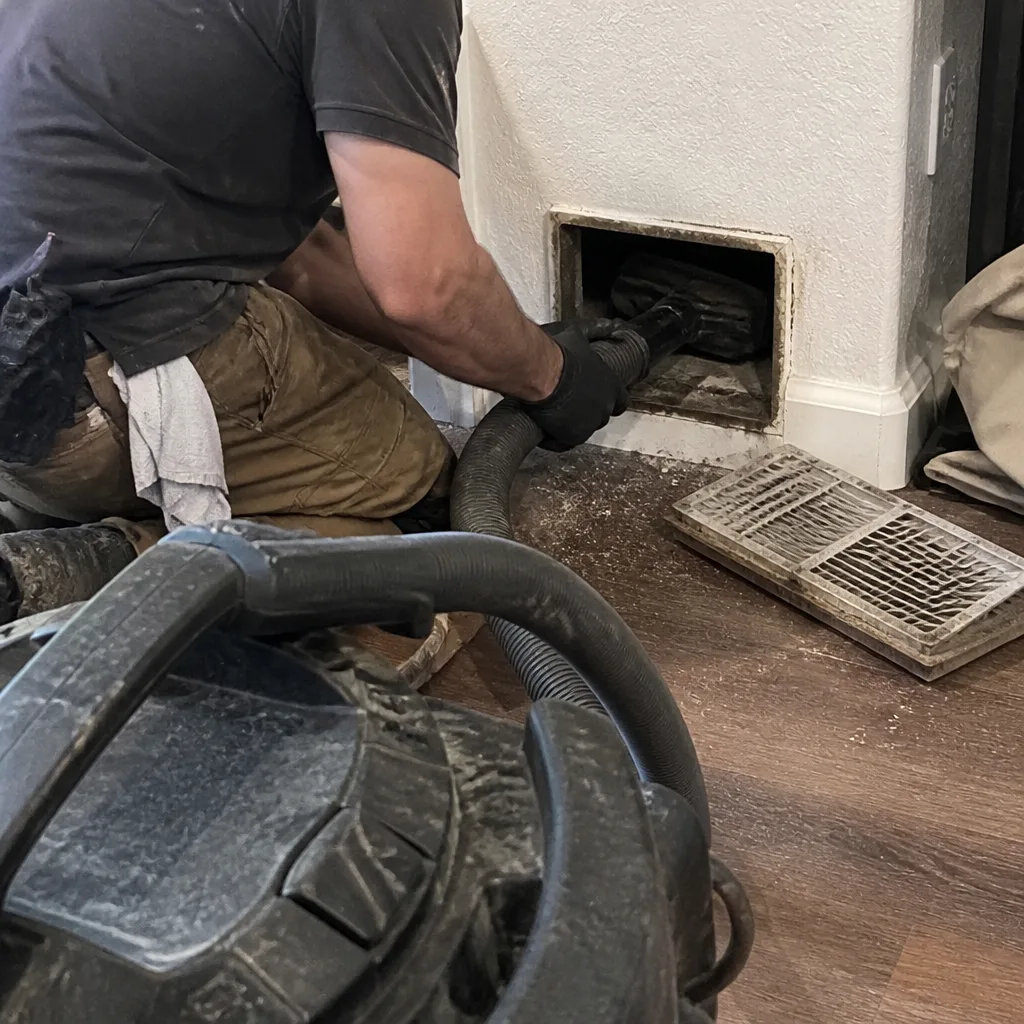 Before
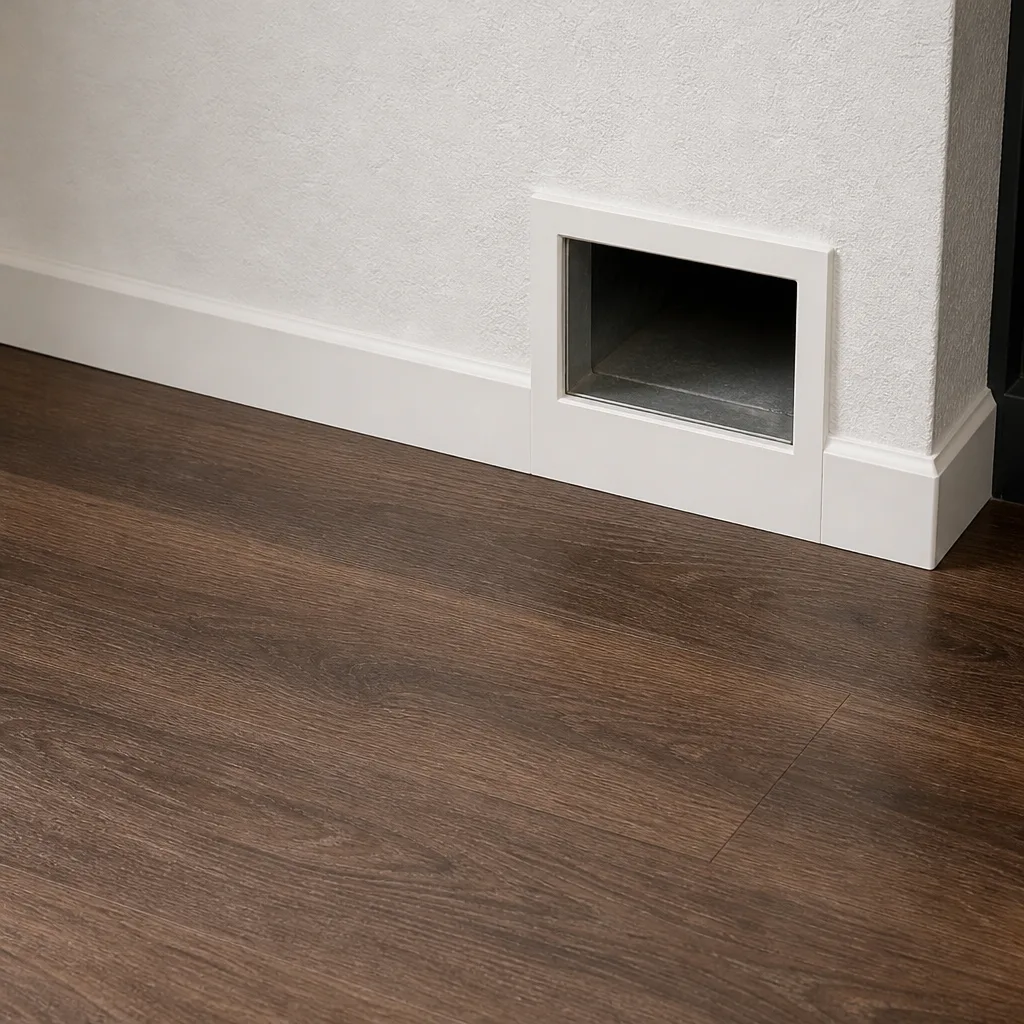 After
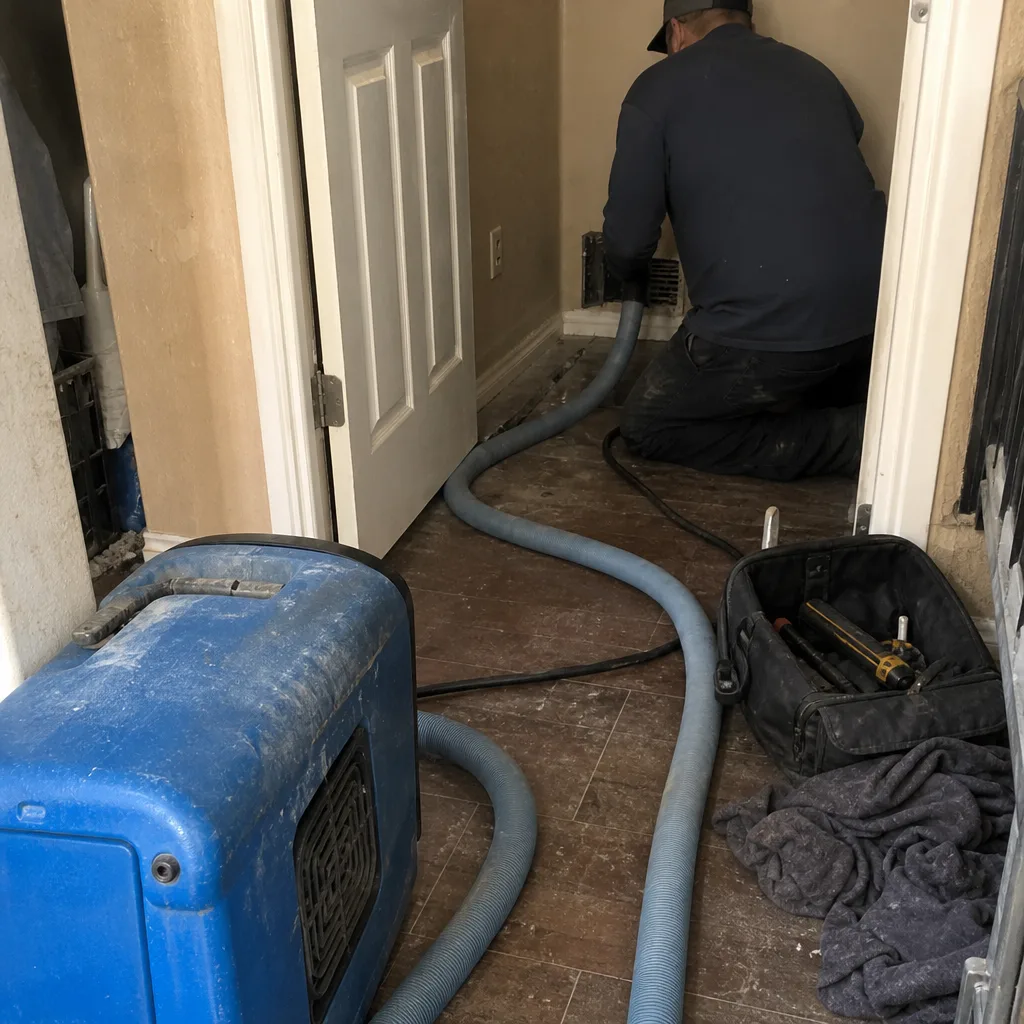 Before
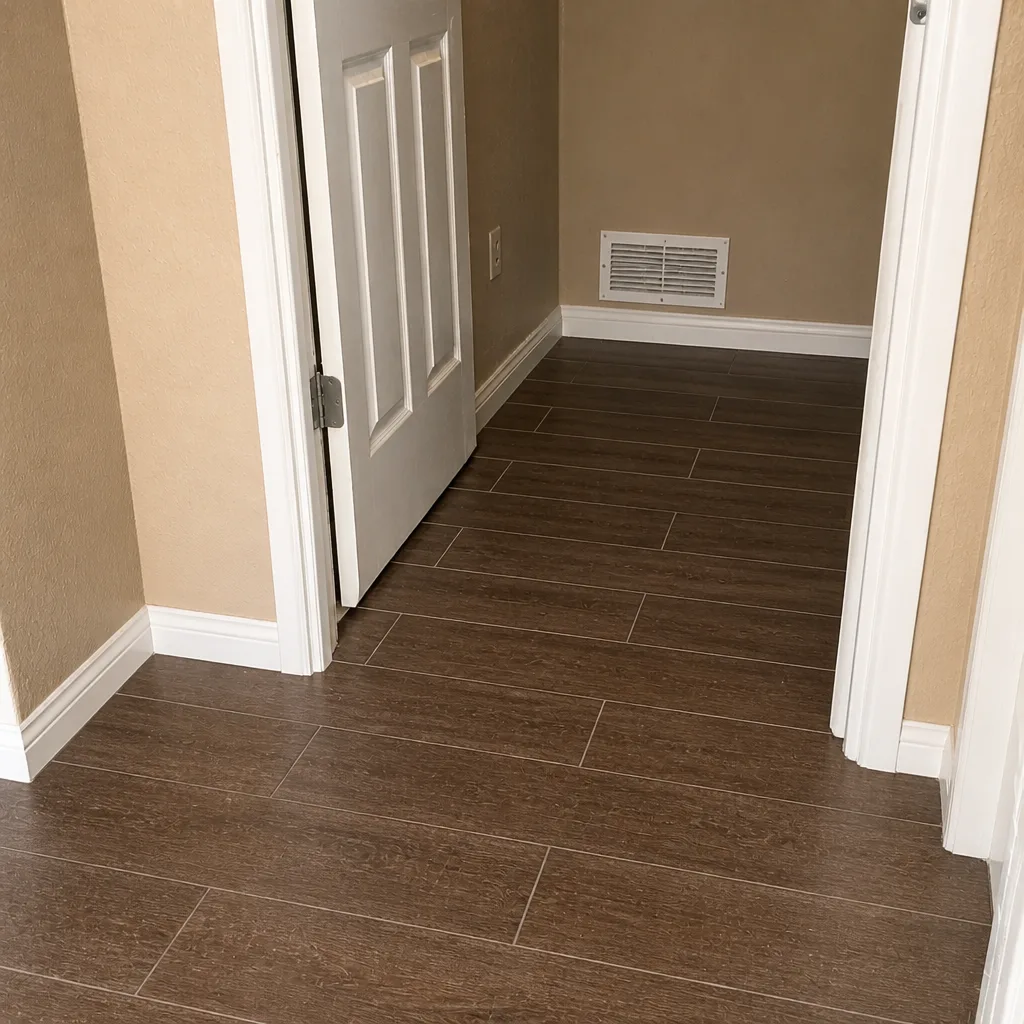 After
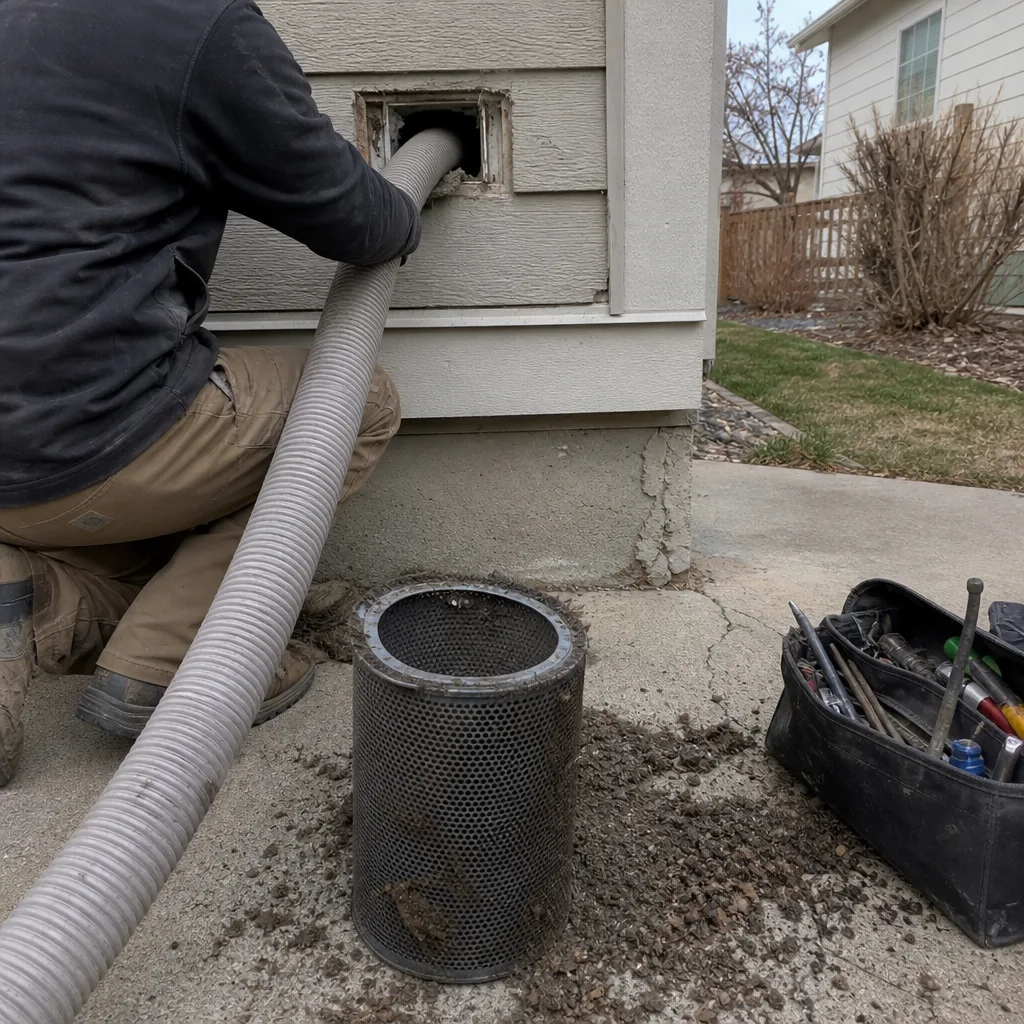 Before
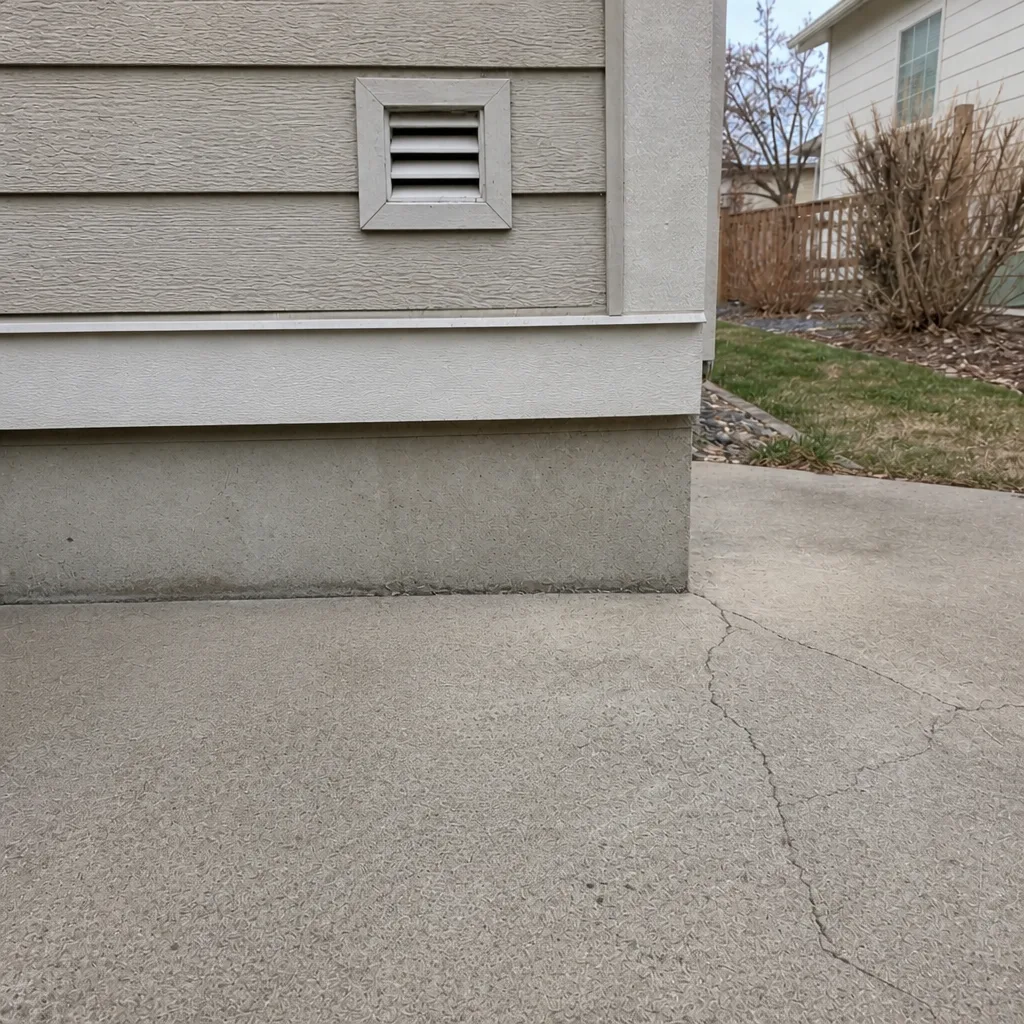 After
When to Call a Professional
Some situations call for a call rather than another DIY check. If you smell something musty coming from a register, if you can see visible debris or dark growth inside a duct, if your system was recently flooded, or if a renovation just finished and left fine dust throughout the house, those are all signs to have the system professionally assessed. Same if you’ve just moved into a home and don’t know the service history, or if your energy bills and airflow patterns have changed without a clear reason. Castle Rock Air Duct Cleaning Pros offers free estimates in Castle Rock; call (877) 492-1837 to schedule an assessment. Our technicians have up to 10 years of experience; they’ll tell you whether you’re looking at a maintenance clean, a remediation, or something in between.
Frequently Asked Questions
There’s no fixed number, but a reasonable starting point is every three to five years for an average home. In Castle Rock, the interval usually shortens to every two to three years if you have pets, allergy sufferers in the household, regular remodeling, or a significant wildfire smoke event. Set your interval based on those variables and adjust it using a service log. Call (877) 492-1837 for an exact quote; estimates are free.
It can be, especially after a renovation, a new-home purchase, or a heavy smoke season, since those events introduce fine particulate that accumulation alone doesn’t account for. If none of those conditions apply and your system has been cleaned recently, there’s often little benefit from routine cleaning. Call (877) 492-1837 and we’ll help you decide honestly.
Usually because the scope is different: a light surface vacuum versus a full-pathway source-removal clean with repair and sealing included. Ask any company what’s specifically covered, whether the air handler is included, and whether before-and-after photos are provided. Call (877) 492-1837 for a scoped estimate; estimates are free.
Ask for before-and-after photos of your own ducts, not stock images, plus a written report of what was cleaned and what was repaired or sealed. Any reputable full-system provider should offer both as standard. Call (877) 492-1837 to discuss what our verification process involves.
Two trigger points matter more than the calendar: after wildfire smoke season (roughly late summer into early fall) and after any renovation. Outside of those, spring (before cooling season) is a convenient time. Call (877) 492-1837 to book around the trigger point that applies to your home.
Yes. A maintenance clean is routine source removal on a system in good shape. A remediation clean addresses contamination, moisture, leaks, or odors, and includes repair and sealing as needed, plus a verification step. Ask for a scoped explanation of which one applies to your home. Call (877) 492-1837 for a free assessment.
The Bottom Line
The right schedule for your ducts in Castle Rock isn’t a fixed number. It’s a moving interval set by the conditions in your specific home: pets, allergies, renovation, smoke seasons, and filtration habits. Start with the three-to-five-year baseline, then adjust. Do the monthly filter and register walk-through, keep a simple log of triggers and service visits, and let the log (not the calendar) tell you when the next service is due. When you’re ready to schedule something, whether a routine maintenance clean or a remediation, call (877) 492-1837 for a free estimate. We answer 24/7. Fast dispatch from 7am to 7pm, Sunday through Friday. Whether you’re reviewing Castle Rock Air Duct Cleaning Pros for a full-system plan or just need one question answered, we’re glad to walk through it with you.
Written by the team at Castle Rock Air Duct Cleaning Pros.